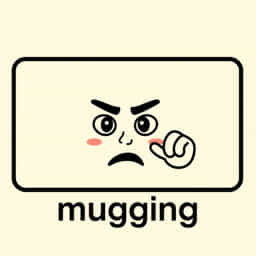
In the ever-changing world of slang and cultural shifts, the meaning of common words often gets transformed by each new generation. One such word that has caught the attention of linguists and online communities alike is mugging. Traditionally associated with street crime or the act of robbing someone, this word has evolved significantly among younger generations, particularly Gen Z. The transformation of mugging is a fascinating example of how social media, memes, and digital communication shape the modern lexicon. In the context of Gen Z, mugging does not always carry the criminal connotation it once did in fact, it has been adopted in humorous, ironic, and self-deprecating ways that reflect the internet age’s nuanced use of language.
Traditional Definition of Mugging
Historically, mugging refers to an act of violent robbery carried out in a public place. For example, when someone says, He got mugged last night, they usually mean the person was attacked and had personal items stolen. This meaning is well-established in legal contexts, media reports, and general conversation among older generations.
Characteristics of Traditional Mugging:
- Involves physical violence or the threat of it
- Takes place in a public area, often on the street
- Has a criminal and legal implication
- Used in police reports and crime-related news
The Gen Z Shift in Meaning
Among Gen Z, however, the word mugging has developed an entirely new layer of meaning that has little to do with crime. Influenced by social platforms such as TikTok, Instagram, and Twitter (now X), Gen Z uses mugging to refer to exaggerated facial expressions, dramatic reactions, or deliberately making silly or awkward faces in front of a camera.
Key Traits of Gen Z Usage:
- Refers to over-the-top facial expressions or reactions
- Used in a playful, humorous, or ironic way
- Common in selfies, video content, and memes
- Sometimes used to mock performative behavior
Examples of Gen Z Usage
Understanding the Gen Z version of mugging is easier when seen in real-world contexts. For example:
- She was totally mugging for the camera during that TikTok challenge.
- I caught myself mugging in every single Zoom call today.
- Stop mugging, you look ridiculous in the best way possible.
In all these examples, the term has nothing to do with crime. It’s about expression, visibility, and often satire of performative moments. This creative use has become embedded in Gen Z humor and identity.
The Influence of Media and Pop Culture
The evolution of mugging in Gen Z culture can be traced to television, internet culture, and the meme ecosystem. The term mugging for the camera has roots in acting and stage performance, where it described actors who exaggerated expressions for effect. This dramatic style made its way into sitcoms and comedy sketches, often to generate laughs.
As Gen Z grew up consuming digital media, they adopted and transformed this meaning. Mugging became a staple in meme videos, reaction gifs, and comedic edits, reinforcing its non-threatening, comedic tone. What was once a critique of overacting became a badge of humorous self-awareness.
Why Does Gen Z Use ‘Mugging’ Differently?
Gen Z is known for its irony, love for absurd humor, and redefinition of cultural terms. There are a few reasons why this generation has reshaped the meaning of mugging:
1. Digital Performance Culture
On platforms like TikTok and Snapchat, users are constantly performing to a digital audience. Gen Z is aware of this and often mocks it. By saying someone is mugging, they’re calling out performative behavior in a sarcastic yet affectionate way.
2. Reclaiming Language
Gen Z tends to reclaim and reshape language to fit their experiences. By using a word that once evoked fear and crime in a light-hearted context, they transform its power, giving it a new, creative meaning aligned with their worldview.
3. Internet Meme Culture
Meme culture thrives on visual exaggeration and ironic detachment. Mugging fits perfectly within this framework as a way to describe expressive reactions used to comedic effect.
How It Differs from Similar Slang
It’s important to distinguish mugging from other Gen Z slang that relates to visual behavior or emotion. Terms like serving face, smizing, or deadpan may overlap in theme but differ in nuance.
- Serving face: Refers to delivering a strong, model-like facial expression, often seen in fashion contexts.
- Smizing: Coined by Tyra Banks, it means smiling with your eyes.
- Deadpan: A neutral or expressionless face used for comedic effect, contrasting with mugging’s exaggerated nature.
Social Context and Acceptance
In Gen Z spaces, especially online, using mugging to describe one’s silly or theatrical expression is widely understood and accepted. It’s part of a broader trend of self-aware, hyper-dramatic language that resonates with the generation’s sense of humor and identity.
For older generations, however, this redefinition may cause confusion. They might still associate the word strictly with danger or criminal activity. Understanding this linguistic shift helps bridge generational gaps and promotes better communication across age groups.
Impact on Language and Communication
The case of mugging is one of many examples where Gen Z’s creativity influences the way English evolves. It demonstrates how language is never static it’s alive, shaped by context, technology, and culture. As younger users continue to remix and reframe traditional words, our dictionaries, classrooms, and social conversations must keep up.
Language becomes more inclusive and expressive when it adapts to the voice of its speakers. The Gen Z interpretation of mugging light-hearted, expressive, and self-aware reminds us of the power of words to evolve beyond their original constraints.
The meaning of mugging has undergone a cultural transformation thanks to the creativity and digital fluency of Gen Z. What was once a term rooted in street crime now thrives in the online space as a symbol of playful expression and exaggerated facial reactions. Understanding this shift is key to decoding modern slang and appreciating the dynamic nature of language in the digital age. Whether used to describe a TikTok performer making a silly face or someone being extra in a selfie, mugging now belongs firmly in the realm of Gen Z communication, humor, and identity.