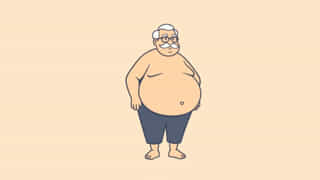
My Old Man’s a Fatso is a phrase that instantly evokes a mix of humor, nostalgia, and sometimes discomfort, depending on the context in which it is used. It can be found in various forms of popular culture, from comedic sketches to songs, where it often serves as a cheeky, irreverent expression of a child’s candid observation about their father’s physique. While on the surface it may seem like a simple humorous jab, the phrase also opens doors to deeper conversations about family dynamics, body image, and the role of humor in coping with sensitive subjects.
The Origin and Popularity of the Phrase
The phrase My Old Man’s a Fatso has roots in informal speech, where old man is a colloquial term for father. The use of fatso is a slang term often used to describe someone who is overweight. Despite its potentially offensive tone, the phrase has found its way into comedic and artistic works, reflecting society’s complicated relationship with weight and familial bonds.
Use in Comedy and Popular Media
Comedians and entertainers have historically used phrases like My Old Man’s a Fatso to draw laughter by playing on the blunt honesty of children and the awkwardness it creates. This type of humor taps into the universal experience of family teasing and the sometimes brutal honesty of children, which can be both funny and revealing.
- Children’s blunt honesty often serves as comedic material.
- Such phrases highlight cultural attitudes towards body image.
- They reflect the mix of affection and frustration common in family relationships.
Exploring the Deeper Meanings Behind the Phrase
While the phrase is often used in a light-hearted manner, it also touches on complex themes like body image, self-esteem, and social acceptance. For many, the phrase could trigger memories of being teased or feeling self-conscious about family members. It also raises questions about the appropriateness of humor that focuses on physical appearance, especially within family contexts.
Body Image and Social Perception
The term fatso, though often meant as a joke, can carry negative connotations and affect how individuals perceive themselves and others. In families, jokes about weight can sometimes contribute to insecurities or reinforce stereotypes. Yet, in other cases, humor can be a way of embracing imperfections and fostering acceptance.
Family Dynamics and Humor
Humor within families is a double-edged sword. On one hand, playful teasing can strengthen bonds and create shared memories. On the other hand, when humor targets sensitive issues such as weight, it can cause emotional harm or misunderstandings. Understanding the context and the personalities involved is crucial to interpreting whether a phrase like My Old Man’s a Fatso is lighthearted or hurtful.
How Humor Helps Us Cope
Humor, including self-deprecating or family-based jokes, often serves as a coping mechanism to deal with uncomfortable truths or social taboos. It can diffuse tension and allow people to talk about difficult subjects in a less confrontational way. The phrase My Old Man’s a Fatso exemplifies this, as it uses humor to approach a topic that might otherwise be awkward or sensitive.
The Positive Side of Family Jokes
- Creates a relaxed environment for communication.
- Builds resilience through shared laughter.
- Encourages acceptance of imperfections.
Risks of Negative Impact
- Potential for hurt feelings or embarrassment.
- May reinforce negative stereotypes about weight.
- Could lead to misunderstandings within the family.
The Phrase in Music and Cultural References
Various artists and performers have incorporated phrases similar to My Old Man’s a Fatso into songs or skits to reflect real-life family interactions or societal attitudes. These references can range from affectionate and humorous to satirical and critical, showing how the phrase resonates on multiple levels with audiences.
Examples of Usage
- Comedy routines that depict family teasing.
- Song lyrics that tell stories of childhood and family.
- Social media memes that highlight everyday family humor.
Modern Perspectives and Sensitivity
In today’s world, there is increasing awareness around body positivity and the impact of words on mental health. Phrases like My Old Man’s a Fatso, while once commonly used in jest, are now viewed with more scrutiny regarding their potential to offend or marginalize. This has led to more sensitive approaches to humor related to body image, especially within families.
Balancing Humor with Respect
Families today strive to find a balance between lighthearted teasing and respectful communication. The goal is to use humor to bring people together rather than create division or hurt feelings. Awareness and empathy are key to ensuring that jokes about weight or appearance do not cross the line into bullying or exclusion.
My Old Man’s a Fatso is more than just a humorous phrase. It reflects a complex mix of family relationships, cultural attitudes toward body image, and the role of humor in everyday life. While it can be a source of laughter and bonding, it also invites reflection on how language affects our perceptions and interactions. Understanding the context, intent, and impact of such phrases is essential to navigating the fine line between playful teasing and respect within families and society at large.