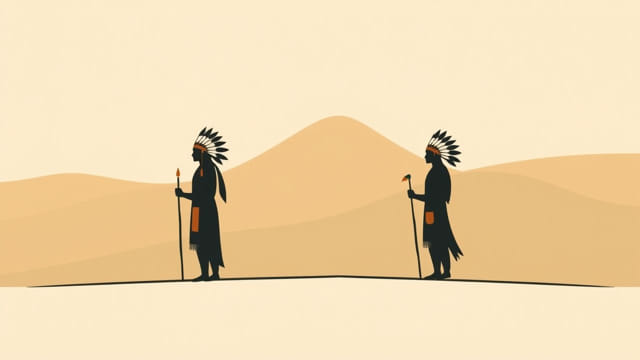
Long before European settlers arrived in the Appalachian Mountains, the region was home to various Native American tribes whose cultural heritage and deep connection to the land shaped the area’s identity for thousands of years. The story of Native Americans in Appalachia is one of resilience, tradition, displacement, and survival. From the prehistoric mound builders to the Cherokee Nation and other indigenous groups, these communities maintained complex societies rich in customs, agriculture, and trade networks across the vast and rugged landscape of Appalachia.
Prehistoric and Early Inhabitants of Appalachia
The earliest known Native American presence in Appalachia dates back more than 12,000 years, during the Paleo-Indian period. These early inhabitants were nomadic hunters and gatherers who followed game through mountain valleys and ridges. Over time, cultures evolved into the Archaic and Woodland periods, each marked by advancements in tools, pottery, and settlement patterns.
One of the most notable prehistoric cultures was the Mississippian culture, known for constructing large ceremonial mounds and developing intricate agricultural practices. Their influence extended into the Appalachian foothills, leaving behind significant archaeological sites such as the Etowah Mounds and the Ocmulgee National Monument.
Prominent Tribes of the Appalachian Region
The Cherokee
The most well-known Native American group associated with Appalachia is the Cherokee Nation. The Cherokee inhabited large portions of the Southern Appalachians, including present-day North Carolina, Tennessee, and Georgia. They developed a complex society with political systems, clan structures, and a written language, credited to Sequoyah in the early 19th century.
They built permanent villages, practiced agriculture (especially corn, beans, and squash), and maintained vibrant trade routes. Their deep spiritual connection to nature influenced their art, stories, and ceremonies. The Cherokee referred to themselves as the AniyvwiyaÊi, or the Principal People.
The Shawnee
Further north, the Shawnee played an important role in the Appalachian region, particularly in the central and northern parts of the mountain range. Although often displaced due to European colonization, they were known for their resistance and adaptability. The Shawnee lived in semi-permanent villages and had strong traditions of oral storytelling and craftsmanship.
The Yuchi, Creek, and Others
Other tribes such as the Yuchi, Creek (Muscogee), and Catawba also occupied parts of the Appalachian region. Each brought unique cultural elements and religious traditions. These tribes had overlapping hunting territories and often formed strategic alliances or conflicts based on shifting political landscapes.
European Contact and Cultural Disruption
With the arrival of Europeans in the 16th and 17th centuries, the lives of Native Americans in Appalachia changed drastically. Initial contact involved trade and occasional cooperation, but soon, conflict and disease followed. European settlers encroached upon native lands, bringing with them new weapons, pathogens, and land ownership concepts alien to indigenous societies.
Many tribes suffered catastrophic population losses due to smallpox and influenza. Additionally, the introduction of European goods such as metal tools and firearms transformed Native American economies and warfare. This period marked the beginning of a prolonged struggle for survival, land, and cultural identity.
Removal and Displacement
Trail of Tears
Perhaps the most infamous chapter in Appalachian Native American history is the forced removal of the Cherokee in the 1830s. Under the Indian Removal Act of 1830, the U.S. government orchestrated the expulsion of thousands of Native Americans from their ancestral homelands. The Cherokee were marched westward to Indian Territory (present-day Oklahoma), a journey remembered as the Trail of Tears due to the immense suffering and death it caused.
Despite resistance, legal battles, and internal divisions, the Cherokee were eventually removed by force. However, some small groups evaded relocation and remained in the mountains, eventually forming the Eastern Band of Cherokee Indians in North Carolina.
Survival and Continuity
While many Native American communities were forcibly displaced, others managed to remain in the Appalachian region, often by retreating to remote mountain areas. Over time, these communities intermarried with European settlers and African Americans, giving rise to rich, blended cultures that maintained indigenous traditions under the radar of dominant colonial society.
One such community is the Melungeon people of Appalachia. Although their origins are debated, many claim descent from Native American, African, and European ancestry. Oral histories and genealogical studies suggest that Native bloodlines continued to influence Appalachian communities long after official tribal identities were lost or obscured.
Modern Presence and Revitalization
Today, Native American heritage in Appalachia is experiencing a revival. The Eastern Band of Cherokee Indians remains a federally recognized tribe headquartered in the Qualla Boundary in western North Carolina. They operate schools, museums, and cultural programs to preserve their language and customs.
Across the broader Appalachian region, other groups are reclaiming their heritage. Festivals, powwows, and educational initiatives are becoming more visible, reflecting a renewed pride in indigenous identity. Language revitalization efforts, traditional craft workshops, and tribal reunifications are ongoing, helping to reconnect individuals with their ancestral roots.
Educational and Cultural Institutions
- The Museum of the Cherokee Indian in North Carolina offers interactive exhibits and programs on Cherokee history and culture.
- Various tribal colleges and cultural centers are promoting Native studies in Appalachia.
- Nonprofits and community groups are documenting indigenous Appalachian stories through oral history projects and digital archives.
Challenges Facing Native Americans in Appalachia
Despite these positive developments, many challenges remain. Native Americans in the Appalachian region often face economic hardship, limited access to healthcare, and social marginalization. Historical trauma, land dispossession, and loss of language continue to affect the well-being of many individuals and families.
Furthermore, recognition remains a contentious issue. Many communities identify as Native American but lack federal or state recognition, which restricts their access to resources and legal protections. The process of obtaining tribal recognition is often long, expensive, and politically fraught.
The history and legacy of Native Americans in Appalachia are complex and enduring. From ancient mound builders to modern tribal leaders, indigenous peoples have left a profound mark on the Appalachian landscape and culture. Despite centuries of adversity, Native communities continue to survive, adapt, and reclaim their stories. Understanding their past is essential for honoring their future and enriching the broader narrative of Appalachian history.