Jewelry making is a craft that requires precision, patience, and the right tools to achieve professional results. One of the tools that often goes unnoticed but plays a crucial role in creating clean, polished designs is the needle burnisher. This tool is particularly important when working on techniques such as flush setting, where a gemstone is set into the surface of the metal so that it sits level and smooth. Learning about the needle burnisher for flush setting helps jewelers, both beginners and advanced, achieve a refined finish that enhances the beauty and durability of their work.
What Is a Needle Burnisher?
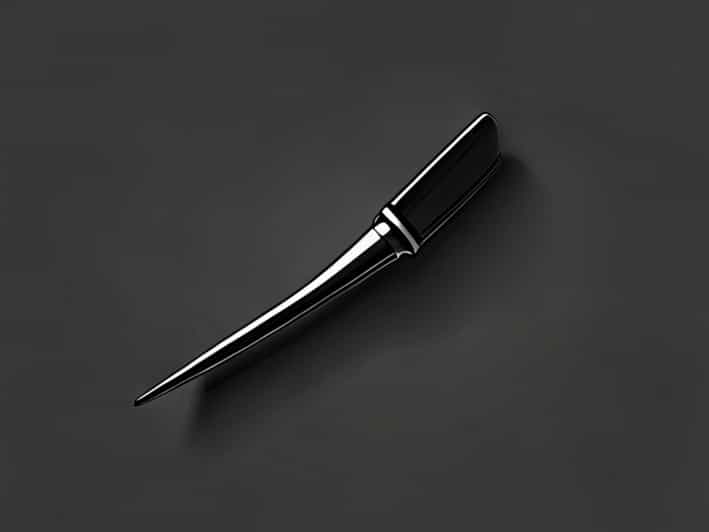
A needle burnisher is a slim, pointed tool made of hardened steel, often polished to a mirror-like finish. Its primary purpose is to smooth, harden, and compress metal surfaces without removing material. Unlike files or abrasives that cut or scratch, a burnisher works by pressing down the metal and creating a shiny, even surface. In jewelry, this tool is invaluable for ensuring that the edges around a gemstone are secure and polished during a flush setting process.
Main Characteristics of a Needle Burnisher
- Slender, needle-like shape for precision work.
- Polished steel surface that resists scratching.
- Available in different sizes and lengths depending on the task.
- Often fitted with a wooden or plastic handle for better grip and control.
Understanding Flush Setting
Flush setting, sometimes called gypsy setting, involves embedding a gemstone into the surface of a piece of metal, leaving the stone level with the surrounding area. This technique is commonly used in rings, bracelets, and pendants where a smooth finish is desired. Because the gem sits flush with the metal, the setting is both secure and sleek, making it popular for modern and minimalist designs.
Why Use a Needle Burnisher for Flush Setting?
The flush setting technique requires precise control over the metal around the stone. After the stone is placed into a drilled seat, the surrounding metal must be pressed and smoothed tightly against the edge of the gemstone. A needle burnisher helps with
- Securing the stone without leaving tool marks.
- Compressing metal evenly around the gem.
- Creating a polished surface for an elegant finish.
- Preventing rough edges that may catch on clothing or skin.
Steps in Using a Needle Burnisher for Flush Setting
For jewelers learning to master this skill, it is helpful to break down the process step by step
1. Preparing the Seat
The first step is to drill and cut a seat into the metal that matches the size of the gemstone. Precision is critical here, as the stone should fit snugly without wobbling. The surface must be clean and even.
2. Placing the Gemstone
The gemstone is carefully inserted into the seat. Its table should align level with the surrounding metal surface. At this stage, the stone is loose and requires securing.
3. Securing the Stone with the Needle Burnisher
The needle burnisher is then used to push and smooth the metal edges around the stone. By applying controlled pressure, the jeweler compresses the metal, locking the gemstone firmly into place. The burnisher must be kept polished to avoid scratching the gem or leaving marks on the metal.
4. Polishing the Surface
Once the stone is secure, the burnisher is used again to polish the area. This step ensures that the surface is smooth, the stone is firmly held, and the overall appearance is professional and attractive.
Advantages of Using a Needle Burnisher
There are several benefits to incorporating a needle burnisher into jewelry making, particularly when working with flush setting
- Provides better control compared to larger burnishing tools.
- Reduces the risk of damaging delicate gemstones.
- Allows for detailed work in small or tight spaces.
- Improves the overall strength of the setting by compressing the metal securely.
Tips for Effective Use
Using a needle burnisher effectively requires practice, but the following tips can help jewelers improve their results
- Always polish the burnisher before use to avoid scratches.
- Apply gentle, steady pressure rather than forcing the tool.
- Work slowly around the gemstone to ensure even compression.
- Hold the tool at a slight angle for better control and access.
- Keep the gemstone protected by focusing pressure on the metal only.
Common Mistakes to Avoid
When learning flush setting with a needle burnisher, beginners often encounter challenges. Some mistakes to avoid include
- Using too much pressure, which can crack delicate stones.
- Failing to polish the burnisher, leading to visible scratches.
- Leaving gaps between the stone and metal, which weaken the setting.
- Rushing the process and missing uneven areas around the gemstone.
Needle Burnisher vs. Other Tools
Although files, gravers, and larger burnishers are also used in jewelry making, the needle burnisher stands out for its precision. It is particularly suited for flush setting because of its slender design and ability to access tight areas around gemstones. Unlike abrasives, which remove material, the burnisher strengthens the surface by compressing the metal, making it ideal for delicate finishing work.
Applications Beyond Flush Setting
While the needle burnisher is best known for its role in flush setting, it has other applications in jewelry making
- Smoothing bezel edges after stone setting.
- Hardening prongs or delicate parts of a design.
- Polishing tight corners and intricate details.
- Finishing work on engraved designs to add shine.
The needle burnisher for flush setting is a small but essential tool in the jeweler’s toolkit. Its ability to smooth, polish, and compress metal around gemstones ensures that stones remain secure while giving the piece a refined and professional finish. By mastering this tool, jewelers can create durable and elegant flush settings that highlight the beauty of the gemstones without compromising security. Whether used by beginners learning the craft or experts perfecting their technique, the needle burnisher remains a cornerstone of quality jewelry making, proving that even the simplest tools can have a powerful impact on craftsmanship.