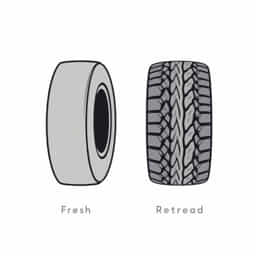
When it comes to vehicle maintenance and road safety, few components are as critical as the tires. Whether you drive a passenger car, a commercial truck, or a bus, the choice between new tires and retread tires can significantly impact performance, cost, and environmental footprint. Many consumers and fleet managers face the question: should you invest in new tires for guaranteed reliability, or opt for retread tires to save money and support sustainability? Understanding the advantages and drawbacks of each option helps make a more informed and cost-effective decision that doesn’t compromise on safety.
Understanding New Tires
What Are New Tires?
New tires are manufactured from scratch using raw rubber and synthetic materials. They come directly from the factory with all-new components, including the tread, sidewall, and casing. These tires are designed to meet original equipment manufacturer (OEM) standards and often include the latest advancements in tire technology.
Advantages of New Tires
- Optimal Performance: New tires provide maximum traction, handling, and braking efficiency.
- Longer Tread Life: Since they have never been used, new tires generally offer more miles before wearing out.
- Latest Technology: Modern materials and engineering give new tires better fuel efficiency and comfort.
- Peace of Mind: With no previous wear or damage, new tires come with full warranties and are considered the safest option.
Disadvantages of New Tires
- Higher Cost: New tires are significantly more expensive than retread alternatives, especially for commercial vehicles.
- Environmental Impact: Manufacturing new tires consumes more energy and raw materials, resulting in a higher carbon footprint.
What Are Retread Tires?
Retreading Process Explained
Retread tires, also known as remolded or recap tires, are used tire casings that have undergone a refurbishment process. The old tread is removed, and a new tread is bonded to the casing using heat and pressure. This method gives the tire a second or even third life, reducing the need for new materials and lowering costs.
Benefits of Retread Tires
- Cost Savings: Retread tires can cost 30% to 50% less than new ones, making them an attractive option for large fleets.
- Eco-Friendly: By recycling the casing, retreading reduces waste and conserves resources.
- Reliable for Commercial Use: When done properly, retread tires perform well for trucks, buses, and trailers under standard operating conditions.
Limitations of Retread Tires
- Variable Quality: The performance and lifespan of a retread tire depend heavily on the condition of the original casing and the quality of the retreading process.
- Not Ideal for High-Speed Use: Retreads are generally not recommended for high-speed passenger vehicles due to potential safety concerns.
- Shorter Tread Life: While cost-effective, retread tires may wear out sooner than brand-new ones.
Comparing Performance and Safety
On-Road Performance
New tires consistently deliver top-tier performance across all categories traction, noise reduction, fuel economy, and ride comfort. Retread tires, on the other hand, can perform adequately for commercial vehicles, especially for non-steering axles and trailer use, but may not match the consistent reliability of new ones.
Safety Considerations
Safety is a top priority when choosing tires. New tires, being untouched and freshly engineered, offer maximum structural integrity. Retread tires can be safe too, provided they’re produced under strict guidelines and inspected properly. However, poor-quality retreads have historically been linked to tire blowouts, particularly under heavy loads or extreme heat.
Suitability for Vehicle Types
- Passenger Vehicles: New tires are strongly recommended for personal cars, especially those that travel at high speeds or in varied weather conditions.
- Commercial Trucks: Retreads are widely accepted and used in the trucking industry, especially on drive and trailer axles.
- Buses and Vans: Both new and retread tires can be used, depending on routes, safety regulations, and budget constraints.
Environmental Impact
New Tire Production and Sustainability
Making a new tire requires significant amounts of rubber, oil, and energy. This process contributes to deforestation, carbon emissions, and pollution. Even though tire manufacturers are exploring more sustainable options, new tires still leave a larger environmental footprint compared to retreads.
Green Benefits of Retread Tires
Retreading extends the life of existing tires, significantly reducing landfill waste and material consumption. According to industry estimates, retreading can save up to 15 gallons of oil per tire. For fleet operators conscious about sustainability, retread tires represent an effective way to cut emissions and support recycling initiatives.
Cost Analysis
Upfront and Long-Term Costs
New tires demand higher upfront investment but can provide longer service life and lower maintenance risks. Retread tires offer immediate savings and can be a smart financial choice for businesses that replace large quantities of tires regularly. However, they may require more frequent replacement or careful monitoring, especially in demanding conditions.
Fleet Management Perspective
Many logistics and transportation companies use a mix of new and retread tires to balance safety, cost, and sustainability. For example, steer axles might use new tires for precision handling, while rear axles and trailers can run safely on retreads. This mixed approach can lower operational costs without compromising performance where it matters most.
Choosing the Right Tire for Your Needs
Factors to Consider
- Vehicle Type: Passenger cars benefit more from new tires, while commercial vehicles can often safely use retreads.
- Driving Conditions: Harsh climates, rough roads, or long-distance travel may require the reliability of new tires.
- Budget: Limited budgets may make retread tires a necessary option, especially for fleet owners.
- Mileage Requirements: If you drive frequently or for long distances, the extended life of new tires may be more economical in the long run.
Quality and Certification
Regardless of your choice, always buy from certified manufacturers and suppliers. Retread tires should meet industry safety standards such as those set by the Department of Transportation or equivalent regulatory bodies in your region. Avoid using heavily worn casings or poorly manufactured retreads, as they pose serious safety risks.
Choosing between new vs retread tires depends on various factors including budget, usage, environmental priorities, and safety expectations. New tires offer unbeatable performance, reliability, and longevity, making them ideal for personal vehicles and critical applications. On the other hand, retread tires present a practical, eco-conscious solution for commercial use, where cost savings and sustainability are essential. With careful selection and proper maintenance, both options can serve drivers well. By understanding the strengths and weaknesses of each, vehicle owners can make smarter, more efficient decisions that keep them safe and save money on the road.