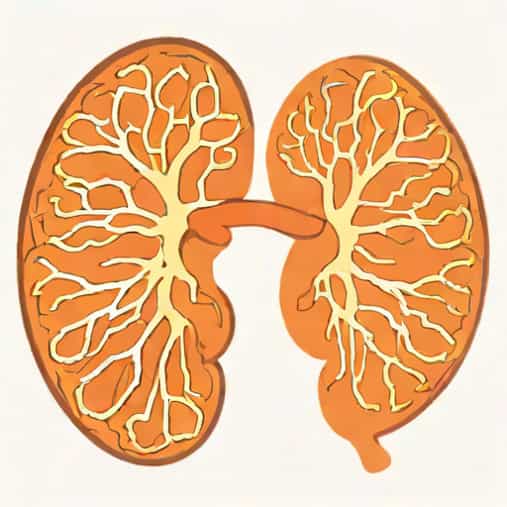
The kidneys are vital organs responsible for filtering waste, maintaining electrolyte balance, and regulating blood pressure. One important parameter used in assessing kidney health is cortical thickness, which refers to the measurement of the renal cortex-the outer portion of the kidney where filtration occurs. Normal cortical thickness provides crucial information to clinicians about kidney function, structure, and possible underlying conditions. Measuring cortical thickness in millimeters (mm) through imaging techniques like ultrasound, CT, or MRI helps in diagnosing chronic kidney disease, acute kidney injury, or other structural abnormalities. Understanding the normal range, factors influencing cortical thickness, and clinical implications is essential for accurate interpretation and effective patient care.
Understanding Kidney Anatomy
The kidneys are paired organs located on either side of the spine, typically measuring about 10 to 12 cm in length in adults. Each kidney is divided into two main regions the cortex and the medulla. The cortex is the outer layer where the glomeruli are located, playing a key role in filtering blood. The medulla contains the renal pyramids and collects the urine that flows into the renal pelvis. The thickness of the cortex is a direct indicator of the functional mass of nephrons, which are the basic filtration units of the kidney.
Renal Cortex and Its Importance
The renal cortex contains glomeruli, proximal and distal convoluted tubules, and associated blood vessels. It is responsible for filtering blood, removing waste products, and reabsorbing essential substances like glucose, amino acids, and electrolytes. A reduction in cortical thickness can signify loss of functional nephrons, often associated with chronic kidney disease or other renal pathologies. Conversely, a thicker-than-normal cortex may sometimes indicate compensatory hypertrophy or early stages of inflammation.
Normal Cortical Thickness in Adults
Normal cortical thickness is usually measured in millimeters using imaging techniques such as ultrasonography, which is non-invasive, cost-effective, and widely available. Research indicates that in healthy adults, the normal cortical thickness of the kidney ranges approximately between 7 mm to 10 mm. This value can vary slightly depending on age, sex, body size, and the specific imaging method used. Maintaining cortical thickness within the normal range is essential for ensuring efficient kidney function and filtration capacity.
Factors Influencing Cortical Thickness
Several physiological and pathological factors can influence the thickness of the renal cortex
- Age Cortical thickness tends to decrease slightly with aging due to nephron loss and structural changes.
- Gender Some studies suggest males may have slightly thicker cortices compared to females due to differences in kidney size and body mass.
- Body Size and Hydration Larger body mass and adequate hydration can influence kidney size and cortical measurements.
- Medical Conditions Chronic kidney disease, hypertension, diabetes, and acute kidney injury can cause cortical thinning or irregularities.
Measuring Cortical Thickness
Measurement of renal cortical thickness is typically performed via ultrasonography. During the ultrasound examination, the technician measures the distance from the outer edge of the kidney to the base of the medullary pyramids. Some studies recommend measuring at the midpoint of the kidney to get a standardized assessment. CT scans and MRI can also be used to provide more detailed structural information, particularly in cases of suspected masses or complex renal pathology.
Ultrasound Technique
- Place the patient in a prone or lateral decubitus position.
- Use a high-frequency linear or convex probe to visualize the kidney.
- Measure cortical thickness from the renal capsule to the base of the medullary pyramid.
- Average measurements from multiple points can provide a more accurate assessment.
Clinical Interpretation
Normal cortical thickness of 7-10 mm is indicative of healthy kidneys. When cortical thickness falls below 6 mm, it may suggest chronic renal disease or long-standing nephron loss. In contrast, cortical thickness exceeding 10 mm could indicate compensatory hypertrophy, early inflammatory changes, or renal congestion. Interpretation should always consider patient history, laboratory findings, and other imaging results to ensure accurate clinical conclusions.
Significance in Diagnosing Kidney Diseases
Monitoring cortical thickness is particularly important in detecting and managing kidney diseases. Reduced cortical thickness is a hallmark of chronic kidney disease (CKD) and is often accompanied by other changes such as decreased renal volume and increased echogenicity on ultrasound. Early detection of cortical thinning can prompt interventions to slow disease progression, including blood pressure control, glucose management in diabetic patients, and lifestyle modifications. Additionally, cortical thickness measurements can help assess renal recovery after acute kidney injury or guide decisions regarding transplantation and dialysis.
Chronic Kidney Disease (CKD)
In CKD, progressive nephron loss leads to a gradual thinning of the renal cortex. Ultrasound studies often show cortical thinning alongside increased echogenicity. Measuring cortical thickness provides an objective parameter for staging CKD and predicting long-term outcomes.
Acute Kidney Injury (AKI)
During acute kidney injury, cortical thickness may temporarily change due to inflammation, edema, or congestion. Serial measurements can help track the recovery process and assess whether kidney function is returning to baseline. Sudden reduction in cortical thickness can indicate significant structural damage requiring urgent medical attention.
Factors Affecting Measurement Accuracy
Accurate measurement of renal cortical thickness depends on multiple factors
- Imaging Technique Ultrasound operator skill and probe selection can affect measurements.
- Patient Factors Obesity, bowel gas, or poor hydration may interfere with visualization.
- Kidney Position Anatomical variations such as malrotation or ectopic kidneys can impact accuracy.
- Measurement Site Consistency in selecting the measurement site along the kidney is crucial for reliable comparisons.
Renal cortical thickness, measured in millimeters, is an essential indicator of kidney health and functionality. In adults, normal cortical thickness typically ranges from 7 to 10 mm, but variations can occur depending on age, gender, body size, and health conditions. Accurate measurement using ultrasound or other imaging modalities provides valuable information for diagnosing, monitoring, and managing kidney diseases such as chronic kidney disease and acute kidney injury. Clinicians must consider patient-specific factors, imaging technique, and clinical history to interpret cortical thickness accurately. Monitoring renal cortical thickness helps ensure timely interventions, preserving kidney function and overall health for patients at risk of renal complications.