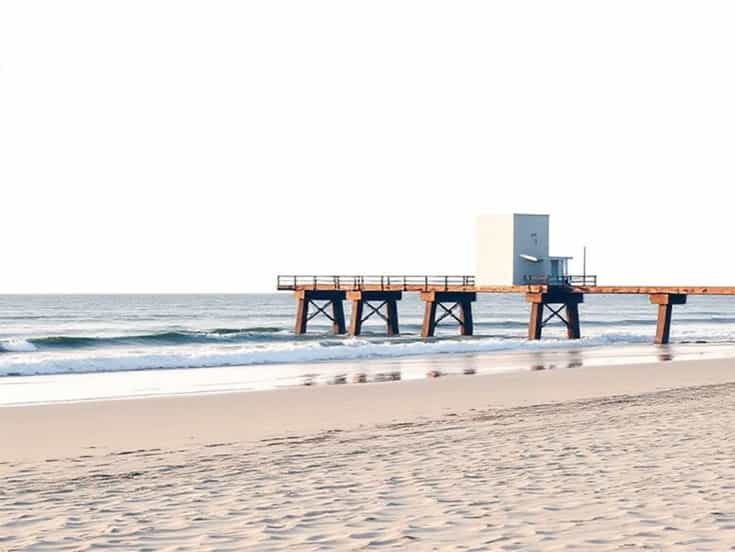
The coastline of North Myrtle Beach in South Carolina has long been a draw for tourists, residents, and natureenthusiasts alike. Yet beneath the sundrenched beach photos lies a major infrastructure effort aimed at improving water quality and stormwater management. Known as the ocean outfall project, this initiative is altering how stormwater is discharged into the Atlantic, reducing beach pollution and safeguarding the shoreline environment. The project represents a key investment in coastal resilience, drainage infrastructure and environmental protection, and it is shaping the future of how North Myrtle Beach deals with rain, runoff and ocean health.
Background and Need for the Project
North Myrtle Beach, like many coastal communities, faces the dual challenges of heavy rainfall events and aging stormwater infrastructure. Stormwater runoff often carries bacteria, debris and sediment from inland surfaces out toward the shoreline, creating potential waterquality issues in the surf zone. The city’s traditional outfall pipes discharged stormwater relatively close to shore, which posed risks to swimmers, beachgoers and the marine ecosystem. The outfall project emerges from the need to redirect stormwater further offshore, reduce bacteria levels near the beach and protect the shoreline from the erosive effects of concentrated discharge. contentReference[oaicite1]
Goals and strategic objectives
The project sets out several interlinked objectives
- Relocate stormwater discharge pipes farther offshore (about 1,200 feet or more) to reduce bacteria and pollutant levels in nearshore water. contentReference[oaicite2]
- Enhance inland drainage to reduce flooding risk, especially during heavy rain or storm events. contentReference[oaicite3]
- Improve longterm coastal resilience by minimizing damage to beach renourishment projects and reducing the impact of concentrated discharge on the shoreline. contentReference[oaicite4]
- Create a cleaner, safer beach environment for residents, visitors and marine life alike. contentReference[oaicite5]
Key Components of the North Myrtle Beach Outfall Project
The outfall project is not a single pipe but a series of infrastructure upgrades involving both landbased and offshore components. One example is the Main Street outfall system, which included an 84inch diameter gravityfed concrete pipe buried under the ocean floor approximately 1,200 feet offshore, with nearly 4,900 feet of onshore piping replacing smaller diameter outfalls. contentReference[oaicite6]
Landbased improvements
On the land side, the project entails updating drainage systems, replacing older smaller pipes, improving connections to ponds or inland drainage basins, and preparing those systems to feed into the new outfall infrastructure. For instance, at 18th Avenue North the project connects inland ponds with offshore discharge to handle heavy rainfall events. contentReference[oaicite7]
Offshore outfall systems
The offshore portion involves extending large pipes beneath the sea floor, positioning the discharge of stormwater well beyond the surf zone. This not only improves water quality near the beach, but also mitigates the visual and physical intrusion of older discharge systems. The result is fewer visible pipes on the sand and a cleaner beachfront experience. contentReference[oaicite8]
Project Status and Timeline
According to the city’s public works department, the stormwater ocean outfall program has been underway for many years, with six outfalls already installed since 2002, including the most recent at 18th Avenue North. contentReference[oaicite9] The programme continues with planned outfalls at 17th Avenue South and 29th Avenue South, and further expansions are anticipated. contentReference[oaicite10]
A project contract listed for the 17 Avenue South outfall shows work intended to improve draining of urban areas into the Atlantic and strengthen resilience against heavy rainfall. contentReference[oaicite11] Progress reports indicate that the project is a longterm undertaking, running in phases as funding, design and construction align. Monitoring systems for water quality improvements nearshore are also being put into place concurrently to measure effectiveness. contentReference[oaicite12]
Funding and partnership
Much of the work has been supported by statelevel funding and resilience offices. For example, the inland drainage work associated with the 18th Avenue North outfall received $7 million in funding from the South Carolina Office of Resilience. contentReference[oaicite13] Such partnerships underline the significance of the project for broader environmental and infrastructure priorities in the region.
Environmental and Community Benefits
Beyond flood protection and drainage, the outfall project offers several environmental and community benefits. By relocating discharge points offshore, the bacteria and pollutants entering the surf zone are significantly reduced, leading to cleaner water for swimmers and marine life. contentReference[oaicite14] Additionally, stronger inland drainage reduces standing water in streets, fewer stormwater backups, and potentially fewer property damages in heavy rains.
Beach experience and tourism impact
For a tourist destination like North Myrtle Beach, the condition of the water and beachfront plays a major role in visitor perceptions and local economy. Cleaner water, fewer exposed pipes, and less visible infrastructure mean a more attractive beach experience. This can translate into higher visitor satisfaction, longer stays, and stronger economic returns for hotels, restaurants and rental properties. The outfall project aligns with efforts to keep the shoreline appealing and sustainable for future generations. contentReference[oaicite15]
Coastal resilience and futureproofing
As climate change brings more intense rainfall events and rising sea levels, coastal municipalities are under increased pressure to adapt. The outfall project contributes to such resilience by upgrading drainage infrastructure, redirecting stormwater, and protecting beach renourishment efforts from damaging concentrated flows. By proactively building this infrastructure, North Myrtle Beach positions itself as a community prepared for environmental changes ahead. contentReference[oaicite16]
Challenges and Considerations
While the project offers many advantages, there are practical and logistical challenges to manage. Construction in coastal zones involves complex permitting, potential environmental impacts during installation, and interference with shoreline access during phases of work. For example, old beach access areas may be temporarily closed or fenced off when pipelines are installed or beachside infrastructure is updated. contentReference[oaicite17]
Cost is another factor. Large infrastructure upgrades require significant funding, and maintaining timelines while managing weather delays, equipment logistics and shoreline conditions can slow progress. Ongoing monitoring and maintenance will also be critical to ensure that the investment delivers longterm benefits. Additionally, public communication and stakeholder engagement are essential to keep residents and visitors informed about construction impacts and project benefits.
Community impact during construction
Beachfront construction often comes with noise, staging areas, fenced access, and changes to foot traffic. Ensuring that the local community and visitors understand the purpose, expected duration and benefits of the work can reduce frustration and enhance buyin. The visibility of the project means managing expectations about temporary disruptions is part of successful execution. contentReference[oaicite18]
Monitoring Success and Measuring Outcomes
One of the most important aspects of the outfall project is measuring the effectiveness of the changes. The city has established continuous water quality monitoring systems to document improvements in nearshore ocean water quality resulting from the new outfalls. contentReference[oaicite19] Tracking metrics such as bacteria levels in the surf zone, flood incidents inland, and beach access conditions will help validate that the infrastructure investment is having its intended impact.
Key performance indicators
- Reduction in bacteria and contaminant levels in beachadjacent ocean waters.
- Decrease in inland flooding events or stormwater backups in drainage basins connected to the new outfall system.
- Improvement in beach condition and visitor perceptions of water cleanliness.
- Maintenance of beach renourishment projects and reduced damage from concentrated storm flows.
The North Myrtle Beach outfall project represents an ambitious and forwardlooking effort to modernize stormwater infrastructure, enhance water quality, reduce flood risk and protect the beach experience for residents and visitors. By extending discharge pipes offshore, improving inland drainage and monitoring water quality outcomes, the city is making substantial progress in safeguarding its shoreline environment and the local economy. While challenges exist in construction, funding and stakeholder management, the longterm benefits are clear. As coastal communities everywhere face increasing pressures from climate change, heavy rainfall and environmental degradation, projects like this one in North Myrtle Beach serve as a model of proactive infrastructure planning, environmental stewardship and community resilience.