Cheerios is a classic breakfast cereal that has earned a reputation for being simple, wholesome, and heart-healthy. Made primarily from whole grain oats, it’s often recommended for people looking to maintain a balanced diet. Whether you’re monitoring your daily calorie intake, reducing sugar, or trying to boost your fiber consumption, checking the nutrition label for Cheerios is a great first step. Understanding what each value represents can help you make informed decisions about how this cereal fits into your daily nutritional goals.
Serving Size and General Overview
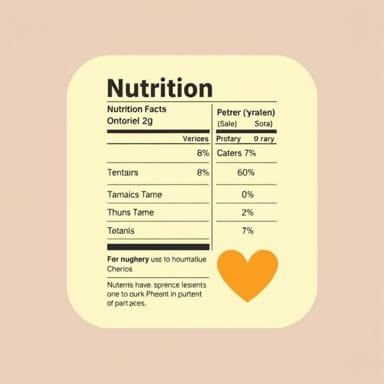
The standard serving size listed on the nutrition label for Cheerios is 1 cup, or about 39 grams. This serving is a reference point for all nutritional values shown on the packaging. It helps consumers compare the nutrient content of different foods and decide on appropriate portion sizes. Below are the basic nutrition facts for one serving of original Cheerios:
- Calories: 140
- Total Fat: 2 grams
- Saturated Fat: 0 grams
- Trans Fat: 0 grams
- Cholesterol: 0 milligrams
- Sodium: 190 milligrams
- Total Carbohydrates: 29 grams
- Dietary Fiber: 4 grams
- Total Sugars: 1 gram
- Added Sugars: 1 gram
- Protein: 5 grams
This nutritional breakdown highlights Cheerios as a low-fat, low-sugar cereal option that delivers a solid amount of fiber and protein compared to many other cereals on the market.
Macronutrients in Cheerios
Carbohydrates and Fiber
With 29 grams of total carbohydrates per serving, Cheerios provides energy needed to start your day. More importantly, 4 grams of that total is dietary fiber, including soluble fiber from whole grain oats. Soluble fiber can help lower cholesterol and regulate blood sugar levels, making Cheerios a heart-friendly breakfast option. This is one of the reasons Cheerios is often recommended for individuals aiming to improve their heart health.
Sugar Content
Original Cheerios stands out for its minimal sugar content. It contains only 1 gram of total sugar, which includes the added sugar. This makes it a smart choice for people monitoring their sugar intake, such as those with diabetes or individuals seeking to reduce overall consumption of added sugars.
Fat and Cholesterol
Cheerios is a naturally low-fat cereal with only 2 grams of total fat and no saturated or trans fats. It’s also cholesterol-free, which aligns with current dietary guidelines that recommend limiting intake of saturated fats and cholesterol for cardiovascular health.
Protein
Each serving contains 5 grams of protein, which is moderate for a grain-based cereal. While not a high-protein food by itself, Cheerios can be paired with milk, nuts, or yogurt to create a more balanced, protein-rich breakfast.
Vitamins and Minerals
The nutrition label for Cheerios shows that the cereal is fortified with several important vitamins and minerals, which makes it more nutritionally valuable than it would be from just whole oats alone. Here are some of the key nutrients found in a typical serving:
- Iron: 12.6 milligrams (70% Daily Value)
- Calcium: 130 milligrams (10% DV)
- Potassium: 250 milligrams (6% DV)
- Vitamin D: 2 mcg (10% DV)
- Thiamin (Vitamin B1): 0.3 mg (25% DV)
- Riboflavin (Vitamin B2): 0.26 mg (20% DV)
- Niacin (Vitamin B3): 4 mg (25% DV)
- Vitamin B6: 0.34 mg (20% DV)
- Folate: 85 mcg DFE (20% DV)
- Zinc: 1.7 mg (15% DV)
Iron is particularly notable here. Cheerios provides a high percentage of the daily recommended intake, which can be beneficial for individuals who may be at risk of iron deficiency, such as children, pregnant women, or vegetarians.
Understanding the Ingredient List
In addition to the numbers on the nutrition label, reviewing the ingredient list can offer valuable insight into the quality of the product. The first ingredient in Cheerios is whole grain oats, which indicates that the majority of the cereal’s content is made from a whole food source. This is important because whole grains retain more nutrients and fiber compared to refined grains.
The remaining ingredients are minimal and include:
- Corn starch
- Sugar
- Salt
- Tripotassium phosphate (a mineral salt used for texture and preservation)
- Vitamin and mineral blend for fortification
This simplicity in ingredients reflects the clean label appeal of Cheerios, making it a dependable choice for health-conscious shoppers.
Health Benefits of Cheerios
Supports Heart Health
The inclusion of soluble fiber from whole grain oats helps lower LDL cholesterol, earning Cheerios recognition from the FDA as a heart-healthy food. Eating 3 grams of soluble fiber from oats daily may reduce the risk of heart disease, and a serving of Cheerios contributes over 1 gram toward this goal.
Low Sugar for Blood Sugar Control
With only 1 gram of sugar per serving, Cheerios is suitable for those managing blood sugar levels or aiming to reduce sugar in their diets. This is especially beneficial compared to other cereals that may contain up to 12 grams or more of added sugars per serving.
Fortified with Key Nutrients
Because Cheerios is fortified with iron, B vitamins, and other essential nutrients, it can help fill in dietary gaps, particularly in children and adults with limited diets. This makes it a convenient and efficient way to increase nutrient intake without extra calories.
Tips for Including Cheerios in a Balanced Diet
- Add fruit: Combine with banana slices, strawberries, or blueberries to boost fiber, vitamins, and natural sweetness.
- Pair with protein: Add milk, Greek yogurt, or a handful of almonds for a more satisfying and balanced meal.
- Use in snacks: Cheerios can be included in trail mixes or used as a healthy on-the-go snack for kids and adults alike.
- Watch portions: While Cheerios is low in calories and sugar, large servings can add up, especially if additional sweeteners or toppings are used.
The nutrition label for Cheerios reveals that it is a smart, low-sugar, whole grain cereal option that offers key nutrients like fiber, iron, and B vitamins. It’s a versatile food that can support heart health, aid digestion, and provide sustained energy throughout the day. Whether eaten with milk, fruit, or on its own as a snack, Cheerios is a convenient and healthful choice for people of all ages. Always read the nutrition label to make the best decisions for your dietary needs, and remember that even simple cereals like Cheerios can play an important role in a balanced, nutrient-rich diet.