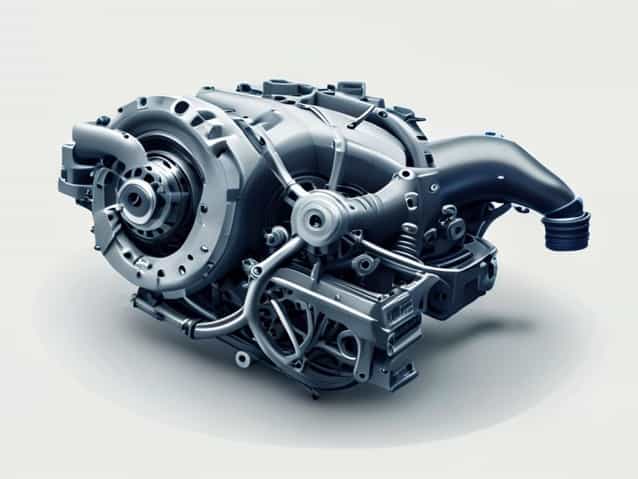
The Wankel rotary engine is a unique type of internal combustion engine that operates on a completely different principle compared to conventional piston engines. Unlike traditional engines, which use reciprocating pistons to convert fuel into mechanical energy, the Wankel rotary engine relies on a triangular rotor that spins within an epitrochoid-shaped housing. This design allows for smooth, high-revving performance with fewer moving parts, making it compact, lightweight, and capable of delivering impressive power relative to its size. Understanding the operation of the Wankel rotary engine requires examining its structure, working cycles, advantages, challenges, and applications in automotive and other industries.
Basic Structure of a Wankel Rotary Engine
The Wankel rotary engine consists of three primary components the rotor, the housing, and the eccentric shaft. The rotor is triangular in shape with slightly curved sides, and it rotates within the engine housing, which is shaped like an epitrochoid curve. The eccentric shaft acts similarly to a crankshaft in a piston engine, transferring the rotor’s motion into rotational output that drives the vehicle’s drivetrain. The engine also includes intake and exhaust ports, spark plugs, and a cooling system to regulate temperature. The compact design of the rotary engine allows for a smaller footprint compared to conventional piston engines with similar power output.
The Rotor and Housing Relationship
The rotor fits snugly within the housing, creating three separate chambers. As the rotor spins, each chamber undergoes four distinct phases of combustion intake, compression, combustion, and exhaust. The apexes of the triangular rotor maintain contact with the housing walls, forming sealed chambers that allow the engine to complete the four-stroke cycle without the need for reciprocating pistons. This continuous rotary motion is one of the main features that differentiates the Wankel engine from traditional piston engines.
Operating Cycles of the Wankel Engine
The operation of the Wankel rotary engine involves a series of sequential cycles that occur within each rotor chamber. These cycles are intake, compression, ignition (combustion), and exhaust. Each cycle occurs in a continuous, overlapping manner as the rotor rotates, allowing for smooth power delivery.
1. Intake Phase
During the intake phase, the chamber expands as the rotor moves away from the intake port. Air-fuel mixture enters the chamber through the intake port, filling the expanding space. The design of the rotor and housing ensures that this phase occurs smoothly, without the abrupt piston movement found in traditional engines.
2. Compression Phase
As the rotor continues to rotate, the intake chamber begins to decrease in volume, compressing the air-fuel mixture. The apex seals maintain tight contact with the housing walls, preventing leakage and ensuring efficient compression. Higher compression increases the efficiency of combustion and contributes to the engine’s overall power output.
3. Combustion Phase
Once the mixture is fully compressed, the spark plug ignites it, causing combustion. The resulting expansion of gases pushes the rotor, generating torque that is transmitted to the eccentric shaft. Unlike piston engines, where combustion moves pistons up and down, the rotary engine’s combustion provides a smooth, continuous rotational force. This contributes to less vibration and a more balanced engine operation.
4. Exhaust Phase
After combustion, the rotor moves the chamber past the exhaust port, allowing the spent gases to escape. The continuous rotation of the rotor means that the exhaust phase flows directly into the exhaust system, completing the four-stroke cycle. The engine then immediately begins a new intake phase in the next chamber, ensuring uninterrupted power delivery.
Advantages of the Wankel Rotary Engine
The Wankel rotary engine offers several advantages over conventional piston engines. These benefits have made it popular in certain applications, particularly sports cars and small aircraft.
- Compact and LightweightThe simple design with fewer moving parts allows for a lighter engine that takes up less space.
- Smooth OperationThe rotary motion reduces vibration and delivers consistent torque without reciprocating motion.
- High RPM CapabilityThe design allows the engine to achieve high revolutions per minute, which translates to impressive power output relative to size.
- Fewer ComponentsWith no valves or pistons, the engine has fewer parts that require maintenance, reducing mechanical complexity.
- Continuous Power DeliveryThe overlapping cycles in the chambers provide smoother power compared to the intermittent strokes of piston engines.
Challenges and Limitations
Despite its advantages, the Wankel rotary engine faces several challenges that limit its widespread adoption. One major issue is fuel efficiency, as the engine tends to consume more fuel than traditional piston engines due to imperfect sealing at the apexes. Emissions can also be higher, making compliance with modern environmental regulations more difficult. Apex seal wear is another concern, as maintaining tight sealing is critical for engine performance and longevity. Cooling and lubrication are also more complex due to the unique rotor housing interaction, requiring specialized designs to prevent overheating and excessive wear.
Applications of the Wankel Rotary Engine
The Wankel rotary engine has found a niche in automotive, aviation, and specialized equipment markets. Its compact size and high power-to-weight ratio make it ideal for sports cars and racing vehicles. Mazda famously utilized rotary engines in vehicles like the RX-7 and RX-8, showcasing high-revving performance and smooth handling. In aviation, light aircraft benefit from the engine’s lightweight design and smooth operation. Additionally, certain motorcycles, marine engines, and experimental vehicles have incorporated Wankel engines due to their unique advantages.
Future Prospects
Innovations in materials and engineering continue to address the limitations of the Wankel rotary engine. Improvements in apex seal technology, fuel injection, and emissions control could make rotary engines more efficient and environmentally friendly. Hybrid applications and range extenders in electric vehicles are also being explored, where the rotary engine operates in a controlled, low-emission mode to generate electricity rather than directly driving wheels. These developments suggest that the rotary engine may have a place in modern transportation, even as conventional engines and electric powertrains dominate the market.
Maintenance and Care
Maintaining a Wankel rotary engine requires attention to unique aspects of its design. Regular oil changes, proper cooling system management, and monitoring apex seal condition are critical for long-term reliability. Unlike piston engines, rotary engines benefit from high-rev operation rather than frequent low-speed idling, which helps prevent carbon buildup and maintains sealing performance. Using high-quality fuel and lubricants also contributes to engine longevity. Understanding the specific maintenance needs of a rotary engine is essential for owners who want consistent performance and durability.
The operation of a Wankel rotary engine represents a fascinating alternative to traditional piston engines, offering smooth, compact, and high-revving performance. Its unique triangular rotor and epitrochoid housing create continuous rotational motion, allowing for uninterrupted power delivery and fewer moving parts. While the engine has notable advantages in terms of size, weight, and smoothness, challenges such as fuel consumption, emissions, and apex seal wear must be addressed. The Wankel engine has proven its worth in sports cars, aviation, and niche applications, demonstrating that its unconventional design can deliver exceptional performance when properly maintained. Future developments in materials, emissions control, and hybrid integration may further enhance the engine’s relevance, ensuring that the Wankel rotary engine remains an innovative and exciting technology in the world of internal combustion engines.
Understanding the operation, advantages, and limitations of the Wankel rotary engine is essential for automotive enthusiasts, engineers, and anyone interested in alternative engine designs. Its continuous rotational motion, compact construction, and unique power delivery make it a remarkable engineering achievement that stands out among internal combustion technologies. With proper maintenance and modern advancements, the Wankel rotary engine continues to capture interest and excitement for its innovative approach to delivering power and performance.