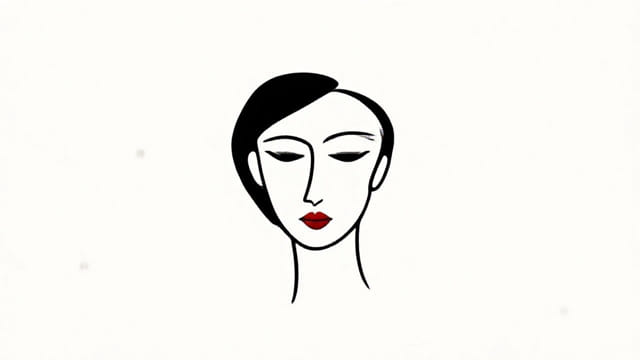
Amedeo Modigliani’s works hold a unique place in the history of modern art, marked by their unmistakable elegance, stylized forms, and emotional depth. Active in the early 20th century, Modigliani became known for his elongated portraits and nudes, which departed radically from academic norms and embraced a more expressive, personal style. Though he lived a short life, his body of work made a lasting impact on both the Parisian avant-garde and global art collectors. Exploring the oeuvre of Amedeo Modigliani reveals not only his visual trademarks but also his evolution as a painter and sculptor who followed his own creative path amid changing artistic movements.
The Early Artistic Vision
Roots in Livorno and Influence of Italian Renaissance
Born in Livorno, Italy, in 1884, Amedeo Modigliani was initially inspired by classical and Renaissance art. His early sketches and paintings show his admiration for figures like Botticelli and Giotto. This grounding in classical beauty remained present even in his modern, experimental works. The linear grace and sculptural feel in his paintings reflect his deep respect for form and composition.
Paris: Where His Style Took Shape
After moving to Paris in 1906, Modigliani became immersed in the bohemian life of Montmartre and Montparnasse. He encountered artists like Picasso, Brancusi, and Toulouse-Lautrec, but rather than follow Cubism or Fauvism, Modigliani pursued a distinct vision. The influence of African masks and sculptures became visible in his portraiture, especially in the simplification of faces and elongated necks.
Signature Elements of Modigliani’s Work
Elongated Faces and Figures
One of the most recognizable aspects of Modigliani’s paintings is the elongation of the human form. Whether painting nudes or clothed portraits, he frequently extended the neck, nose, and limbs, lending an otherworldly elegance to his subjects. This stylistic trait was not a distortion but rather a method of emphasizing grace and emotion over strict realism.
Almond Eyes and Mask-Like Features
Many of his subjects are portrayed with large, almond-shaped eyes often with one or both left blank, without pupils. This gave his portraits a sense of introspection and mystery. The mask-like faces and serene expressions suggested inner complexity and spiritual depth, distancing the viewer from traditional notions of personality or identity.
Key Paintings in Amedeo Modigliani’s Oeuvre
Jeanne Hébuterne Series
Jeanne Hébuterne was not only Modigliani’s muse but also the love of his life. He painted her repeatedly, capturing her quiet melancholy and poetic presence. One notable piece isPortrait of Jeanne Hébuterne (1918), where she is shown with an elongated neck, calm face, and muted color palette. These portraits are some of the most intimate and emotionally charged works in his collection.
Nude Series (1916-1919)
Perhaps his most controversial and celebrated works, Modigliani’s nudes broke with tradition by emphasizing sensuality without eroticism. Paintings likeNu couché(Reclining Nude) portray the female body with smooth, curved lines and rich, earthy tones. Displayed in his only solo exhibition during his lifetime in 1917, these works caused a public scandal due to their nudity but are now considered masterpieces of modern art.
Portrait of Pablo Picasso (1915)
Though he moved in similar artistic circles, Modigliani’s portrait of Picasso stands out for its subtle departure from the subject’s own angular style. The painting reflects a mixture of admiration and individuality. The stretched face, melancholic tone, and earthy colors contrast with the more abstract, fragmented methods of Picasso himself.
The Little Peasant (1918)
This portrait of a young boy exemplifies Modigliani’s focus on capturing the quiet dignity of his subjects. The elongated features remain, but the emphasis on emotion and simplicity gives the work a timeless quality. It reflects the artist’s ability to elevate everyday figures into icons of modern portraiture.
Modigliani as a Sculptor
Exploring Three-Dimensional Form
Between 1909 and 1914, Modigliani produced a series of sculptures, most of which are stylized busts and heads. Influenced heavily by African art and ancient Egyptian sculpture, these works echoed the mask-like quality seen in his paintings. Carved in stone, they feature elongated necks, smooth surfaces, and closed eyes, reinforcing themes of spiritual introspection.
Important Sculptural Works
- Head (T̻te)РA minimalist stone bust with smooth lines and a serene expression, evoking timeless beauty.
- Caryatid– Inspired by ancient Greek architecture, this series of female figures was meant to support buildings, symbolizing grace and endurance.
Though he abandoned sculpture due to poor health and financial difficulties, this period was crucial in shaping his approach to line, volume, and form.
Materials and Techniques
Oil on Canvas
Most of Modigliani’s paintings were executed in oil on canvas, using a muted palette dominated by ochres, reds, and earth tones. His brushwork was fluid and controlled, allowing for a clean application of form and shading. He often used a flat background to keep the viewer’s focus on the subject.
Line Drawing and Charcoal Sketches
Beyond paintings and sculpture, Modigliani produced numerous pencil and charcoal drawings. These minimalist pieces, often depicting nude or seated figures, show his sensitivity to line and proportion. His drawing style was elegant and economical, capturing form with a few deliberate strokes.
Legacy and Influence
Reception During His Lifetime
Modigliani struggled with health issues, poverty, and limited commercial success during his lifetime. His only solo exhibition in 1917 was shut down by police due to the nudity on display. However, he gained admiration among fellow artists and a few collectors who recognized his originality and talent.
Posthumous Recognition
After his death in 1920 at the age of 35, interest in Modigliani’s work grew rapidly. His paintings now command millions at international auctions and are held in major museums around the world. He is regarded as a singular voice in modern art one who bridged classical traditions with contemporary innovation.
Impact on Modern Portraiture
Modigliani’s influence is evident in the work of later artists who seek emotional expression over exact realism. His approach to form, especially in portraiture, has become a reference point for stylization and artistic license in capturing the human condition.
The works of Amedeo Modigliani stand as timeless examples of artistic individuality and emotional depth. From his sensual nudes to his haunting portraits, each piece carries a signature blend of elegance, introspection, and modern stylization. His elongated forms, serene expressions, and sculptural lines continue to resonate with audiences today. Though his life was brief, his contributions to modern art were profound, and his oeuvre remains a subject of admiration, study, and fascination across the art world.