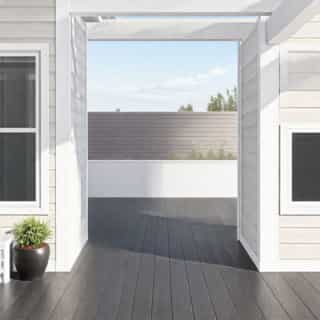
Choosing the right flooring for outdoor decks is crucial to ensure durability, functionality, and aesthetic appeal. Many homeowners today are considering outdoor linoleum as a practical alternative to traditional decking materials. While linoleum has long been used indoors due to its resilience and eco-friendly composition, innovations in materials and installation techniques have made outdoor linoleum for decks a viable option. Its versatility, low maintenance, and moisture-resistant properties make it particularly attractive for outdoor living spaces that are exposed to varying weather conditions.
Understanding Outdoor Linoleum
Outdoor linoleum is a specialized type of linoleum designed to withstand the challenges posed by external environments. Unlike traditional vinyl or plastic-based flooring, linoleum is made from natural components such as linseed oil, cork dust, and wood flour. This gives it a more environmentally sustainable profile while still offering the toughness required for high-traffic areas like decks and patios.
Key Properties of Outdoor Linoleum
- Water Resistance: Outdoor linoleum is treated to resist moisture, preventing it from warping or deteriorating when exposed to rain.
- UV Protection: Many outdoor linoleum products include UV-resistant coatings to reduce fading and maintain color vibrancy.
- Slip Resistance: The surface texture is designed to provide traction, reducing the risk of slips even when wet.
- Temperature Tolerance: It can endure both hot summers and cold winters without cracking or becoming brittle.
Benefits of Outdoor Linoleum for Decks
There are several reasons why outdoor linoleum is becoming a preferred choice among homeowners and contractors for decking projects. Its balance of durability and aesthetics makes it suitable for a wide range of applications, including poolside decks, balconies, patios, and rooftop terraces.
Eco-Friendly Composition
One of the biggest advantages of outdoor linoleum is its natural composition. Unlike synthetic flooring materials, linoleum is biodegradable and does not emit harmful volatile organic compounds (VOCs), making it a safer choice for both the environment and your household.
Low Maintenance Requirements
Decks made from wood often require regular sealing, staining, and cleaning. In contrast, outdoor linoleum only needs occasional mopping and can be easily cleaned with mild soap and water. This makes it ideal for busy homeowners looking for a hassle-free solution.
Variety of Designs
Modern outdoor linoleum comes in a wide array of colors, patterns, and textures that can mimic natural materials like wood or stone. This gives homeowners the flexibility to match their deck’s appearance with the overall aesthetic of their home.
Cost-Effectiveness
Compared to premium hardwood decking or composite boards, outdoor linoleum is relatively affordable. Its long lifespan and minimal maintenance needs also contribute to its overall cost-effectiveness over time.
Installation Process
Proper installation is essential to maximizing the lifespan and functionality of outdoor linoleum. While DIY installation is possible for experienced individuals, professional installation is generally recommended for best results.
Surface Preparation
Before laying outdoor linoleum, the deck surface must be clean, smooth, and dry. Any imperfections or debris can affect the final appearance and performance of the flooring. Plywood or cement board is often used as a base layer for stability.
Adhesion and Sealing
Special adhesives designed for outdoor use are applied to ensure the linoleum bonds securely to the substrate. Seams and edges are carefully sealed to prevent water infiltration. It’s also important to roll the linoleum to eliminate air pockets and ensure even adhesion.
Weather Considerations
Installation should be done during mild weather conditions. Avoid very hot or cold days as temperature fluctuations can affect how the material sets and adheres to the surface.
Maintenance Tips
While outdoor linoleum is designed to be low-maintenance, a few simple practices can extend its life and keep your deck looking its best.
- Clean spills promptly to prevent staining.
- Use mats or rugs in high-traffic areas to reduce wear.
- Sweep regularly to remove dirt and debris that can scratch the surface.
- Apply a protective finish every few years to maintain water resistance and luster.
Potential Drawbacks
Although outdoor linoleum has many benefits, it may not be suitable for every setting or user preference. It’s important to consider the potential downsides before making a final decision.
Limited Availability
Outdoor-specific linoleum products are less common than traditional decking materials, which means options may be limited depending on your location and supplier.
Surface Sensitivity
Sharp objects or dragging heavy furniture can damage the surface of linoleum, so care must be taken when moving items across the deck.
Color Fading Over Time
Even with UV protection, prolonged exposure to direct sunlight can cause some fading. Choosing lighter colors may help minimize this effect.
Comparing Outdoor Linoleum with Other Decking Materials
When selecting materials for outdoor decks, it’s helpful to compare outdoor linoleum with alternatives such as wood, composite, or concrete tiles.
Outdoor Linoleum vs. Wood
Wood offers a natural and traditional look but requires regular maintenance. Outdoor linoleum, in contrast, offers a similar aesthetic without the upkeep.
Outdoor Linoleum vs. Composite Decking
Composite materials are more weather-resistant and durable in the long term but can be more expensive. Linoleum is budget-friendly and eco-conscious, making it ideal for sustainable design goals.
Outdoor Linoleum vs. Concrete Tiles
Concrete is highly durable and great for heavy traffic, but it can be hard and cold underfoot. Linoleum offers a softer, warmer feel while still being functional and durable enough for daily use.
Outdoor linoleum for decks is an innovative and practical choice for those seeking a durable, eco-friendly, and visually appealing surface. While it may not yet be as widespread as traditional materials, it offers a compelling combination of benefits low maintenance, water resistance, and design versatility. Whether you’re upgrading an existing deck or starting a new outdoor project, considering outdoor linoleum as a flooring solution could provide long-term satisfaction and value. By understanding its features, proper installation, and maintenance practices, homeowners can make an informed decision that enhances their outdoor living space for years to come.