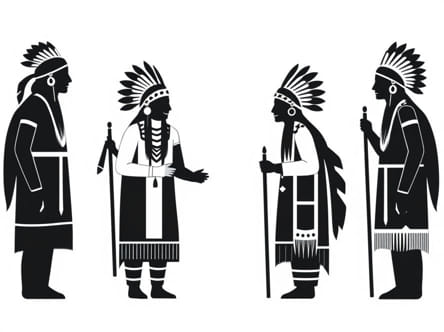
Pictures of Blackfeet Indians capture a vivid and meaningful portrayal of their cultural heritage, daily life, and historical presence. These visual records offer a powerful way to understand the traditions, clothing, ceremonies, and social structures of the Blackfeet people. Photographs from the 19th and early 20th centuries, along with modern depictions, serve as important tools for education and preservation. While photographs cannot replace the lived experiences of the people, they do provide a lasting impression of the tribe’s identity, resilience, and adaptability throughout generations.
Historical Photographs of the Blackfeet Tribe
Early photographs of Blackfeet Indians were taken by explorers, anthropologists, and military personnel in the late 1800s and early 1900s. These images offer a glimpse into how the Blackfeet lived during a time of dramatic change brought on by colonization, the reservation system, and westward expansion in the United States and Canada.
Common Themes in Historical Blackfeet Photography
- Tipis arranged in circles on the plains
- Elaborate headdresses made of eagle feathers
- Men and women in traditional buckskin clothing
- Scenes of daily activities like hunting, tanning hides, and preparing meals
- Children learning traditional practices
These early photos, often taken by outsiders, sometimes lacked context or depth. However, they remain valuable historical resources that can be reinterpreted with insight from Blackfeet descendants today.
Portrait Photography and Regalia
Portraits of Blackfeet Indians often focus on individuals dressed in ceremonial regalia. These pictures are deeply symbolic and communicate identity, spiritual beliefs, and tribal honor. Portraits of Blackfeet leaders, warriors, and medicine people help preserve their legacy.
Notable Visual Elements in Portraits
- Feathered warbonnets representing bravery and accomplishments
- Beaded necklaces and breastplates
- Painted faces used for ritual or symbolic purposes
- Fur-lined cloaks and bone ornaments
Regalia seen in these pictures are not costumes but sacred items passed through generations and used during special occasions such as powwows and spiritual ceremonies.
Photographers Who Captured Blackfeet Life
Several well-known photographers worked to document the lives of Native American tribes, including the Blackfeet. Their contributions vary in authenticity, but their archives remain important visual records.
Edward S. Curtis
Curtis is perhaps the most famous photographer of Native Americans. He took many staged yet powerful photographs of Blackfeet individuals during his early 20th-century expeditions. His images include portraits and community scenes, offering both romanticized and insightful perspectives.
Roland Reed
Another photographer, Roland Reed, sought to portray Native American life in an artistic and respectful manner. His images of the Blackfeet are known for their peaceful and naturalistic style.
Though created from a non-Native perspective, their collections help spark interest and scholarly discussion about the lives and struggles of the Blackfeet people.
Modern Depictions and Cultural Continuity
In contemporary times, members of the Blackfeet Nation have taken control of how their stories and images are shared. Today’s pictures are more than documentation they are declarations of survival, pride, and cultural revival.
Features of Modern Blackfeet Photography
- Powwows with vibrant dances and colorful regalia
- Youth participating in traditional and modern education
- Artisans creating beadwork, moccasins, and drums
- Blackfeet elders sharing stories and knowledge
Photographs taken by Native photographers highlight the importance of cultural ownership. These images reflect a more accurate and self-defined narrative of the Blackfeet experience.
Ceremonial and Spiritual Imagery
Photos of Blackfeet ceremonies offer a window into the tribe’s rich spiritual life. Ceremonies such as the Sun Dance, sweat lodge rituals, and other tribal gatherings are central to maintaining spiritual harmony and cultural identity.
Visual Aspects of Ceremonial Life
- Gatherings around sacred fires and medicine circles
- Use of smudge sticks and eagle feathers in prayer
- Painted drums, rattles, and other ceremonial tools
- Vivid regalia worn for specific spiritual purposes
Such photos are often taken with great care and with permission, as many ceremonies are considered sacred and private. They are used not only for documentation but also for education within the community.
Blackfeet Landscape and Place-Based Photography
Photographs of the land where the Blackfeet live are just as important as pictures of people. The environment is deeply connected to Blackfeet identity and spirituality. Images of the plains, mountains, rivers, and sacred sites help tell the full story.
Iconic Natural Features in Blackfeet Territory
- Rocky Mountain Front and Glacier National Park
- Chief Mountain, a sacred site for spiritual journeys
- Great Plains grasslands where bison once roamed freely
Pictures of these landscapes evoke the deep bond between the Blackfeet and the land that has supported them for centuries.
Educational and Museum Collections
Numerous museums, archives, and cultural institutions hold photo collections of Blackfeet Indians. These collections are used for research, exhibitions, and public education. Many tribal members are involved in curating these exhibits to ensure respectful and accurate representation.
Common Themes in Archival Collections
- Family life and intergenerational learning
- Traditional crafts and material culture
- Historical resistance and treaties
By preserving both historical and contemporary photos, these institutions contribute to keeping the memory and identity of the Blackfeet tribe alive.
Pictures of Blackfeet Indians are far more than visual records they are reflections of a vibrant culture that has endured despite colonization, forced assimilation, and displacement. From early portrait photography to modern digital storytelling, these images capture the resilience, beauty, and strength of the Blackfeet people. By preserving and respecting these pictures, we also preserve a piece of American history that is essential to understanding Indigenous heritage and cultural survival. Through the lens of photography, the story of the Blackfeet continues to inspire and educate future generations.