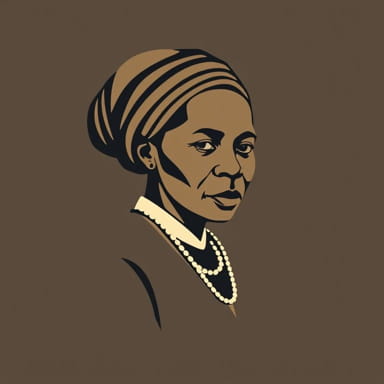
Born into the brutal reality of slavery, Harriet Tubman began her life in a place that would ultimately become a symbol of both hardship and remarkable courage. Her birthplace, located in the heart of Maryland’s Eastern Shore, significantly shaped her experience and her path toward becoming one of the most celebrated figures in American history. Understanding the place of birth of Harriet Tubman is essential to grasp the environment that forged her indomitable spirit and lifelong dedication to the cause of freedom.
The Eastern Shore of Maryland
Harriet Tubman was born around March 1822 in Dorchester County, Maryland, a region located on the Eastern Shore of the state. This rural area was marked by sprawling fields, dense forests, and tidal wetlands. During Tubman’s childhood, the area was heavily dependent on agriculture and slave labor. The landscape, while beautiful in its natural form, was tainted by the realities of forced servitude that defined the lives of many African Americans in the region.
More specifically, Tubman was born near the small community of Bucktown, though the exact location of her birth is debated by historians. What is generally agreed upon is that she was born on a plantation owned by Anthony Thompson, near the Blackwater River. Her birth name was Araminta Ross, and she was one of nine children born to Harriet Rit Green and Ben Ross, both enslaved individuals.
Conditions of Life in Dorchester County
The conditions Harriet Tubman faced as a child in Dorchester County were harsh and unforgiving. Life for enslaved people in the early 19th century Maryland was filled with physical labor, inadequate food, poor shelter, and the constant threat of being sold away from family members. Tubman witnessed these cruelties firsthand and experienced them personally. She was subjected to long hours of work, even as a child, and was hired out to other households for labor, sometimes under brutal conditions.
- Children, including Tubman, began working as early as age five or six.
- Slavery in Dorchester County was slightly different than in the Deep South, yet equally oppressive.
- Many enslaved people were rented out to other families, as Tubman often was, which further disrupted family ties.
Despite the hardships, the surrounding natural environment would later become an asset to Tubman during her daring escapes and rescue missions. The forests and wetlands of Maryland became familiar terrain that she would later navigate expertly during her work with the Underground Railroad.
Family and Roots in Maryland
Tubman’s family had deep roots in Maryland. Her mother, Rit, was owned by Mary Pattison Brodess, while her father, Ben, worked as a skilled woodsman on a nearby plantation owned by Anthony Thompson. Though Tubman’s parents were from different plantations, their connection remained strong and grounded Tubman in a sense of identity and resilience. Her early years were shaped by the stories, songs, and oral traditions passed down by her family, which contributed to her strong faith and sense of purpose later in life.
Religious and Cultural Influence
Growing up in the deeply religious African American slave community of the Eastern Shore, Tubman developed a strong spiritual foundation. Her belief in God would become a central part of her identity and a driving force behind her actions. She often said that her visions and dreams, which she considered divine revelations, guided her missions. This spiritual background was rooted in the religious practices of enslaved people in Dorchester County, many of whom blended African traditions with Christian beliefs.
Historical Context of Tubman’s Birthplace
At the time of Tubman’s birth, Maryland was a slave state with a complex position on slavery. While it remained loyal to the Union during the Civil War, slavery was deeply entrenched in its economy and society. The proximity of Maryland to free states like Pennsylvania created a unique dynamic enslaved people often dreamed of escape across the Mason-Dixon line, and some, like Tubman, succeeded. Dorchester County, specifically, was both a place of enslavement and, ironically, the starting point for Tubman’s courageous path to freedom and activism.
Significance of Dorchester County in Tubman’s Life
The physical and social geography of Dorchester County played a critical role in shaping Tubman’s later achievements:
- The Blackwater River and surrounding marshes provided cover during escape missions.
- The agricultural economy highlighted the disparities between the enslaved and the landowners.
- The location near the Mason-Dixon line made it a launching point for escape to the North.
These features of her birthplace would later prove essential in Tubman’s role as a conductor of the Underground Railroad. She understood the terrain intimately and used that knowledge to guide over 70 individuals to freedom.
The Harriet Tubman Underground Railroad National Historical Park
Today, Tubman’s place of birth is honored through the Harriet Tubman Underground Railroad National Historical Park. Located in Dorchester County, this park preserves the landscape and historical context of her early life. Visitors can explore the area where she lived and worked and reflect on the bravery and resilience she demonstrated. The park helps to interpret the historical significance of Maryland’s Eastern Shore in Tubman’s journey and in the broader narrative of American history.
Preservation and Legacy
Preserving Tubman’s birthplace serves as a powerful reminder of the enduring impact of her legacy. It not only commemorates her life but also educates future generations about the conditions that she and so many others endured. The historical park allows people to connect more deeply with the struggles and triumphs of the Underground Railroad, as well as the landscape that nurtured one of the most iconic figures in American civil rights history.
The Roots of a Hero
Understanding the place of birth of Harriet Tubman goes beyond geography; it provides insight into the early influences that shaped her strength, courage, and determination. Dorchester County, Maryland, though a place of enslavement and oppression, became the soil from which her remarkable character grew. The natural features, the hardships, and the spiritual culture of her birthplace all contributed to the formation of a woman who would risk her life countless times to bring freedom to others.
Harriet Tubman’s story begins in a quiet, rural part of Maryland, but her legacy resonates across the world. The fields and forests of the Eastern Shore stand as silent witnesses to the early life of a woman whose footsteps helped lead a nation toward liberty and justice. Remembering her birthplace is not just a historical act it is a celebration of the resilience of the human spirit.