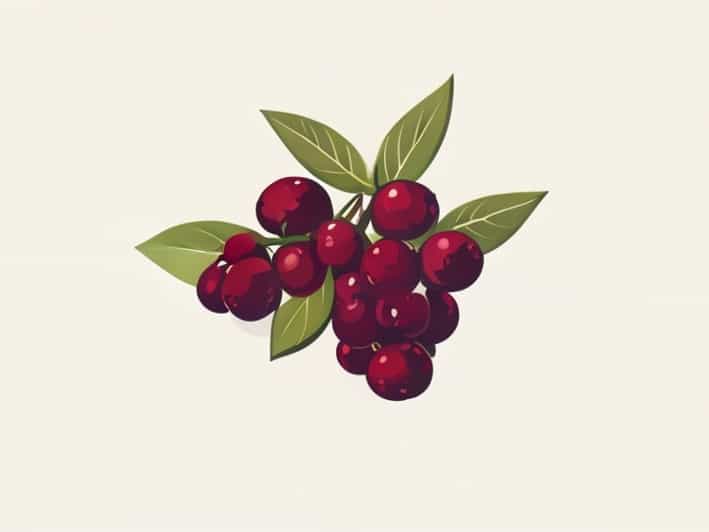
St. John’s Wort is a well-known plant celebrated for its medicinal properties, particularly in herbal remedies for mild depression and wound healing. However, while its flowers and leaves are commonly used in traditional medicine, the berries of St. John’s Wort can be toxic and pose a risk if ingested. Understanding the poisonous nature of St. John’s Wort berries is essential for gardeners, herbalists, pet owners, and anyone who encounters this plant in the wild. Knowledge of their toxic effects, symptoms of poisoning, and proper safety precautions can prevent accidental ingestion and ensure safe interaction with this otherwise beneficial plant.
Overview of St. John’s Wort
St. John’s Wort, scientifically known as Hypericum perforatum, is a perennial herb that grows in temperate regions around the world. It is easily recognizable by its bright yellow flowers and small, oval leaves that contain tiny transparent dots. While the plant has long been used in herbal medicine, every part of it is not equally safe. The berries, in particular, contain compounds that can be harmful when consumed by humans or animals.
Identification of St. John’s Wort Berries
St. John’s Wort berries are typically small, oval, and can range in color from green to reddish as they mature. Unlike the flowers and leaves, which are more frequently harvested for herbal remedies, the berries are less commonly used and are considered inedible. Proper identification is critical, especially for children or pets who might mistake the berries for safe fruits. The berries often appear in clusters near the flowering parts of the plant and may attract wildlife, though some animals can tolerate them while humans cannot.
Poisonous Compounds in the Berries
The toxicity of St. John’s Wort berries comes from naturally occurring compounds such as hypericin and hyperforin, which are present in varying concentrations throughout the plant. While these compounds can have beneficial effects in controlled dosages through leaves and flowers, the berries contain higher concentrations that can lead to adverse reactions if ingested. Ingesting even a few berries can cause a range of symptoms in sensitive individuals.
Symptoms of Poisoning
Consumption of St. John’s Wort berries can result in several symptoms, which may vary depending on the amount ingested, the age of the person or animal, and individual sensitivity. Common symptoms include
- Nausea and vomiting
- Diarrhea or stomach cramps
- Fatigue or lethargy
- Increased sensitivity to sunlight (photosensitivity)
- Dizziness or headache
- Rapid heartbeat in severe cases
In extreme situations, consuming large quantities of the berries can result in more serious complications, making it critical to seek medical attention if ingestion occurs.
Risks to Children and Pets
Children and pets are particularly at risk because they may be attracted to the bright, colorful berries. Accidental ingestion can occur in homes, gardens, or parks where St. John’s Wort grows naturally. Pet owners should be aware that dogs, cats, and livestock can experience poisoning symptoms similar to humans, including digestive upset and lethargy. Preventative measures, such as fencing off areas with wild St. John’s Wort or educating children about not eating unknown berries, are crucial to avoiding accidental poisoning.
Handling and Safety Precautions
Proper handling of St. John’s Wort plants, especially when berries are present, reduces the risk of accidental ingestion. Some recommended safety practices include
- Wearing gloves when harvesting or trimming the plant
- Keeping children and pets away from areas with berry clusters
- Educating household members about the plant’s toxic parts
- Disposing of fallen berries carefully to prevent accidental consumption
- Using caution when planting St. John’s Wort near areas frequented by children or pets
Medicinal Use vs. Toxicity
It is important to distinguish between the medicinal use of St. John’s Wort and the toxicity of its berries. The flowers and leaves are typically processed into teas, capsules, or tinctures under controlled conditions, with measured doses to ensure safety. In contrast, the berries are not used in mainstream herbal medicine due to their unpredictable concentrations of toxic compounds. Understanding this distinction helps prevent confusion and misuse of the plant for home remedies.
What to Do in Case of Ingestion
If someone accidentally consumes St. John’s Wort berries, immediate action is essential. Steps include
- Identifying the plant and confirming the berries have been ingested
- Contacting a healthcare professional or poison control center promptly
- Monitoring for symptoms such as vomiting, diarrhea, or photosensitivity
- Seeking emergency care if severe symptoms such as rapid heartbeat or extreme fatigue occur
Early intervention can prevent complications and reduce the severity of poisoning.
Environmental and Ecological Considerations
St. John’s Wort is not only a concern for human and pet safety but also has ecological impacts. In some regions, it is considered an invasive species, spreading quickly and outcompeting native plants. While birds and certain wildlife may eat the berries without harm, humans and domesticated animals remain at risk. Gardeners and land managers should balance the plant’s medicinal benefits with the potential dangers of its berries, taking steps to control its spread and prevent accidental ingestion.
St. John’s Wort is a valuable plant for its medicinal properties, but its berries pose significant toxic risks if ingested. Awareness of the poisonous nature of the berries, understanding the symptoms of poisoning, and practicing safety precautions are essential for anyone interacting with this plant. Proper education, careful handling, and vigilance around children and pets can prevent accidental ingestion and ensure safe enjoyment of the plant’s many benefits. By distinguishing between the medicinal uses of flowers and leaves and the toxicity of berries, individuals can safely incorporate St. John’s Wort into their gardens or herbal practices while avoiding unnecessary health risks.