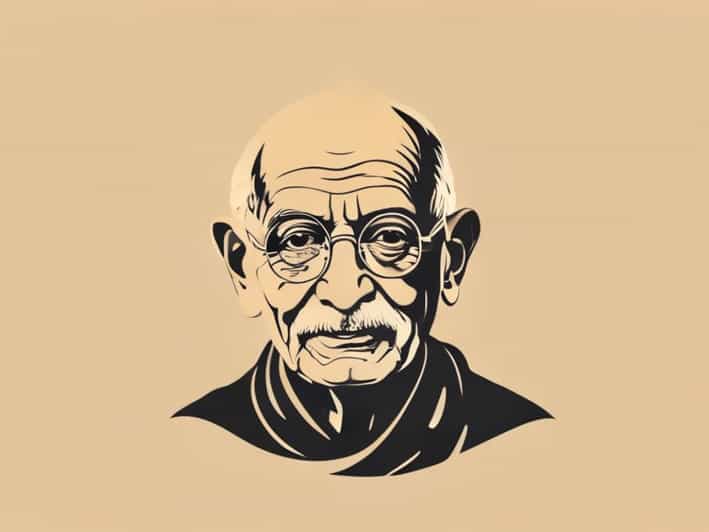
Mahatma Gandhi, one of the most influential leaders in modern history, is often celebrated for his philosophy of nonviolence and his unwavering commitment to truth. While Gandhi’s principles and leadership are widely studied, less attention is given to the individuals who shaped his political thought during his formative years. Among these figures, his political guru played a crucial role in guiding Gandhi’s understanding of social justice, civil rights, and nonviolent resistance. Exploring the influence of Gandhi’s political mentor provides insight into how he developed the strategies that would later lead India to independence and inspire movements worldwide.
The Early Political Influences on Gandhi
Before becoming a leader of global renown, Gandhi’s early life was marked by exposure to diverse political ideas. Born in 1869 in Porbandar, India, Gandhi studied law in London and later practiced in South Africa, where he experienced racial discrimination firsthand. These experiences heightened his awareness of social injustice and shaped his desire to challenge oppressive systems. However, it was his encounters with seasoned political thinkers and activists that honed his skills in political strategy and public mobilization. Gandhi’s political guru acted as a mentor, providing guidance, critical feedback, and philosophical grounding that deeply influenced his methods.
Role of the Political Guru
A political guru in Gandhi’s life served multiple roles. Primarily, this mentor offered intellectual guidance, helping Gandhi understand the nuances of power, governance, and civil disobedience. Beyond theoretical knowledge, the guru also provided practical advice on organizing communities, negotiating with authorities, and sustaining movements without resorting to violence. This mentorship was instrumental in shaping Gandhi’s ability to think strategically while remaining morally principled. The political guru encouraged Gandhi to view activism not merely as protest but as a disciplined, ethical pursuit aimed at societal transformation.
Key Philosophical Lessons
The political teachings imparted to Gandhi emphasized the importance of ethics in politics, particularly the integration of nonviolence and truth. Gandhi’s mentor stressed that political action should not compromise moral principles, a lesson that became central to Gandhi’s philosophy of Satyagraha. The concept of Satyagraha-holding firmly to truth while resisting oppression-was influenced by these early discussions and teachings. Gandhi learned that sustainable social change required both moral authority and strategic planning, a combination that would define his approach to political campaigns in South Africa and India.
Influence on Civil Rights Activism in South Africa
During Gandhi’s time in South Africa, he confronted systemic discrimination against the Indian community. The guidance of his political guru was evident as Gandhi organized protests, negotiated with authorities, and mobilized the community for collective action. The principles learned from his mentor allowed Gandhi to maintain nonviolent discipline even under harsh repression, earning respect for the Indian struggle and setting a precedent for future movements. The success of these early campaigns demonstrated the effectiveness of combining ethical principles with pragmatic political tactics.
Lessons on Leadership and Organization
Gandhi’s political guru also taught him crucial lessons in leadership and organizational management. Effective leadership, the guru emphasized, required empathy, patience, and the ability to inspire others. Gandhi learned to listen to diverse perspectives, address grievances, and foster unity within the community. Organizational strategies, such as forming local committees, coordinating communication, and structuring campaigns for maximum impact, were introduced to Gandhi during this period. These skills would later be pivotal in the Indian independence movement, where mass participation and disciplined coordination were essential.
Strategic Nonviolence and Public Persuasion
Another critical area of influence was the use of nonviolence as a strategic tool for political persuasion. Gandhi’s guru encouraged him to view nonviolent resistance not only as a moral stance but also as an effective strategy to win public support and international attention. By maintaining nonviolence, Gandhi’s movements gained legitimacy and moral authority, compelling oppressors to respond with concessions. This strategic use of ethics in politics became a hallmark of Gandhi’s campaigns, demonstrating how the teachings of a political mentor could translate into transformative action on a national scale.
Legacy of the Political Guru in Gandhi’s Work
The influence of Gandhi’s political guru extended far beyond his early years. The principles, strategies, and ethical framework imparted by this mentor shaped Gandhi’s approach to the Indian independence movement and his broader philosophy of social reform. Gandhi’s insistence on truth, nonviolence, and moral responsibility in political life reflects the enduring impact of his mentor’s guidance. Furthermore, Gandhi’s success inspired other global leaders, including Martin Luther King Jr. and Nelson Mandela, who adapted his methods for their own struggles against injustice.
Key Contributions of the Guru’s Guidance
- Emphasis on ethical conduct and moral integrity in political action.
- Development of strategic thinking and disciplined activism.
- Training in leadership, community mobilization, and negotiation.
- Integration of nonviolent resistance as both moral and practical strategy.
- Preparation for navigating complex social and political challenges.
The role of a political guru in Mahatma Gandhi’s life was pivotal in shaping his understanding of power, ethics, and leadership. Through guidance, mentorship, and practical advice, Gandhi learned how to combine moral principles with strategic action, laying the foundation for his future successes. The teachings of his political mentor influenced every aspect of Gandhi’s approach, from civil rights activism in South Africa to the mass movements that ultimately led to Indian independence. By studying the relationship between Gandhi and his political guru, we gain deeper insight into the formation of one of the most influential leaders in history and the enduring principles that continue to inspire movements for justice around the world.