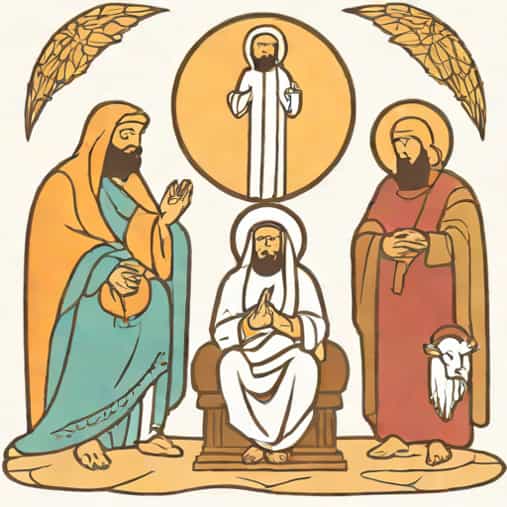
The coming of Jesus Christ is a central theme in the Bible, and many prophets foretold His arrival hundreds of years before He was born. These prophets delivered messages from God, often describing the Messiah’s nature, purpose, and the circumstances of His birth. Their prophecies were recorded in the Old Testament and became evidence for believers that Jesus was the fulfillment of God’s promise to redeem humanity. Studying these prophets and their messages offers a deeper understanding of the continuity of God’s plan and the significance of Jesus’ life and ministry.
The Role of Prophets in Foretelling the Messiah
Prophets in the Bible were chosen to convey God’s messages to His people. They often spoke about the present circumstances of Israel, but many of their prophecies looked forward to the coming of the Messiah. These foretellings were not random predictions; they were divinely inspired revelations designed to prepare the people for the arrival of Jesus Christ.
Why Prophecies Were Important
Prophecies served multiple purposes they provided hope to the faithful, warned of judgment for disobedience, and outlined God’s plan for salvation. By foretelling the coming of Jesus, prophets connected generations of believers to God’s ultimate purpose. They created a framework in which the arrival of the Messiah could be recognized and understood.
Isaiah The Prophet of the Suffering Servant
Isaiah is perhaps the most well-known prophet who foretold the coming of Jesus. He spoke extensively about the Messiah’s life, suffering, and ultimate role in salvation. Among the most famous passages are Isaiah 714, which predicts a virgin giving birth, and Isaiah 96, which describes the child as Wonderful Counselor, Mighty God, Everlasting Father, Prince of Peace.
The Suffering Servant Prophecies
Isaiah 53 provides a detailed picture of the suffering servant, describing one who would be despised, rejected, and wounded for the sins of humanity. Christians interpret this passage as a direct prophecy of Jesus’ crucifixion and atoning sacrifice. Isaiah’s words offer insight into the Messiah’s role in reconciling humanity with God.
Micah The Prophet of the Birthplace
Micah predicted the exact location of the Messiah’s birth. In Micah 52, he wrote that a ruler of Israel would come from Bethlehem, a small town in Judah. This prophecy was fulfilled when Jesus was born in Bethlehem, as recorded in the New Testament.
Significance of the Birthplace Prophecy
This prophecy emphasizes God’s sovereignty and His ability to fulfill promises with precision. By specifying the birthplace, God demonstrated that the Messiah’s arrival was intentional and aligned with divine plans, reinforcing the authenticity of Jesus’ identity as the promised Savior.
Daniel The Prophet of Timing
Daniel provided prophecies concerning the timeline of the Messiah’s coming. In Daniel 924-27, he outlines the period leading to the arrival of an anointed one, often interpreted as the Messiah. Daniel’s prophecy emphasizes the exactness and predictability of God’s plan, showing that Jesus’ coming was not random but part of a divine schedule.
Messianic Timeline
Daniel’s vision includes references to seventy weeks and events leading to the Messiah’s ministry. This timeline helped future generations recognize Jesus’ appearance as the fulfillment of prophecy, providing historical context to the New Testament accounts.
Jeremiah The Prophet of the Righteous Branch
Jeremiah foretold that a righteous branch would come from David’s line to reign wisely and justly. In Jeremiah 235-6, he describes a king who would rule with righteousness and bring salvation to Judah. Christians see this prophecy as a reference to Jesus’ lineage, linking Him to the royal line of David.
Connection to David’s Lineage
By emphasizing the Davidic lineage, Jeremiah reinforced the continuity of God’s covenant with Israel. Jesus’ birth into David’s line confirmed these prophecies and fulfilled the long-awaited promise of a righteous ruler who would bring redemption.
Zechariah The Prophet of the Humble King
Zechariah predicted aspects of Jesus’ ministry and His manner of entry into Jerusalem. In Zechariah 99, the prophet described a king coming to Zion righteous and having salvation, gentle and riding on a donkey. This prophecy was fulfilled during Jesus’ triumphal entry, as recorded in the Gospels.
Symbolism of the Humble King
The prophecy highlights the contrast between earthly and divine leadership. Unlike powerful earthly kings, the Messiah would demonstrate humility and peace, emphasizing spiritual rather than political authority.
Other Prophets Who Foretold the Messiah
Several other prophets contributed to the body of messianic prophecy. Their words add layers of meaning and detail about the coming Savior. These include
- Hosea Foretold the salvation and restoration that the Messiah would bring to Israel.
- Malachi Predicted the coming of a messenger who would prepare the way for the Lord, interpreted as John the Baptist in relation to Jesus.
- Psalmists Several psalms, including Psalm 22, describe suffering, mockery, and victory, which Christians see fulfilled in Jesus’ life and crucifixion.
Importance of Multiple Prophets
The consistency across different prophets demonstrates the reliability of God’s promises. Each prophet adds unique details, building a comprehensive picture of the Messiah’s life, mission, and impact.
Fulfillment of Prophecies in the New Testament
The Gospels frequently reference these prophecies to show that Jesus’ life, death, and resurrection were in line with God’s promises. Matthew, Luke, John, and Mark often point back to Isaiah, Micah, and other prophets to validate Jesus’ identity as the Messiah.
Evidence for Faith
The fulfillment of these prophecies provides a foundation for Christian belief. They serve as evidence that God’s plan for salvation through Jesus was intentional, foreseen, and revealed over centuries through His prophets.
Lessons from Prophetic Foretelling
Studying the prophets who foretold the coming of Jesus offers several lessons for believers today. It shows the importance of faith in God’s promises, the continuity of His plan, and the significance of recognizing God’s work in history.
- Faith Trusting God even when fulfillment seems distant.
- Hope Prophecies gave hope to people under difficult circumstances.
- Preparation God prepares hearts and societies for His purposes.
- Discernment Recognizing God’s hand in historical and spiritual events.
The Unified Message of the Prophets
The prophets of the Old Testament collectively pointed to the coming of Jesus Christ, each offering a unique aspect of His life and mission. Isaiah emphasized His suffering and redemption, Micah predicted His birthplace, Daniel outlined the timing, Jeremiah confirmed His royal lineage, and Zechariah highlighted His humility and peace. Other prophets added further layers of insight, creating a rich and consistent portrayal of the Messiah.
Understanding these prophets and their messages deepens appreciation for God’s plan and the fulfillment of His promises. For believers, these prophecies serve as a reminder of God’s faithfulness, the importance of listening to His word, and the hope that comes from knowing His promises are trustworthy and eternal.