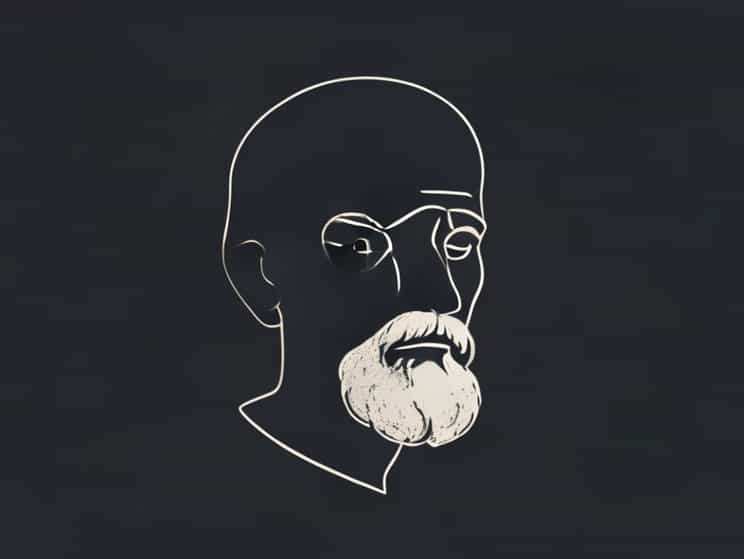
Sigmund Freud, an Austrian neurologist and founder of psychoanalysis, revolutionized the understanding of the human mind and behavior with his psychoanalytic theory. This theory delves deeply into the unconscious mind, highlighting how unconscious desires, childhood experiences, and internal conflicts shape personality and influence human behavior. Freud’s ideas have had a profound impact not only on psychology but also on literature, art, and cultural studies, making the psychoanalytic approach a cornerstone of modern psychological thought. By exploring unconscious motives and early developmental stages, Freud provided a framework to understand mental health, emotional development, and even social interactions.
Foundations of Freud’s Psychoanalytic Theory
Freud’s psychoanalytic theory is grounded in the belief that much of human behavior is influenced by unconscious processes. He proposed that the mind is structured into three main components the id, ego, and superego, each with distinct roles and functions. These components interact dynamically, creating inner conflicts that manifest in thoughts, emotions, and behaviors.
The Id
The id represents the most primitive part of the mind. It is entirely unconscious and operates based on the pleasure principle, seeking immediate gratification of basic drives and instincts, such as hunger, thirst, and sexual desire. The id does not consider reality or societal norms, focusing solely on satisfying needs and desires.
The Ego
The ego develops as a mediator between the id and the external world. It operates on the reality principle, taking into account the practical and socially acceptable ways to satisfy the id’s impulses. The ego helps balance instinctual drives with moral constraints and realistic considerations, playing a crucial role in conscious decision-making and problem-solving.
The Superego
The superego represents the internalized moral standards and societal rules acquired from parents and culture. It functions to enforce ethical behavior and guilt when one’s actions or thoughts deviate from these standards. The superego operates largely unconsciously but strongly influences feelings of pride, shame, and moral judgment.
Psychosexual Stages of Development
Freud proposed that personality development occurs through a series of psychosexual stages, each characterized by a focus on specific erogenous zones. Successful navigation of these stages is crucial for healthy personality development, while fixation or unresolved conflicts can lead to psychological difficulties later in life.
Oral Stage (0-1 year)
The oral stage centers on the mouth as the primary source of pleasure, with infants deriving satisfaction from sucking, biting, and breastfeeding. Fixation at this stage may result in behaviors related to dependency, oral habits, or issues with trust and self-esteem in adulthood.
Anal Stage (1-3 years)
The anal stage focuses on bowel and bladder control. Children gain pleasure from controlling elimination, and parental guidance plays a critical role in shaping behavior. Fixation can lead to traits such as excessive orderliness, rigidity, or, conversely, messiness and rebellion.
Phallic Stage (3-6 years)
During the phallic stage, the focus shifts to the genitals. Children develop sexual feelings toward the opposite-sex parent, a concept famously known as the Oedipus complex in boys and the Electra complex in girls. Resolution of these complexes contributes to gender identity and the development of the superego.
Latency Stage (6 years-puberty)
The latency stage involves a period of relative calm, during which sexual impulses are dormant. Children focus on social interactions, learning, and skill development. This stage is important for the formation of friendships and the consolidation of previously acquired behavioral norms.
Genital Stage (puberty onward)
The genital stage marks the onset of puberty and the maturation of sexual interests. Successful navigation of earlier stages allows for healthy romantic relationships, empathy, and productive social engagement. Individuals who have resolved prior conflicts are better able to form stable adult relationships and pursue life goals.
Defense Mechanisms
Freud identified defense mechanisms as unconscious strategies employed by the ego to manage anxiety and conflict between the id, ego, and superego. These mechanisms protect individuals from psychological distress but may also distort reality. Some commonly recognized defense mechanisms include
- RepressionBlocking distressing thoughts or memories from conscious awareness.
- DenialRefusing to accept reality or facts that are uncomfortable.
- ProjectionAttributing one’s own unacceptable feelings to others.
- RationalizationCreating logical explanations to justify unacceptable behavior.
- DisplacementRedirecting emotions from a threatening target to a safer one.
- RegressionReverting to behaviors characteristic of an earlier stage of development under stress.
Applications of Psychoanalytic Theory
Freud’s psychoanalytic theory has been applied in various domains, particularly in psychotherapy. Psychoanalytic therapy aims to bring unconscious thoughts and conflicts into conscious awareness, allowing individuals to understand and resolve deep-seated issues. Techniques such as free association, dream analysis, and transference interpretation are commonly used to uncover hidden motives and emotions.
Psychotherapy
In psychoanalytic therapy, patients are encouraged to speak freely about their thoughts, feelings, and memories. Therapists analyze patterns and symbolic content to gain insight into unconscious conflicts. The ultimate goal is to promote self-awareness, reduce psychological distress, and facilitate healthier coping mechanisms.
Influence on Modern Psychology
While some aspects of Freud’s theory have been criticized or revised, the foundational concepts of the unconscious mind, internal conflicts, and the importance of early experiences continue to influence modern psychology. Contemporary approaches, such as psychodynamic therapy, build upon Freud’s ideas while integrating empirical research and new techniques.
Criticisms of Freud’s Psychoanalytic Theory
Freud’s psychoanalytic theory has faced criticism for various reasons, including its emphasis on sexuality, perceived lack of scientific rigor, and reliance on case studies. Critics argue that many of Freud’s concepts are difficult to test empirically and may not be universally applicable. Despite these criticisms, the theory remains influential, particularly in understanding personality, motivation, and therapeutic approaches.
Scientific Limitations
Freud’s methods were largely qualitative and anecdotal, making reproducibility and empirical validation challenging. Modern psychology emphasizes evidence-based practices, which has led to adaptations and revisions of psychoanalytic concepts to meet contemporary scientific standards.
Cultural and Gender Bias
Freud’s theories were developed in a specific cultural and historical context, leading to potential biases in understanding gender roles and societal norms. Concepts such as the Electra complex have been debated for their applicability across diverse cultures.
Legacy of Sigmund Freud
Despite controversies, Freud’s psychoanalytic theory has left a lasting legacy in psychology, psychiatry, and broader cultural discourse. His exploration of the unconscious, defense mechanisms, and early developmental stages provides valuable insight into human behavior. Many therapeutic techniques and psychological frameworks today owe their origins to Freud’s pioneering work, and his ideas continue to inspire debate, research, and application in clinical practice.
Sigmund Freud’s psychoanalytic theory remains a cornerstone of psychological thought, offering a profound understanding of the unconscious mind and its impact on human behavior. By exploring the id, ego, and superego, psychosexual development, and defense mechanisms, Freud provided a framework that helps explain complex emotions, motivations, and personality traits. Although modern psychology has evolved with new research and methods, the foundational principles of psychoanalysis continue to influence therapy, mental health treatment, and our broader understanding of human nature. Emphasizing the significance of unconscious processes and early experiences, Freud’s theory remains relevant in both clinical practice and academic discourse, demonstrating the enduring power of his insights into the human psyche.