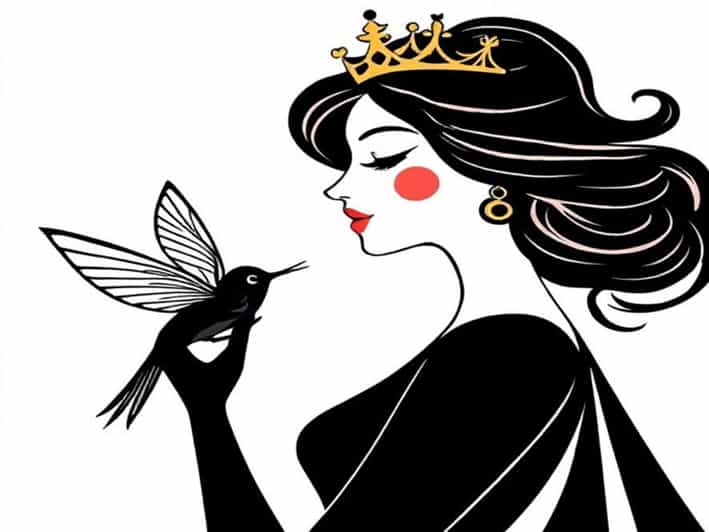
The tale of a queen entangled in a flirtation with a notorious philanderer has captured the imagination of historians and storytellers alike. Such stories, whether grounded in historical events or colored by rumor, reflect the intricate interplay of power, passion, and politics within royal courts. When a queen becomes involved with a man known for his charm, deceit, and scandalous affairs, the consequences can ripple through the court, influencing alliances, reputations, and even governance. Examining these episodes reveals not only the personal dynamics of royalty but also the societal expectations, gender roles, and moral judgments of the time, providing a fascinating lens into history and human behavior.
Historical Context of Royal Affairs
Throughout history, royal courts have often been arenas of intrigue, where personal relationships intersected with political maneuvering. Queens, while often bound by strict protocols and public expectations, were not immune to the complexities of desire and social engagement. A queen’s flirtation with a philanderer could be seen as both a personal indulgence and a potential political act. Philanderers, typically men renowned for their charisma and skill in courtly manners, could manipulate such interactions to their advantage, gaining influence, favor, or material gain. Understanding the broader context of court life helps explain why such liaisons were both sensationalized and feared.
Motivations Behind the Flirtation
The reasons a queen might engage in flirtatious behavior with a philanderer vary, ranging from genuine affection to political strategy. In some cases, the queen may have sought companionship and emotional connection that was difficult to find in the confines of royal protocol. In others, flirtation could serve as a subtle method of testing loyalties or securing alliances within the court. For the philanderer, the interaction often offered opportunities for social climbing, access to resources, or simply the thrill of conquest. The delicate balance between personal desire and political calculation was a constant tension in these relationships.
Consequences for Court and Kingdom
A queen’s flirtation with a known philanderer could have significant implications beyond personal scandal. Royal courts were highly sensitive to reputation, and even rumors could affect public perception, diplomatic relations, and internal power structures. Nobles, advisors, and foreign diplomats might leverage such information to advance their own agendas or destabilize rivals. In extreme cases, the flirtation could lead to political maneuvering, forced marriages, or even conspiracies to undermine the queen’s authority. Historical accounts often highlight how a seemingly private relationship could become a matter of state, demonstrating the blurred lines between personal life and political responsibility in monarchy.
Public Perception and Gossip
Public reaction to a queen’s involvement with a philanderer often reflected societal norms and moral expectations. Courtiers and commoners alike were quick to pass judgment, with gossip serving as a vehicle for both amusement and cautionary tales. In some instances, satirical literature, pamphlets, or visual arts depicted the flirtation, cementing it in cultural memory. Historians note that these perceptions were rarely neutral; they could enhance the queen’s allure while simultaneously questioning her virtue and judgment. The philanderer’s reputation, already marked by charm and scandal, often intensified the public fascination with the relationship.
Famous Examples in History
History records several queens whose romantic entanglements with philanderers generated considerable intrigue. While specific details are often subject to debate or myth, recurring patterns emerge queens seeking emotional connection or adventure, philanderers leveraging charisma and influence, and courts responding with a mixture of fascination and alarm. These episodes provide insight into gender dynamics, power relations, and the ways personal relationships could affect political decisions. Such examples illustrate the enduring interplay between romance, reputation, and governance in monarchical societies.
Strategies Employed by Philanderers
Philanderers were adept at navigating the complexities of courtly life, employing charm, wit, and social intelligence to win favor. They understood how to engage a queen’s attention without overstepping boundaries that could provoke scandal or retaliation. Subtle gestures, clever conversation, and displays of loyalty were common tactics. In return, queens had to balance their curiosity or affection with caution, recognizing the potential risks to their status and authority. This delicate dance of attraction and restraint defined many famous flirtations in history.
Impact on Literature and Culture
The stories of queens and philanderers have inspired countless works of literature, drama, and art. Writers and artists have explored these relationships to comment on power, gender, and morality, often blending fact with embellishment. In literature, the flirtation often symbolizes tension between personal desire and public duty, while in art, it may be depicted through allegory, symbolism, or courtly portraiture. These cultural reflections underscore the fascination such relationships held for contemporaries and continue to hold for modern audiences.
Lessons in Courtly Politics
- Maintaining discretion was crucial for preserving reputation and authority.
- Understanding human motivations and social dynamics was essential for both queens and philanderers.
- Flirtation could be both a personal indulgence and a political tool.
- Rumors and public perception could influence policy, alliances, and succession.
- The interplay between charm, strategy, and morality shaped the outcomes of such relationships.
Modern Interpretations
Modern historians and cultural commentators often analyze these stories to explore themes of agency, power, and gender. The flirtations are viewed not only as sensational tales but also as insights into the constraints and freedoms experienced by royal women. By examining the historical context, motivations, and consequences, contemporary audiences can better understand the complexities of court life and the strategic roles that personal relationships played in governance. The philanderer’s role is similarly scrutinized, illustrating how charisma and cunning could navigate and influence hierarchical structures.
Relevance Today
While the context of monarchy and courtly intrigue is distant, the dynamics observed in the queen’s flirtation with a philanderer continue to resonate. Themes of trust, power, discretion, and influence remain relevant in leadership, politics, and interpersonal relationships. Studying these historical episodes provides lessons in human behavior, risk management, and the consequences of personal choices within larger social frameworks. Moreover, they offer a window into the cultural and moral codes of past societies, enriching our understanding of history and human nature.
The story of a queen in flirtation with a philanderer illustrates the complex interplay of personal desire, political strategy, and societal expectation in royal courts. While often sensationalized, these relationships reveal the delicate balance monarchs had to maintain between private inclinations and public responsibility. The consequences of such flirtations, from shifting alliances to public perception, underscore the power of human relationships in shaping historical events. By examining these episodes, historians gain insight into the nuanced world of court politics, gender dynamics, and the timeless intrigue of love and ambition.
Ultimately, these stories remind us that history is shaped not only by grand battles and political treaties but also by personal connections, charm, and human interaction. The queen and the philanderer, whether in actual history or as a lens for storytelling, offer a compelling exploration of power, vulnerability, and the enduring fascination with romance and scandal in the lives of those who hold authority.