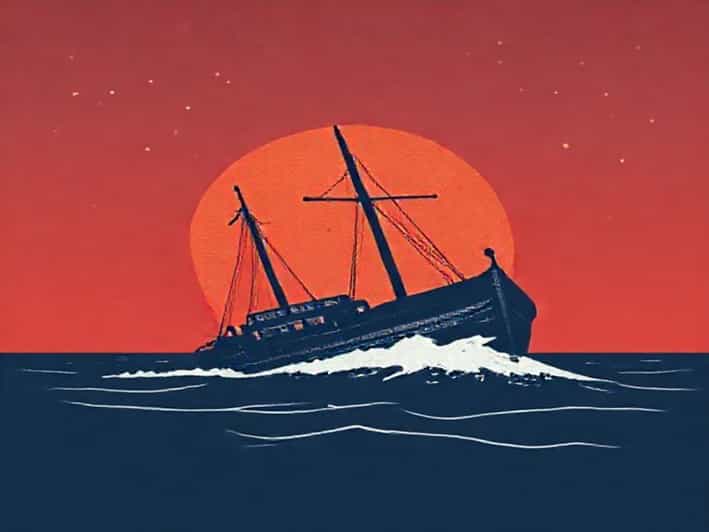
The Queen of the North shipwreck is a tragic chapter in maritime history that continues to capture the imagination of historians, sailors, and enthusiasts of nautical disasters. This event, marked by sudden loss and unforeseen calamity, illustrates both the power of nature and the vulnerability of human engineering on the open waters. The sinking of the Queen of the North not only resulted in material loss but also left a lasting impact on maritime safety practices and public consciousness. Understanding the circumstances surrounding this shipwreck sheds light on the challenges faced by vessels navigating treacherous routes and the lessons learned to prevent similar disasters in the future.
The Vessel Queen of the North
The Queen of the North was a passenger ferry that operated along the coastal waters, providing essential transportation services for communities and travelers. Known for its capacity, reliability, and design, the ship played a significant role in connecting islands and remote coastal areas. Its reputation as a sturdy and dependable vessel made the shipwreck all the more shocking to both passengers and the general public. The Queen of the North was not only a symbol of connectivity but also an important part of regional maritime infrastructure, carrying both passengers and cargo on regular routes.
Specifications and Features
- Passenger capacity Designed to accommodate hundreds of passengers with safety and comfort in mind.
- Cargo transport Equipped to handle freight alongside passenger services.
- Navigation technology Included radar, sonar, and standard maritime communication systems of the time.
- Safety measures Life jackets, lifeboats, and emergency procedures were standard features onboard.
- Structural design Built to withstand challenging coastal waters and regular weather conditions.
The Events Leading to the Shipwreck
The circumstances surrounding the Queen of the North shipwreck involved a combination of navigational challenges, environmental conditions, and human factors. Reports suggest that the ship struck a submerged obstacle while navigating a narrow channel, causing severe damage to its hull. Despite efforts to stabilize the vessel, water rapidly entered the compartments, and the crew was forced to initiate an emergency evacuation. The incident highlighted the risks of coastal navigation, particularly in regions with hidden hazards such as rocks, reefs, or underwater structures.
Weather and Environmental Factors
Weather played a critical role in the shipwreck. Coastal waters can be unpredictable, with sudden storms, strong currents, and limited visibility contributing to navigational difficulties. In the case of the Queen of the North, adverse conditions may have compounded the challenge of maneuvering through narrow channels. The combination of natural elements and maritime obstacles demonstrated the importance of careful planning, accurate charts, and vigilance in coastal navigation.
Emergency Response and Evacuation
When the ship struck the obstacle and began taking on water, the crew acted quickly to protect passengers and coordinate an evacuation. Lifeboats were deployed, and emergency procedures were implemented to ensure the safe disembarkation of most passengers. Despite the chaos, the training and preparedness of the crew contributed to saving lives. However, the shipwreck also exposed areas for improvement in maritime emergency response, highlighting the need for better communication, faster deployment of rescue resources, and more comprehensive contingency planning.
Challenges During Evacuation
- Rapid flooding Water entering the hull created urgency and stress for passengers and crew.
- Limited evacuation routes Narrow passageways and crowded decks made movement difficult.
- Communication obstacles Ensuring that all passengers received instructions promptly was a challenge.
- Environmental hazards Cold water, strong currents, and debris increased the risk during evacuation.
- Coordination with rescue services Timely arrival of external assistance was critical to saving lives.
Impact on Maritime Safety Regulations
The Queen of the North shipwreck prompted a thorough review of maritime safety procedures and regulations. Authorities investigated the incident to determine the causes and identify preventive measures. Recommendations included improvements in navigational aids, updated training protocols for crew, and stricter inspection requirements for vessels operating in hazardous coastal waters. The incident served as a case study for both passenger and cargo ferries, emphasizing that even well-maintained ships can be vulnerable under certain conditions.
Lessons Learned
Several key lessons emerged from the Queen of the North disaster. First, accurate charts and updated navigational information are essential for safe passage in complex coastal areas. Second, regular emergency drills and crew training significantly improve passenger safety during accidents. Third, environmental awareness, including monitoring weather conditions and understanding water currents, is crucial for preventing mishaps. Finally, quick and coordinated emergency response can save lives, even in situations where the vessel is beyond saving.
Historical and Cultural Significance
The shipwreck of the Queen of the North holds historical significance as a reminder of the risks inherent in maritime travel. It has become a reference point for discussions about coastal safety, ferry operations, and the challenges of human engineering against natural forces. The story of the shipwreck also resonates culturally, capturing the imagination of the public through news coverage, documentaries, and personal accounts from passengers and crew. Memorials and commemorations serve to honor those affected and to preserve the memory of the event for future generations.
Community Impact
The shipwreck affected local communities that relied on the ferry service for transportation, commerce, and connectivity. The sudden loss of the vessel disrupted travel and trade, highlighting the importance of resilient infrastructure and contingency planning. Community response included support for survivors, reinforcement of maritime safety education, and initiatives to prevent similar tragedies. The event strengthened awareness of maritime risks and inspired ongoing dialogue about safety and preparedness in coastal regions.
Modern Reflections and Preservation
Today, the Queen of the North shipwreck remains a subject of study for maritime historians, safety experts, and enthusiasts. Salvage operations, underwater explorations, and archival research have contributed to understanding the technical and environmental factors involved. The wreck itself serves as both a historical artifact and a cautionary tale, illustrating the challenges of coastal navigation and the need for ongoing innovation in maritime safety technology. Lessons from this incident continue to inform policies, ship design, and operational standards worldwide.
Tourism and Education
- Historical tours and exhibitions explore the story of the Queen of the North.
- Documentaries and educational programs highlight the causes and consequences of the shipwreck.
- Maritime museums include artifacts and records related to the vessel and its voyage.
- Interactive experiences teach visitors about navigation, emergency response, and maritime engineering.
- Commemorative events honor the resilience of survivors and the lessons learned from the tragedy.
The Queen of the North shipwreck is a poignant reminder of the perils of maritime travel and the delicate balance between human engineering and natural forces. The incident underscored the importance of safety protocols, emergency preparedness, and environmental awareness in coastal navigation. Beyond its technical and operational lessons, the shipwreck holds historical and cultural significance, preserving the memory of those affected and inspiring continued improvements in maritime safety. The story of the Queen of the North remains an enduring testament to both human vulnerability and resilience, illustrating that while disasters can occur, preparedness, training, and swift response can make the difference between tragedy and survival.
Ultimately, the Queen of the North shipwreck emphasizes the ongoing need for vigilance, innovation, and education in maritime operations. Its legacy continues to influence how vessels are designed, operated, and maintained, ensuring that future generations of passengers and crews are better protected. By studying and reflecting on this event, the maritime community honors the past while striving to create safer and more reliable transportation for the future.