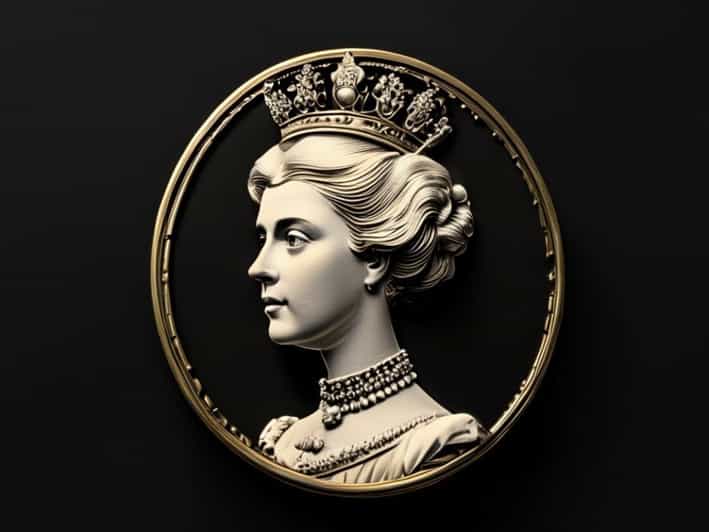
The Queen Victoria 3 pence coin is a small yet fascinating piece of British numismatic history. Though modest in size and value, this coin reflects a significant era in the United Kingdom the reign of Queen Victoria, which lasted from 1837 to 1901. Coins from this period are prized not only by collectors but also by historians who see them as tangible connections to the Victorian age. The Queen Victoria 3 pence coin, often made of silver, carries the charm of the 19th century and the elegance of a monarch who defined an era of industrial progress, empire expansion, and cultural transformation.
Historical Background of the Queen Victoria 3 Pence Coin
The 3 pence coin, also known as a threepence, was first introduced during the reign of King Edward VI in the 16th century, but it gained more prominence during the Victorian era. Under Queen Victoria, the coin became a staple of everyday currency and was used widely in trade and commerce. It was produced in different versions throughout her long reign, with various portrait designs reflecting her aging appearance over the decades.
During the early years of her rule, the 3 pence coin was minted in sterling silver and featured the Young Head portrait of Queen Victoria, designed by William Wyon. This design became one of the most admired images in British coinage. Later in her reign, two additional portraits the Jubilee Head and the Old Head (or Veiled Head) were introduced, marking transitions in the queen’s life and reign.
Early Designs and Features
The earliest Queen Victoria 3 pence coins, produced from 1838, displayed a youthful image of the queen facing left, surrounded by the Latin inscription VICTORIA DEI GRATIA, meaning Victoria by the Grace of God. The reverse typically featured a crowned number 3 surrounded by a wreath, with the year of mintage below. The simplicity of the design gave the coin an understated elegance that made it easy to recognize and appreciate.
The Jubilee Head Series
In 1887, to celebrate Queen Victoria’s Golden Jubilee, a new portrait was introduced. Known as the Jubilee Head, this design depicted an older Victoria wearing a small crown and veil. Although intended to honor her long reign, the design faced criticism for its unflattering portrayal and was replaced in the 1890s with the Veiled Head design, which softened her image and conveyed dignity and wisdom.
Metal Composition and Minting Details
The Queen Victoria 3 pence coin was typically struck in sterling silver (.925 fine). The standard weight was around 1.41 grams, and the diameter was about 16 millimeters. These coins were small, lightweight, and easily carried, making them convenient for small transactions in Victorian society.
Mint marks were sometimes used to indicate where the coin was produced. Most were minted in London, but later issues were also produced in colonial mints such as those in Australia. Collectors often look for these variations, as they can influence the rarity and value of a particular coin.
Changes Over Time
As Britain’s coinage system evolved, so did the purpose of the 3 pence coin. By the late 19th century, the coin became a popular Christmas gift, often included in Christmas puddings or given as pocket money to children. The small size and bright silver sheen made it both charming and practical. Its long use during the Victorian era solidified its place as one of the most recognized denominations in British history.
Collectibility and Value Today
For numismatists, the Queen Victoria 3 pence coin holds significant appeal. Its value depends on several factors, including the year of minting, the portrait design, mint mark, and overall condition. Coins from rare years or those struck in limited quantities can command high prices in the collector’s market. Proof versions, which were specially struck for presentation or collectors, are particularly valuable.
- Common DatesCoins from the 1880s and 1890s are more common, especially those with the Jubilee or Veiled Head designs.
- Rare DatesEarly issues from the 1840s or special mint runs can be quite rare and sought after.
- ConditionCoins in mint or near-mint condition, showing minimal wear and strong detail, are far more valuable than heavily circulated examples.
In general, a well-preserved Queen Victoria 3 pence coin might be valued anywhere from a few pounds to several hundred, depending on its rarity. Collectors often seek to complete sets that include each portrait design or focus on coins from specific years of historical importance.
Tips for Collectors
When collecting Queen Victoria 3 pence coins, it’s important to pay attention to authenticity and condition. Some tips include
- Look for coins with clear details on the queen’s portrait and crown.
- Check for signs of cleaning, as polishing can reduce a coin’s value.
- Use a magnifier to examine the edges and lettering for wear or damage.
- Store coins in protective holders to prevent tarnishing and scratches.
Collectors should also familiarize themselves with the three main portrait types, as this helps identify the era and historical context of each coin.
Symbolism and Legacy of the Queen Victoria 3 Pence Coin
The Queen Victoria 3 pence coin is more than just a piece of silver; it’s a symbol of a transformative era in British history. During Victoria’s reign, Britain experienced industrial growth, expanded its empire across the globe, and saw advances in science, technology, and culture. Coins from this time reflect not just economic transactions but also the pride and stability of the Victorian monarchy.
The coin also carries a sense of nostalgia for the simplicity of 19th-century life. Its small denomination made it accessible to people from all walks of life from the working class to the wealthy. This universal usage made the 3 pence coin a unifying symbol of British currency for generations.
Modern Appreciation and Numismatic Heritage
Today, the Queen Victoria 3 pence coin is cherished by both seasoned collectors and newcomers to numismatics. Its enduring popularity lies in its elegant design, rich history, and the enduring fascination with Queen Victoria herself. As one of Britain’s most iconic monarchs, her image continues to captivate historians and collectors alike.
Many people who inherit Victorian coins often find the 3 pence pieces among them. These coins serve as reminders of a bygone era small silver artifacts that have survived industrial revolutions, world wars, and countless hands. For museums, collectors, and history enthusiasts, each coin tells a story of empire, economy, and enduring legacy.
The Queen Victoria 3 pence coin stands as a timeless reminder of Britain’s Victorian heritage. Its beauty lies not only in its silver composition but also in its historical and cultural value. From the youthful Young Head to the dignified Veiled Head, each design captures a different phase of the queen’s remarkable reign. Today, these coins continue to attract attention in auctions and private collections, symbolizing the strength and grace of a monarch whose image defined an era. Whether treasured for its artistry, its rarity, or its story, the Queen Victoria 3 pence coin remains a glittering gem in the world of numismatics.