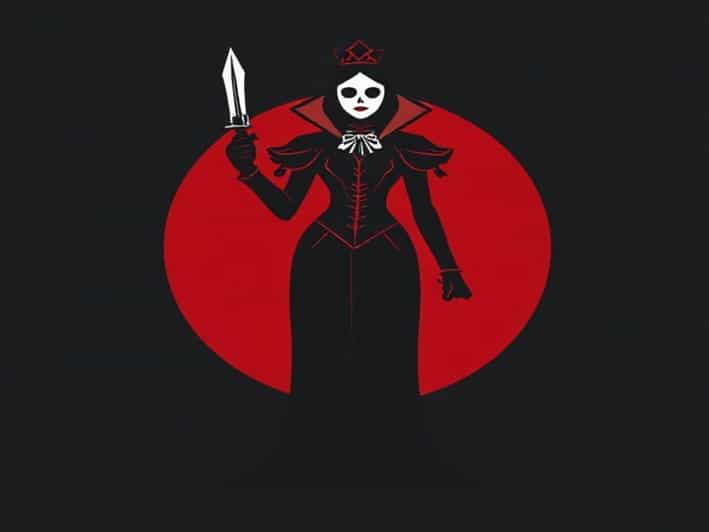
The reign of Queen Victoria, which spanned much of the 19th century, was marked by immense social, political, and technological change in Britain. It was a period of progress and prosperity for some, yet it also witnessed darker events that revealed the struggles of urban life, particularly in London. Among the most infamous events during this era were the grisly murders attributed to Jack the Ripper, a mysterious figure whose crimes shocked the public and exposed the harsh realities of poverty, crime, and social inequality in Victorian society. The connection between Queen Victoria’s reign and the Jack the Ripper murders provides a stark contrast between the grandeur of monarchy and the grim reality of the city streets.
The Victorian Era Context
Queen Victoria ascended to the throne in 1837, ushering in a period that would later be known as the Victorian Era. This period was characterized by strict social norms, rapid industrialization, and a growing divide between the wealthy and the poor. London, the capital of the British Empire, became a bustling metropolis, attracting workers from rural areas seeking employment in factories and docks. However, the rapid expansion led to overcrowded slums, inadequate sanitation, and a rise in crime. These conditions set the stage for the public fear and fascination surrounding the Jack the Ripper murders.
Social Inequality and Urban Challenges
- Overcrowded living conditions in East London, particularly Whitechapel, where the Ripper’s victims were found.
- Poverty and unemployment contributing to desperation and vulnerability among residents.
- Limited police resources and primitive forensic methods, making the area difficult to patrol and protect.
- Public health crises due to poor sanitation and lack of clean water.
- Class divisions that often meant crimes against the poor were treated with less urgency than those affecting the wealthy.
Jack the Ripper Murders
The Jack the Ripper murders occurred in 1888, during the late Victorian period. The killer targeted women, mostly prostitutes, in the Whitechapel district. The brutality and precision of the attacks horrified Londoners and gained widespread media attention. Despite extensive investigations, the identity of Jack the Ripper was never confirmed, leading to one of history’s most enduring mysteries. These murders highlighted not only the dangers present in urban life but also the inadequacies of law enforcement at the time.
Profile of the Victims
The victims of Jack the Ripper were primarily women living in poverty, often forced into prostitution due to economic hardship. Their lives reflected the social struggles of the era, including lack of social support, limited employment opportunities, and vulnerability to crime. The anonymity and vulnerability of the victims contributed to the killer’s ability to operate without being caught, and their tragic deaths exposed the harsh realities of life for many in Victorian London.
The Investigation
The investigation into the Jack the Ripper murders was one of the earliest examples of a public criminal investigation attracting mass media attention. Police employed various methods including witness interviews, canvassing the area, and attempting to link evidence from the crime scenes. However, the lack of modern forensic technology, coupled with limited understanding of criminal profiling, meant that the case remained unsolved. Letters purportedly from the killer were sent to newspapers, further fueling public intrigue and speculation, though their authenticity has always been debated.
Impact on Victorian Society
The terror caused by Jack the Ripper had a profound effect on Victorian society. Public fear led to increased scrutiny of social conditions in London’s East End, highlighting issues such as poverty, inadequate housing, and insufficient policing. The murders were widely covered in newspapers, sensationalizing the events and shaping the public’s perception of crime and safety. The media’s fascination with the case contributed to the mythologizing of Jack the Ripper as a mysterious and cunning figure, cementing his place in popular culture.
Media Sensation
- Newspapers published graphic descriptions of the murders, drawing public attention to social issues.
- The term Ripperology emerged as a way to describe the study and obsession with the case.
- Public fascination led to widespread fear, particularly among women walking alone at night.
- Newspapers competed for sensational stories, sometimes exaggerating details for dramatic effect.
- The coverage prompted debates about morality, crime prevention, and the responsibilities of the media.
The Royal Perspective
Although Queen Victoria herself remained largely insulated from the daily horrors of Whitechapel, the Ripper murders occurred during her reign, underscoring the contrast between the safety of the elite and the peril faced by the urban poor. The monarchy maintained a focus on public appearances, diplomacy, and governance, while the murders exposed the vulnerability of ordinary citizens. Queen Victoria’s reign, therefore, represents both the grandeur of imperial Britain and the stark realities that coexisted in the shadows of the empire.
Social Reforms During the Era
The terror induced by events like the Jack the Ripper murders eventually contributed to calls for social reform. Efforts to improve housing, sanitation, and policing gained momentum, aiming to address the root causes of urban crime and poverty. While these changes were gradual, the Ripper case highlighted the need for systemic improvements, including better lighting in streets, increased police presence, and social welfare measures to support vulnerable populations.
Legacy and Cultural Influence
The Jack the Ripper case has left an indelible mark on popular culture, criminology, and the study of Victorian society. It inspired countless books, films, and documentaries, and remains a subject of fascination for historians and true crime enthusiasts. The murders also contributed to the evolution of modern investigative techniques, including profiling and forensic analysis, as law enforcement sought to prevent similar cases in the future. The juxtaposition of Queen Victoria’s reign and the terror of Jack the Ripper continues to symbolize the contrasts of wealth and poverty, safety and danger, and order and chaos in late 19th-century London.
Continuing Mystique
- The true identity of Jack the Ripper remains unknown, fueling ongoing speculation and research.
- Whitechapel continues to be associated with the Ripper murders, attracting tourists and historians.
- The case is studied in criminology courses as an example of early investigative challenges.
- Books, films, and television series have dramatized the events, keeping public interest alive.
- The combination of historical context, mystery, and social commentary makes the case enduringly compelling.
The era of Queen Victoria provides a fascinating backdrop for understanding the impact of the Jack the Ripper murders. Her reign encompassed both the grandeur of the British Empire and the grim realities of urban life, with stark contrasts between wealth, social privilege, and the vulnerability of the poor. The murders highlighted critical social issues, prompting reforms and influencing the evolution of law enforcement. Jack the Ripper remains one of history’s most notorious unsolved cases, a chilling reminder of the dangers lurking beneath the surface of Victorian London. The juxtaposition of Queen Victoria’s orderly, dignified monarchy with the chaos and fear instilled by the Ripper creates a compelling narrative, illustrating both the progress and the shortcomings of society during this iconic period.
Ultimately, the Queen Victoria era and the Jack the Ripper case together reflect the complexity of Victorian Londona society of great achievements shadowed by social inequities and human vulnerability. The fascination with this period continues today, as historians, writers, and enthusiasts explore the mysteries, cultural tensions, and historical significance of these intertwined stories. It remains a powerful reminder of the interplay between societal advancement and the darker aspects of human experience.