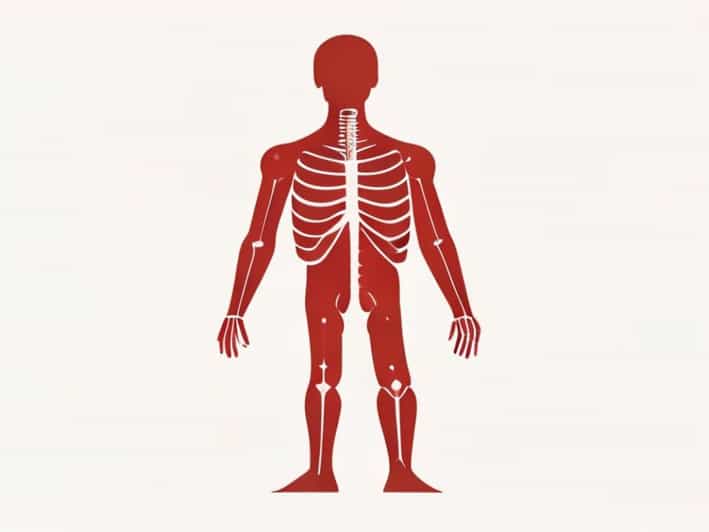
Understanding anatomical directional terms is a fundamental aspect of studying human anatomy and physiology. These terms provide a standardized way to describe the locations and relationships of structures in the body. Without a solid grasp of directional terms, it can be difficult to accurately communicate about the body, whether in a classroom, clinical setting, or research environment. Students, healthcare professionals, and anatomy enthusiasts often benefit from quizzes and exercises that reinforce knowledge of these essential concepts. By familiarizing yourself with directional terminology, you can improve your ability to interpret anatomical diagrams, describe movements, and understand medical instructions.
What Are Anatomical Directional Terms?
Anatomical directional terms are words used to describe the positions of structures relative to each other in the body. They help create a common language that can be understood universally, regardless of the person’s native language or region. These terms are often paired to express precise locations, such as anterior versus posterior or medial versus lateral. Understanding these terms allows students to navigate anatomical texts, diagrams, and clinical scenarios with greater ease.
Common Anatomical Directional Terms
Some of the most frequently used directional terms include
- Anterior (ventral)Refers to the front of the body. For example, the chest is anterior to the spine.
- Posterior (dorsal)Refers to the back of the body. For example, the spine is posterior to the chest.
- Superior (cranial)Refers to a structure being closer to the head or upper part of a structure. For example, the head is superior to the neck.
- Inferior (caudal)Refers to a structure being closer to the feet or lower part of a structure. For example, the stomach is inferior to the heart.
- MedialRefers to a structure being closer to the midline of the body. For example, the nose is medial to the eyes.
- LateralRefers to a structure being farther from the midline of the body. For example, the arms are lateral to the chest.
- ProximalRefers to a structure being closer to the point of attachment or the trunk of the body. For example, the elbow is proximal to the wrist.
- DistalRefers to a structure being farther from the point of attachment or the trunk. For example, the fingers are distal to the elbow.
- Superficial (external)Refers to a structure being closer to the surface of the body. For example, the skin is superficial to muscles.
- Deep (internal)Refers to a structure being farther from the surface. For example, the bones are deep to the muscles.
Using Anatomical Directional Terms in Context
To fully understand directional terms, it is helpful to see them used in context. Consider the following examples
- The heart ismedialto the lungs.
- The knee isproximalto the ankle.
- The brain issuperiorto the spinal cord.
- The ribs arelateralto the sternum.
- The skin issuperficialto the underlying muscles.
These examples illustrate how directional terms provide a clear, consistent way to describe the position of one structure relative to another. This clarity is particularly important in medicine, where precise communication can impact diagnosis, treatment, and surgical procedures.
Tips for Learning Anatomical Directional Terms
Memorizing directional terms can seem challenging at first, but there are strategies to make learning easier
- Visual aidsUse diagrams and anatomical models to see how terms are applied in three dimensions.
- MnemonicsCreate memory aids to recall pairs of terms, such as superior inferior or proximal distal.
- Practice quizzesTake short quizzes to reinforce understanding of the terms and their correct usage.
- Labeling exercisesLabel parts of diagrams using directional terms to improve familiarity.
- Real-life observationApply terms to your own body to better grasp their meanings. For example, notice that your eyes are lateral to your nose.
Sample Quiz on Anatomical Directional Terms
Testing your knowledge with quizzes can strengthen retention and understanding. Here are some sample questions
Multiple Choice Questions
- Which term describes a structure closer to the head?
- a) Inferior
- b) Superior
- c) Lateral
- d) Distal
- Which term describes a structure farther from the midline of the body?
- a) Medial
- b) Lateral
- c) Superficial
- d) Proximal
- Which term describes a structure closer to the trunk or point of attachment?
- a) Distal
- b) Proximal
- c) Inferior
- d) Deep
True or False Questions
- The skin is deep to the muscles. (False)
- The nose is medial to the eyes. (True)
- The wrist is distal to the elbow. (True)
- The chest is posterior to the spine. (False)
Fill in the Blank
Complete the following sentences using appropriate directional terms
- The stomach is ______ to the heart. (inferior)
- The ribs are ______ to the sternum. (lateral)
- The shoulder is ______ to the hand. (proximal)
- The bones are ______ to the skin. (deep)
Mastering anatomical directional terms is essential for anyone studying the human body. By understanding these terms, you can describe the location of organs, tissues, and body parts with precision and clarity. Regular practice through quizzes, labeling exercises, and real-life observation helps reinforce learning and builds confidence in applying anatomical language. Whether you are a student preparing for an exam, a healthcare professional communicating with colleagues, or an anatomy enthusiast exploring the human body, directional terms provide the tools needed to navigate and understand anatomy effectively.
Consistent practice and exposure to these terms in multiple contexts can improve retention and accuracy. Combining visual learning, mnemonic devices, and interactive quizzes ensures that knowledge of anatomical directional terms becomes second nature. By taking the time to learn these foundational concepts, you enhance not only your academic performance but also your ability to engage in precise and effective communication within medical and scientific environments.
Quiz exercises, such as multiple-choice, true/false, and fill-in-the-blank questions, offer an engaging way to test your understanding. Regularly using these techniques ensures that anatomical directional terms remain familiar and intuitive, allowing you to focus on more complex topics with confidence. Ultimately, a solid grasp of these terms provides the building blocks for deeper anatomical and physiological knowledge, empowering learners and professionals alike to succeed in their study or practice of human anatomy.