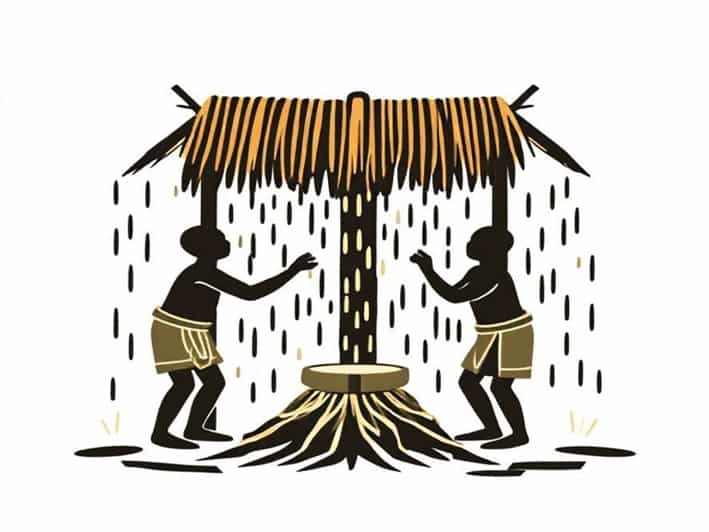
The Zulu people of South Africa have long maintained rich cultural traditions, among which the rainmaking ceremony holds a prominent place. This ceremony is deeply rooted in the spiritual and agricultural life of the community, reflecting the Zulu’s profound respect for nature and ancestral guidance. Rain is essential in the semi-arid regions of KwaZulu-Natal, and the well-being of crops, livestock, and communities often depends on timely rainfall. For centuries, Zulu leaders, traditional healers, and rainmakers have performed elaborate rituals to invoke rainfall, blending music, dance, and symbolic offerings in a spiritually charged environment.
Historical Significance of Rainmaking
The rainmaking ceremony has historical roots that trace back to the earliest Zulu kingdoms. In pre-colonial times, the survival of the community depended heavily on the success of harvests, making rainfall a vital concern. The Zulu rainmaker, often appointed by the king or chief, held a unique position of authority, bridging the spiritual and physical worlds. These rainmakers were believed to possess the ability to communicate with ancestors and natural spirits, ensuring that their requests for rain were heeded. The ceremony was thus not only a practical agricultural ritual but also a demonstration of spiritual power and leadership within the community.
The Role of the Rainmaker
The rainmaker, known locally as umthakathi wamanzi, is a central figure in the ceremony. This individual is chosen for their spiritual insight, knowledge of traditional rituals, and ability to interpret signs from nature. The rainmaker’s role extends beyond summoning rainfall; they act as mediators between the community and the ancestral spirits. Preparation for the ceremony can begin days or even weeks in advance, involving purification rites, fasting, and meditation to align the rainmaker’s spirit with the forces of nature. Through these practices, the rainmaker becomes a channel for divine energy, facilitating communication that can influence the weather.
Preparations for the Ceremony
Before the actual rainmaking ceremony begins, the community engages in meticulous preparations. These preparations are both physical and spiritual. Ritual objects, including sacred herbs, ceremonial cloths, and symbolic artifacts, are gathered. Special songs and dances, passed down through generations, are rehearsed to honor ancestors and attract their favor. In some cases, livestock or other offerings may be presented as a gesture of respect and reciprocity. The ceremony site is often chosen in a location that holds spiritual significance, such as a riverbank, hilltop, or open field, emphasizing the connection between humans, ancestors, and nature.
Traditional Rituals and Practices
The rainmaking ceremony is marked by several distinctive rituals. Participants, led by the rainmaker, may engage in rhythmic chanting, drumming, and dancing, which are believed to energize the spiritual forces necessary for rainfall. Incantations or prayers, often in the Zulu language, call upon the ancestors to intercede on behalf of the community. Water may be symbolically sprinkled, and sacred plants burned as offerings. These practices are designed to demonstrate humility, devotion, and the community’s interconnectedness with the natural and spiritual worlds.
Community Participation
Unlike private rituals, the rainmaking ceremony is a communal event. The participation of the entire village reinforces social bonds and collective responsibility for agricultural success. Community members may assist in preparations, perform dances, or provide offerings under the guidance of the rainmaker. This inclusive approach strengthens cultural identity and transmits traditional knowledge to younger generations, ensuring that the spiritual and practical significance of the ceremony endures over time.
Symbolism in the Ceremony
Every element of the rainmaking ceremony is symbolic. The chants and dances are more than mere performance; they are a form of communication with the spiritual realm. Ritual objects such as herbs, water, and clay represent fertility, life, and renewal. The communal nature of the event symbolizes unity and the shared dependence on natural resources. Through these symbols, the Zulu people express reverence for their environment and the ancestral guidance that sustains it.
Modern Context and Relevance
While modern meteorology has transformed agricultural practices in South Africa, the rainmaking ceremony retains cultural and spiritual relevance. It continues to be performed during periods of drought, as well as in cultural festivals that celebrate Zulu heritage. Contemporary ceremonies may blend traditional rituals with modern awareness, emphasizing environmental stewardship, community solidarity, and respect for ancestral wisdom. These events attract not only locals but also visitors and researchers interested in indigenous knowledge systems.
Challenges and Preservation
Maintaining traditional rainmaking ceremonies faces challenges, including urbanization, climate change, and the influence of global culture. Younger generations may be less familiar with the rituals, and practical reliance on modern irrigation and water management reduces the functional necessity of traditional practices. Nonetheless, cultural organizations, Zulu leaders, and community elders work actively to preserve these ceremonies, documenting rituals, teaching younger participants, and integrating ceremonial knowledge into educational programs. This ensures that the spiritual and cultural significance of rainmaking is not lost.
The rainmaking ceremony of the Zulu people is a vivid example of how culture, spirituality, and agriculture intertwine to sustain communities. Beyond its practical purpose of invoking rain, the ceremony embodies values of respect, unity, and connection with the natural world. Through the guidance of the rainmaker, communal participation, and symbolic rituals, the Zulu maintain a tradition that reflects centuries of wisdom and resilience. In today’s context, the ceremony serves not only as a functional ritual but also as a cultural heritage, reminding the world of the profound knowledge embedded in indigenous practices.
As South Africa faces ongoing challenges related to water scarcity and climate variability, the rainmaking ceremony also represents a form of environmental awareness, encouraging communities to engage respectfully with natural resources. Its continued practice ensures that Zulu cultural identity remains vibrant, offering insight into the ways traditional knowledge can coexist with modern life while honoring ancestral connections and the essential rhythms of nature.