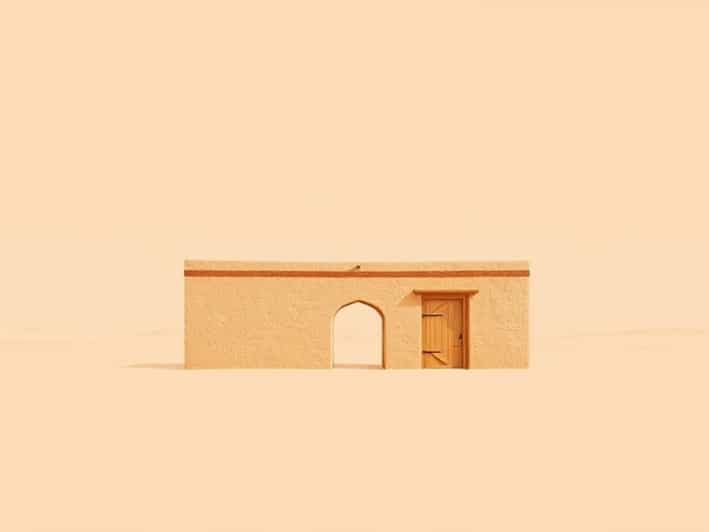
The Rann of Kutch and Kathiawar are two prominent regions in the western part of India, each with unique geographical, cultural, and historical significance. The Rann of Kutch is known for its vast salt marshes, seasonal wetlands, and unique wildlife, while Kathiawar, also called the Saurashtra peninsula, boasts a rich history, vibrant culture, and strategic coastal location. Together, these regions provide a fascinating glimpse into India’s diverse landscapes and traditions, attracting travelers, researchers, and historians alike.
Geography of the Rann of Kutch
The Rann of Kutch is a large area of salt marshes located in the Kutch district of Gujarat. It is divided into two main parts the Great Rann of Kutch and the Little Rann of Kutch. The Great Rann is a seasonal salt marsh that becomes submerged during the monsoon season, creating a unique and dramatic landscape. The Little Rann, on the other hand, is home to the famous Indian wild ass sanctuary, highlighting the region’s ecological importance.
Climate and Terrain
The climate of the Rann of Kutch is arid, with extreme temperatures in both summer and winter. Summers can be scorching, often exceeding 45°C, while winters are relatively cooler, ranging from 10°C to 25°C. The terrain is flat and expansive, covered with a layer of salt that glistens under the sun, creating an almost surreal white desert appearance during the dry season.
Flora and Fauna
The Rann of Kutch supports a variety of wildlife and plant species adapted to its harsh environment. The region is a sanctuary for the Indian wild ass, flamingos, and numerous migratory birds. Sparse vegetation, such as hardy shrubs and salt-tolerant plants, thrives in the saline soil, adding to the ecological uniqueness of the area.
Cultural Significance of the Rann of Kutch
The Rann of Kutch is not only important geographically but also culturally. The region is home to diverse communities, including the Kutchi people, known for their handicrafts, embroidery, and traditional music. Festivals such as the Rann Utsav celebrate the local culture, art, and music, drawing tourists from across India and the world. The festival also provides an opportunity to explore the desert landscape and experience the vibrant local lifestyle.
Geography of Kathiawar
Kathiawar, also known as the Saurashtra peninsula, lies to the south of the Rann of Kutch, bordered by the Arabian Sea. It is characterized by hilly terrains, fertile plains, and a long coastline with strategic ports. Kathiawar’s geography has historically made it a hub for trade, agriculture, and maritime activities, contributing to its cultural and economic significance in western India.
Major Cities and Towns
Some of the major cities in Kathiawar include Rajkot, Bhavnagar, Junagadh, and Jamnagar. These cities are centers of commerce, education, and culture. Junagadh, in particular, is known for its historical monuments, including forts and ancient temples. The city also reflects the rich heritage of the region and its connection to ancient dynasties.
Natural Resources and Agriculture
Kathiawar has fertile land that supports agriculture, including crops such as cotton, groundnuts, and wheat. The coastal regions provide fishing opportunities, while the hilly areas are home to forests and mineral resources. This combination of natural resources has historically contributed to the economic stability and cultural richness of Kathiawar.
Historical Importance
Both the Rann of Kutch and Kathiawar have played significant roles in Indian history. The regions were home to ancient civilizations, with evidence of trade, craftsmanship, and cultural exchanges dating back thousands of years. Kathiawar was divided into several princely states during the British era, each with its unique traditions and governance. The Rann of Kutch, due to its remote and challenging terrain, served as a natural barrier and played a strategic role during various historical conflicts.
Architectural Heritage
Kathiawar boasts several architectural marvels, including temples, forts, and palaces. The Somnath Temple, located on the coast, is one of the most revered pilgrimage sites in India and has been rebuilt several times throughout history. Other forts, such as Junagadh Fort and Bhavnagar Fort, showcase the strategic importance and rich heritage of the region.
Tourism in Rann of Kutch and Kathiawar
Tourism is a growing industry in both regions. The Rann of Kutch attracts visitors with its vast white salt desert, the Rann Utsav festival, and wildlife sanctuaries. Kathiawar draws tourists interested in historical sites, temples, coastal towns, and local cuisine. Both regions offer unique experiences, blending natural beauty, cultural richness, and historical significance.
Popular Tourist Activities
- Exploring the white salt desert in the Rann of Kutch
- Attending Rann Utsav and experiencing local music and crafts
- Visiting ancient temples and forts in Kathiawar
- Wildlife safaris in the Little Rann of Kutch
- Beach activities along the Kathiawar coastline
Challenges and Conservation
Both regions face environmental and social challenges. The Rann of Kutch is vulnerable to extreme weather conditions and desertification, requiring careful management to preserve its ecosystem. Kathiawar faces pressures from urbanization, industrialization, and coastal erosion. Conservation efforts, including protected areas, wildlife sanctuaries, and sustainable tourism initiatives, aim to balance development with ecological preservation.
The Rann of Kutch and Kathiawar together represent the diversity and richness of western India. From the salt deserts and migratory birds of the Rann of Kutch to the historical monuments and coastal beauty of Kathiawar, these regions provide unique opportunities for exploration, cultural appreciation, and environmental awareness. Understanding their geography, history, and culture allows both locals and visitors to appreciate the importance of these regions in India’s heritage and development.