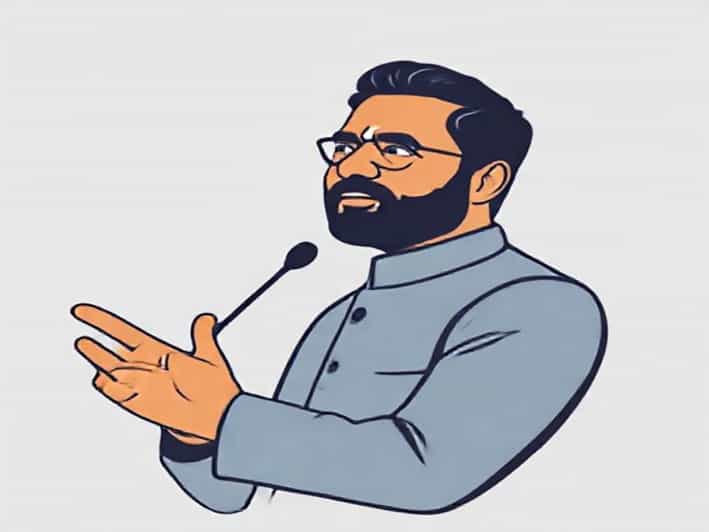
The resignation of Ravi Raja from the Congress party has become a pivotal moment in Indian politics, drawing attention from political analysts, party supporters, and the general public alike. His departure highlights both internal party dynamics and the broader challenges facing the Congress party in maintaining cohesion and public confidence. Ravi Raja, who has been a notable figure within the party, cited several reasons for his decision, ranging from ideological differences to disagreements over leadership strategies and policy directions. This resignation not only affects the party’s internal structure but also has implications for electoral politics, public perception, and the balance of power in the regions where he held influence. The political reverberations of his resignation are shaping conversations about party unity, accountability, and the future of Congress in the coming elections.
Background of Ravi Raja in Congress Politics
Ravi Raja has been a prominent member of the Congress party for several years, actively participating in legislative debates, constituency development, and policy advocacy. Known for his articulate speeches and grassroots engagement, he built a reputation as a leader committed to social welfare and political reform. His influence extended not only within party structures but also among constituents who appreciated his approach to addressing local and regional issues. As a member of the legislative assembly, his contributions to debates on economic policy, social justice, and governance were often highlighted as examples of committed public service.
Early Career and Rise in the Party
Ravi Raja’s political career began at the grassroots level, where he engaged with local community initiatives and became actively involved in party activities. His ability to connect with voters, combined with organizational skills, helped him rise through the party ranks. Over time, he gained recognition from senior party leaders and became an integral part of key policy discussions. His trajectory within Congress showcased a blend of political acumen, dedication to social causes, and a capacity to navigate complex political environments.
Reasons Behind the Resignation
The resignation of a prominent figure like Ravi Raja is seldom a decision made lightly. Reports suggest multiple factors that contributed to his departure, reflecting both personal and political considerations.
Ideological Differences
One of the major reasons cited by Ravi Raja involves ideological differences with the current leadership of Congress. He expressed concerns about the party’s direction on critical issues such as economic reform, social welfare programs, and governance policies. These differences made it increasingly difficult for him to align with the party’s strategic approach, prompting his decision to resign in order to preserve his personal political integrity and public credibility.
Leadership Conflicts
Internal leadership conflicts within Congress also played a significant role in his resignation. Disagreements over decision-making processes, candidate selection, and regional party strategies created tensions that affected his ability to work effectively within the party. Such conflicts are not uncommon in large political organizations, but in this case, they became a catalyst for a high-profile resignation that drew attention to issues of party governance and transparency.
Pressure from Constituency Expectations
As a public representative, Ravi Raja faced significant expectations from his constituents. In some instances, he felt that party policies or directives were at odds with the interests of the people he represented. This pressure from the electorate added another layer of complexity, leading him to prioritize constituent needs over party loyalty. The decision to resign reflects an attempt to maintain trust with the electorate while signaling dissatisfaction with internal party practices.
Political Implications of the Resignation
The resignation of Ravi Raja has multiple implications for Indian politics, particularly concerning the Congress party’s organizational strength and electoral prospects.
Impact on Party Cohesion
Ravi Raja’s resignation raises questions about the cohesion and unity within the Congress party. As a senior member with substantial influence, his departure may encourage other members with similar grievances to voice their concerns or reconsider their positions. This could lead to internal restructuring, the emergence of factional dynamics, or even further resignations if not addressed carefully by the leadership.
Electoral Consequences
From an electoral standpoint, the resignation could affect Congress’s performance in key constituencies where Ravi Raja had a strong presence. Losing a prominent leader may weaken the party’s voter base in those areas, creating opportunities for rival parties to capitalize on perceived instability. Moreover, the resignation might influence undecided voters, as public perception of party unity often plays a critical role in election outcomes.
Media and Public Discourse
The media coverage surrounding Ravi Raja’s resignation has amplified discussions about political accountability, leadership effectiveness, and the broader challenges facing Congress. Public discourse has shifted toward examining the reasons for his departure, including critiques of internal party dynamics, policy disagreements, and leadership practices. Such scrutiny has the potential to shape public opinion and influence the political narrative in the months leading up to upcoming elections.
Responses from Party Leaders and Members
Following the resignation, Congress leaders have issued statements acknowledging Ravi Raja’s contributions while attempting to maintain a sense of organizational stability. Senior party officials emphasized the need to address internal concerns and reaffirmed their commitment to inclusive decision-making. Meanwhile, members and supporters have expressed a range of reactions, from regret and disappointment to calls for introspection and reform within the party structure.
Leadership Statements
Party leaders highlighted Ravi Raja’s achievements and contributions to both legislative processes and grassroots initiatives. They also indicated plans to strengthen communication channels within the party, address grievances proactively, and prevent similar resignations in the future. These statements aim to reassure the public and party members that Congress remains committed to unity and effective governance despite recent departures.
Member Reactions and Factional Concerns
Some party members expressed concern that the resignation could embolden internal factions or rival groups. Others viewed it as an opportunity to engage in constructive dialogue and reform party practices. The varied reactions highlight the complexity of managing internal politics within a large, diverse political organization, particularly when high-profile resignations occur.
Broader Lessons from the Resignation
Ravi Raja’s resignation offers several broader lessons for political parties and the political landscape in India.
Importance of Internal Democracy
The event underscores the importance of internal democracy and transparent decision-making in maintaining party cohesion. Parties that encourage open dialogue, address grievances, and incorporate diverse perspectives are more likely to retain key leaders and maintain public trust.
Alignment of Party Ideology and Leadership
Ensuring alignment between party ideology, leadership strategies, and member priorities is crucial for organizational stability. The resignation illustrates the challenges that arise when these elements are misaligned, highlighting the need for regular communication and consensus-building within the party framework.
Constituent-Centric Politics
The situation also emphasizes the significance of prioritizing constituents’ needs while balancing party loyalty. Leaders who feel constrained by party policies that conflict with public interest may face difficult choices, as demonstrated by Ravi Raja’s decision. Political organizations must find ways to reconcile party objectives with the expectations of the electorate to maintain credibility and support.
The resignation of Ravi Raja from the Congress party marks a significant moment in Indian politics, reflecting both individual considerations and broader organizational dynamics. It highlights issues of internal party cohesion, leadership conflicts, ideological alignment, and constituent representation. The implications of his departure extend beyond the party, affecting electoral strategies, public perception, and political discourse. For Congress, this event serves as a reminder of the importance of transparent leadership, open communication, and responsive policy-making. For political observers and the electorate, Ravi Raja’s resignation provides insight into the complex interplay between individual agency, party politics, and democratic governance in India.