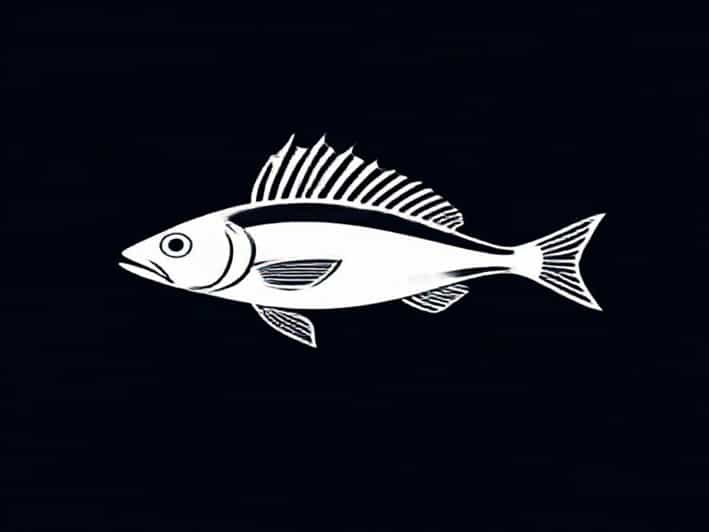
The Devonian period, often referred to as the Age of Fishes, was a remarkable era in Earth’s history, spanning approximately 419 to 359 million years ago. During this period, ray-finned fish, scientifically known as Actinopterygii, began to diversify and flourish in the world’s oceans, rivers, and lakes. These fishes played a crucial role in shaping aquatic ecosystems and represented a major evolutionary step, showcasing adaptations that allowed for increased mobility, predation efficiency, and ecological versatility. Understanding ray-finned fish from the Devonian period provides insight into the origins of modern fish species and the evolutionary processes that shaped vertebrate life.
Overview of the Devonian Period
The Devonian period was characterized by significant geological, climatic, and biological changes. Continents were gradually forming and drifting, shallow seas expanded, and reef-building organisms flourished. It was during this time that many vertebrate lineages, including early fish groups, began to establish themselves. The period witnessed the emergence of both freshwater and marine ecosystems that provided diverse habitats for ray-finned fish and other aquatic organisms.
Geological and Environmental Context
The Devonian period experienced fluctuating sea levels, warm climates, and extensive reef systems that supported rich marine biodiversity. These environmental conditions were ideal for the proliferation of ray-finned fish, which could exploit new ecological niches. Sedimentary deposits from the Devonian have preserved fossils of these early fish, allowing paleontologists to study their anatomy, diversity, and evolutionary significance.
Introduction to Ray-Finned Fish
Ray-finned fish, or Actinopterygii, are characterized by fins supported by bony or horny spines known as rays, as opposed to the fleshy lobed fins of Sarcopterygii (lobe-finned fish). This structural adaptation allowed for precise and efficient swimming, providing a competitive advantage in predation and mobility. Ray-finned fish are the most diverse group of vertebrates today, but their origins trace back to the Devonian, where the earliest representatives began to emerge and diversify.
Characteristics of Devonian Ray-Finned Fish
- Fins with bony rays that allowed for agile movements in water.
- Scales that provided protection while maintaining flexibility.
- Jaw structures enabling a variety of feeding strategies, from filter feeding to active predation.
- Streamlined body shapes optimized for swimming efficiency.
- Early adaptations for both freshwater and marine habitats.
Diversity and Evolutionary Significance
During the Devonian period, ray-finned fish diversified into multiple lineages. Some of the earliest genera include Cheirolepis, which is considered one of the most primitive ray-finned fish, and Mimipiscis, known for its well-preserved fossil specimens. These early fish showcased features that would later define the Actinopterygii, such as fin ray structures and skeletal innovations.
Cheirolepis and Other Key Genera
Cheirolepis, found in Devonian deposits in Europe and North America, exhibited characteristic ray-finned features, including paired pectoral and pelvic fins with supportive rays. Its body was streamlined for active swimming, making it a competent predator. Mimipiscis, discovered in Australia, displayed intricate scale patterns and fin structures, providing detailed insight into the anatomy of early ray-finned fish.
Evolutionary Innovations
- Development of bony fin rays for improved maneuverability.
- Expansion of jaw morphology to exploit diverse food sources.
- Enhanced gill structures for efficient respiration in varying aquatic environments.
- Scale modifications that balanced protection and flexibility.
Ecological Roles of Devonian Ray-Finned Fish
Ray-finned fish occupied crucial ecological niches in Devonian waters. They were both predators and prey, interacting with other fish groups such as placoderms, early sharks, and lobe-finned fish. Their evolution contributed to complex food webs and helped shape the early dynamics of freshwater and marine ecosystems.
Predation and Feeding Strategies
Early ray-finned fish exhibited varied feeding strategies. Some were small, agile hunters feeding on invertebrates, while others evolved specialized jaws and teeth for larger prey. This diversification allowed them to occupy multiple ecological roles, increasing their survival and evolutionary success during the Devonian.
Interactions with Other Fish
Ray-finned fish coexisted with lobe-finned fish, placoderms, and early sharks. These interactions drove selective pressures that shaped fin development, body size, and feeding adaptations. By competing and adapting to different niches, ray-finned fish laid the foundation for the eventual dominance of Actinopterygii in later geological periods.
Fossil Evidence
Fossils of Devonian ray-finned fish have been found in Europe, North America, and Australia, providing a global perspective on their distribution. Well-preserved fossils reveal details of fin structure, scale patterns, and skeletal features, offering critical evidence for understanding evolutionary pathways. Fossil sites such as the Old Red Sandstone in Scotland and the Gogo Formation in Western Australia are particularly notable for preserving early Actinopterygii specimens.
Significance of Fossils
- Provide insight into the morphology and anatomy of early ray-finned fish.
- Reveal evolutionary links between primitive and modern Actinopterygii.
- Illustrate the ecological diversity of Devonian aquatic environments.
- Support hypotheses about the timing and pace of vertebrate evolution.
Legacy and Modern Relevance
Ray-finned fish from the Devonian period represent the ancestors of nearly all modern fish species. Their adaptations bony fin rays, diverse jaw structures, and efficient body plans enabled them to survive mass extinctions and continue diversifying through the Carboniferous and beyond. Today, Actinopterygii dominate freshwater and marine ecosystems, making the Devonian period a pivotal chapter in the evolutionary history of vertebrates.
Evolutionary Impact
The innovations of Devonian ray-finned fish set the stage for later evolutionary developments, including advanced swimming mechanics, specialized feeding adaptations, and ecological versatility. Their success influenced the structure of aquatic ecosystems for millions of years, demonstrating how early evolutionary changes can have long-lasting effects on biodiversity.
Lessons from Devonian Fish
Studying Devonian ray-finned fish helps scientists understand the origins of key vertebrate traits and the evolutionary pressures that shaped early aquatic life. It also highlights the importance of adaptation, ecological interactions, and morphological innovation in driving long-term survival and diversification.
Ray-finned fish of the Devonian period were pioneers in vertebrate evolution, establishing foundational traits that continue to define modern Actinopterygii. From their innovative fin structures to diverse feeding strategies, these fishes played a central role in shaping Devonian ecosystems and the trajectory of aquatic life. Fossil evidence reveals not only their anatomy and diversity but also the evolutionary pressures that guided their development. Understanding the Devonian period and its ray-finned fish helps illuminate the remarkable journey of vertebrates from ancient seas to the oceans and rivers of today, showcasing the enduring legacy of early Actinopterygii in the history of life on Earth.