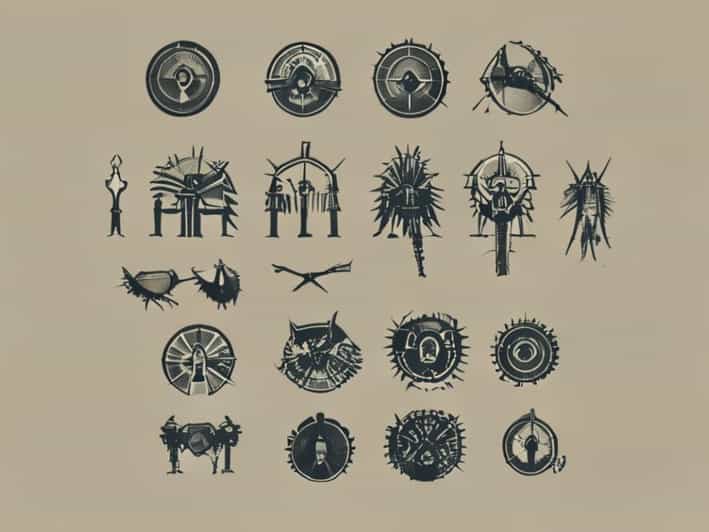
The records of various barbarous nations provide a fascinating glimpse into the lives, customs, and beliefs of societies that existed on the peripheries of ancient civilizations. These records, often preserved through oral traditions, early written accounts, and archaeological discoveries, shed light on how these communities survived, interacted with their environment, and structured their societies. While the term barbarous reflects historical perspectives from more centralized civilizations, studying these nations offers valuable insights into human resilience, cultural diversity, and the evolution of social norms across the ancient world. Understanding these records helps historians and anthropologists reconstruct the broader narrative of human history.
Understanding the Term Barbarous Nations
The concept of barbarous nations often originates from the writings of ancient historians and chroniclers who described societies that were unfamiliar or culturally distinct from their own. These nations were labeled as barbarous not necessarily due to inherent savagery, but because their practices, language, or social structures differed from those of literate, urban civilizations like Greece, Rome, or China. Modern scholarship emphasizes examining these societies without bias, focusing on their achievements, social organization, and cultural expressions.
Historical Sources of Records
Records of these nations come from multiple sources
- Oral TraditionsMany societies preserved history through storytelling, songs, and myths, which were later recorded by explorers or anthropologists.
- Ancient ChroniclesGreek, Roman, and Chinese historians documented interactions with tribes and nomadic groups, often including detailed observations of customs, warfare, and daily life.
- Archaeological EvidenceMaterial culture, such as tools, weaponry, clothing, and burial sites, provides tangible records of social structures and cultural practices.
- Religious TextsRitual practices, spiritual beliefs, and sacred artifacts reveal the moral and ethical frameworks of these societies.
Social Structures and Governance
Various barbarous nations exhibited diverse social structures, from loosely organized clans to complex tribal confederations. Leadership often revolved around councils of elders, chiefs, or warrior leaders, depending on the cultural context. These governing structures emphasized communal responsibility, with decision-making rooted in consensus or the authority of a respected leader. Military prowess, kinship, and loyalty often played central roles in maintaining order and cohesion within the group.
Family and Kinship
Family and kinship networks were foundational in these societies. Extended families often lived together or in close proximity, sharing resources and responsibilities. Kinship determined social roles, inheritance, and marriage alliances, influencing the distribution of power and wealth. Anthropological studies of ancient and tribal societies demonstrate that such networks provided stability and continuity, ensuring survival in challenging environments.
Economic Practices and Survival
The records indicate that economic practices among these nations were closely tied to their natural surroundings. Many were hunter-gatherers, relying on hunting, fishing, and foraging, while others practiced pastoralism or early forms of agriculture. Trade networks often existed, facilitating the exchange of goods, knowledge, and technology. These economic practices were not only practical but also integral to social identity and cohesion.
Hunting and Gathering
Nomadic societies often relied on hunting and gathering as primary means of sustenance. Tools such as spears, bows, and traps were essential for survival, and skills were passed down through generations. Hunting expeditions often held cultural and ceremonial significance, reflecting respect for the animals and the land.
Agriculture and Pastoralism
Some barbarous nations developed early agricultural practices, cultivating crops suited to their local environments. Pastoralism, involving the domestication and herding of animals, provided not only food but also clothing and materials for trade. These practices demonstrate adaptability and ingenuity in managing natural resources effectively.
War and Defense
Conflict was a recurring theme in the records of barbarous nations. While warfare is often highlighted by external chroniclers, it was not necessarily driven by cruelty but by competition for resources, territorial defense, and honor. Military organization varied widely, from small raiding parties to structured armies capable of strategic campaigns. Weaponry, tactics, and fortifications provide insight into their technological and strategic sophistication.
Weapons and Tactics
- Swords, spears, and bows were common offensive tools.
- Defensive measures included fortified settlements, natural barriers, and strategic positioning.
- Tactics often leveraged knowledge of local terrain and seasonal conditions.
- Rituals and symbols were sometimes incorporated into warfare to boost morale or invoke spiritual protection.
Cultural and Religious Practices
Despite the label of barbarism, these nations exhibited rich cultural and religious traditions. Music, dance, and visual arts often held deep spiritual or social significance. Rituals marked life events, seasonal cycles, and cosmological beliefs. Religion and spirituality were closely intertwined with daily life, influencing governance, law, and communal interactions.
Rituals and Festivals
Festivals and ceremonial events served as both social glue and spiritual observances. They often involved offerings, feasts, and performances that reinforced community bonds. These practices also helped transmit knowledge, moral codes, and collective memory across generations.
Art and Symbolism
Artistic expressions, including carvings, textiles, and pottery, conveyed identity, history, and beliefs. Symbols often reflected cosmology, tribal affiliations, and spiritual protection. Such artifacts provide crucial evidence for understanding the values, aesthetics, and intellectual life of these societies.
Interactions with Civilized Societies
Records often come from interactions between barbarous nations and more centralized civilizations. These encounters could be trade, diplomacy, conflict, or cultural exchange. While external accounts may exhibit bias, they also document negotiation skills, adaptability, and resilience. These interactions sometimes led to technological transfer, adoption of agricultural practices, or integration into broader economic networks.
Trade and Exchange
Barbarous nations frequently engaged in trade, exchanging raw materials, livestock, and crafted goods. Trade facilitated not only economic growth but also cultural exchange, influencing clothing, weaponry, and artistic techniques. This connectivity demonstrates that no society existed in complete isolation.
Diplomacy and Alliances
Alliances and treaties were occasionally formed with neighboring societies or empires. Strategic marriages, tribute systems, and negotiated agreements highlight the political acumen of these groups, challenging assumptions that they were primitive or unsophisticated.
Legacy and Importance of Records
Studying the records of various barbarous nations allows modern historians and anthropologists to appreciate the diversity and adaptability of human societies. These records preserve knowledge about survival strategies, social organization, and cultural creativity. They also challenge simplistic narratives of civilization versus barbarism, emphasizing that complexity, ingenuity, and cultural richness existed in all human communities.
Modern Perspectives
Today, scholars approach these records with greater objectivity, analyzing archaeological evidence, oral traditions, and historical accounts to construct nuanced understandings. By examining these societies on their own terms, researchers gain insight into human resilience, innovation, and social evolution across different environments and historical periods.
The records of various barbarous nations provide an invaluable window into the past, revealing societies that were diverse, resourceful, and culturally rich. From governance and economic practices to warfare, art, and religion, these communities demonstrated adaptability and creativity in responding to environmental and social challenges. Modern scholarship continues to uncover the complexity and sophistication of these nations, illustrating that the term barbarous often reflected the biases of outsiders rather than the true nature of these societies. By studying these records, we gain a more comprehensive understanding of human history, appreciating the varied pathways through which civilizations and communities have developed, interacted, and thrived over millennia.