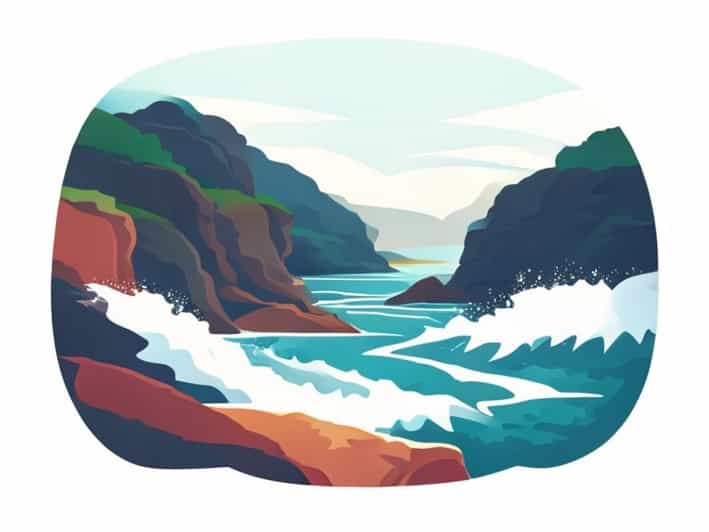
The Reversing Rapids in the Bay of Fundy are one of the most fascinating natural wonders in Canada, attracting visitors from all over the world. Located in Saint John, New Brunswick, these rapids are not like any ordinary river current. They are formed by the extraordinary tidal forces of the Bay of Fundy, which has the highest tides on the planet. Watching the flow of water literally change direction twice a day is a remarkable sight that combines beauty, power, and science. Understanding how the Reversing Rapids work offers a glimpse into the incredible natural balance between the ocean and the river that shapes this region.
Where Are the Reversing Rapids Located?
The Reversing Rapids are found at the mouth of the Saint John River, which flows into the Bay of Fundy. This location is in the city of Saint John, the largest urban center in New Brunswick. The area is known for its deep harbor, historical architecture, and stunning coastal views. The river meets the bay at a narrow gorge formed by ancient rock formations, creating the perfect setting for the unique phenomenon that occurs here. This is not just a scenic landmark but a place where nature’s power is visible in real time.
Understanding the Bay of Fundy’s Tides
To truly appreciate the Reversing Rapids, it helps to understand the Bay of Fundy itself. The bay is famous for having the highest tidal range in the world, with differences of up to 16 meters (around 50 feet) between high and low tide. These massive tides are caused by the bay’s unique funnel shape and the natural resonance of the water. As the ocean pushes into the narrowing bay, the water levels rise dramatically, forcing the tides to surge with immense energy.
This tidal power is what drives the rapids to reverse direction. The Saint John River normally flows from inland toward the Atlantic Ocean. However, when the incoming tide from the Bay of Fundy rises high enough, it overpowers the river’s current and pushes the water back upstream. This reversal is not just a slight change it completely transforms the flow of the river for several hours at a time.
The Science Behind the Reversing Rapids
The Reversing Rapids are a perfect example of the interaction between freshwater and seawater under the influence of tides. When the tide is low, the Saint John River rushes through the gorge into the bay, creating strong rapids and whirlpools. As the tide rises, the ocean water begins to push back with increasing force until it balances the river flow. At this moment, known as slack tide, the water appears calm and still for about 20 minutes. Afterward, as the tide continues to rise, the direction of the flow completely reverses, and seawater flows upstream into the river.
This process repeats twice each day once during the incoming tide and once during the outgoing tide. The cycle creates three distinct phases outgoing flow, slack tide, and incoming flow. Each phase has its own visual and physical characteristics, and they all happen within a few hours, creating an ever-changing landscape of motion and sound.
What Makes the Reversing Rapids Unique
There are many tidal rivers around the world, but few places display such a dramatic reversal as the Bay of Fundy. The reason lies in the combination of geography, tidal range, and river flow. The narrow gorge at Saint John acts like a natural bottleneck, amplifying the pressure of the incoming tide. The Bay of Fundy’s massive tidal volume then turns this pressure into a powerful backflow that visibly reverses the current. The result is an extraordinary display of churning water, eddies, and whirlpools that change direction depending on the time of day.
What makes this location even more special is that it can be observed from several vantage points around the city, including bridges and viewing platforms. Visitors can witness both the outgoing and incoming tides within the same day, making it one of the most accessible tidal phenomena in the world.
When to Visit the Reversing Rapids
The best time to visit the Reversing Rapids depends on what you want to see. If you are interested in watching the most dramatic flow, visit during the peak of the tide changes either at high tide or low tide. At low tide, the river’s natural current dominates, and you can see the water rushing strongly into the bay. A few hours later, when the tide comes in, the direction will shift, and the ocean will push the water back inland.
For a complete experience, many visitors plan to stay through the full tidal cycle, which lasts about 12 hours and 25 minutes. By doing so, you can witness the full transformation of the rapids from one extreme to another. The calm period of slack tide, when the water seems almost still, offers an interesting contrast to the roaring rapids that follow.
Wildlife and Ecology of the Area
The Reversing Rapids are not only a visual spectacle but also a crucial part of the local ecosystem. The constant movement of water brings nutrients from both the river and the ocean, creating a rich feeding ground for fish and marine life. Species such as salmon, sturgeon, and striped bass migrate through this area, taking advantage of the nutrient flow. The surrounding cliffs and rocky shores also provide nesting spots for seabirds, while seals are sometimes spotted in the water during high tide.
The mixing of freshwater and saltwater creates what scientists call a brackish environment, which supports unique plant and animal life. The ecological balance here is delicate, and the health of the rapids depends on maintaining clean water and stable tidal patterns.
Human Connection and History
Long before modern visitors arrived, Indigenous peoples of the region were aware of the power and mystery of the Reversing Rapids. The Maliseet and Mi’kmaq communities considered the site spiritually significant, viewing the tides as a symbol of nature’s strength and renewal. In later centuries, European settlers used the Saint John River as a major transportation route, and understanding the tides was essential for safe navigation.
Today, the rapids are part of the cultural identity of Saint John. The area has viewing platforms, parks, and interpretive centers that explain the science and history behind this phenomenon. Local guides often share stories about how the tides influenced trade, fishing, and daily life throughout the region’s history.
Activities and Experiences
Visitors to the Reversing Rapids can do more than just watch the water. The area offers several engaging experiences that bring you closer to the action. Some of the popular activities include
- Viewing platformsElevated points that allow you to safely observe the changing currents from above.
- Jet boat toursAdventure rides that take you directly into the rapids for an up-close view of the reversing waters.
- Nature trailsWalking paths along the river and bay that showcase the natural landscape and wildlife.
- Interpretive centersEducational exhibits explaining the geology, tides, and ecology of the Bay of Fundy.
These experiences make it easy for visitors of all ages to enjoy and understand the significance of this natural wonder.
Why the Reversing Rapids Matter
Beyond their visual beauty, the Reversing Rapids demonstrate how powerful natural forces shape our world. They are a living reminder of how the ocean and rivers are interconnected systems that constantly adapt and balance each other. The study of the rapids and the Bay of Fundy tides has also contributed to tidal energy research, offering insights into renewable energy sources driven by natural forces.
For locals and tourists alike, the rapids symbolize the dynamic relationship between land and sea, time and motion. Each change in direction reflects the rhythm of the planet’s oceans, something both ancient and ever-present.
The Reversing Rapids of the Bay of Fundy stand as one of nature’s most captivating spectacles. Powered by the world’s highest tides, this natural phenomenon transforms the Saint John River twice daily, creating a living display of motion and balance. Visiting the rapids is not just about watching water flow it’s about witnessing the connection between the ocean, the river, and the forces that shape our planet. With its combination of natural beauty, scientific wonder, and cultural history, the Reversing Rapids remain one of the most unforgettable experiences in Atlantic Canada.