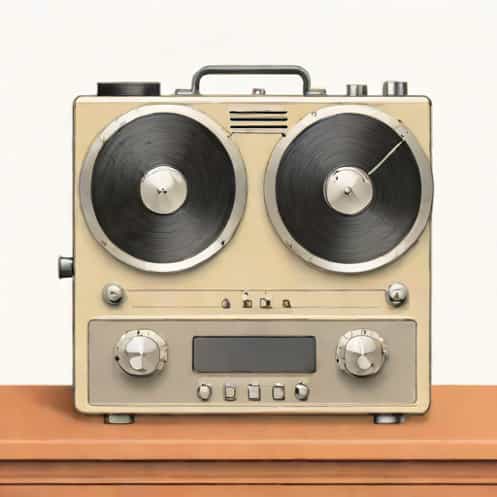
The Sears Silvertone stereo radio phonograph is an iconic piece of mid-20th century home entertainment technology that represents a unique blend of music, radio, and craftsmanship. Popular among families and music enthusiasts during the 1950s and 1960s, the Silvertone offered a multifunctional solution for enjoying music at home. Its design and functionality reflected the era’s fascination with high-fidelity sound, stylish furniture, and the growing cultural importance of music in everyday life. This combination of radio, phonograph, and stereo sound made it a centerpiece in living rooms and dens, symbolizing both leisure and technological advancement.
Historical Background of the Silvertone Brand
Sears, Roebuck & Co., a major American retail company, introduced the Silvertone brand to provide quality electronics at affordable prices. The Silvertone line included radios, phonographs, and later stereo systems that appealed to middle-class consumers seeking modern conveniences. By the 1950s, stereo technology was becoming more accessible, and the Silvertone stereo radio phonograph emerged as a product that combined multiple entertainment features into one elegant cabinet. It bridged the gap between traditional phonographs and the emerging trend of home stereo systems, offering a more immersive listening experience.
Design and Aesthetics
The design of the Sears Silvertone stereo radio phonograph was both functional and aesthetically pleasing. These units often featured wooden cabinets crafted with attention to detail, reflecting mid-century modern design principles. Many models included a top-loading turntable, AM/FM radio tuner, and built-in speakers. The cabinetry often had a polished wood finish with decorative elements that complemented home interiors. This attention to both function and form made the Silvertone not just an audio device but also a piece of furniture that added character to a room.
- Wooden cabinets with polished finishes
- Integrated stereo speakers
- AM/FM radio tuning dials
- Top-loading phonograph with speed options for 33, 45, and 78 RPM records
Functionality and Features
The Silvertone stereo radio phonograph was designed to provide versatile listening options. Users could play vinyl records, tune into AM and FM radio stations, or enjoy music through a combination of both. The stereo feature allowed for enhanced sound separation, creating a more dynamic audio experience compared to monaural systems. Many models also included auxiliary inputs, enabling external devices to be connected for playback. This level of functionality made the Silvertone a pioneer in bringing high-quality sound and entertainment variety into homes at a time when such features were considered luxurious.
Technical Specifications
While specifications varied across different models, common features included
- Built-in stereo amplifier for clear and dynamic sound
- Three-speed turntable accommodating 33, 45, and 78 RPM records
- AM and FM radio tuner with analog dial
- Dual speaker system for true stereo playback
- Auxiliary input for connecting additional audio devices
Popularity and Cultural Impact
The Silvertone stereo radio phonograph became popular for several reasons. It offered convenience by combining multiple entertainment devices into a single unit, eliminating the need for separate radio and phonograph systems. Its stylish design also made it a desirable item for middle-class households looking to enhance their living spaces. Beyond practical use, the Silvertone influenced the culture of music consumption. Families would gather around the unit to listen to records or radio programs, making it a central part of home life and social interaction.
Collector’s Interest Today
Today, the Sears Silvertone stereo radio phonograph is a sought-after collector’s item. Vintage electronics enthusiasts value these units for their historical significance, craftsmanship, and nostalgic appeal. Restored models can fetch significant prices in antique markets and online auctions. Collectors often seek units in good condition with original cabinetry, working turntables, and functional stereo speakers. Additionally, the Silvertone represents an era when consumer electronics were designed not only for functionality but also as statement pieces that reflected personal taste and technological sophistication.
- Restoration of original wooden cabinetry
- Replacement of worn or faulty components
- Preservation of original stereo and radio functions
- Documentation of historical model numbers and production years
Legacy of the Silvertone Brand
The Silvertone brand left a lasting legacy in the realm of consumer electronics. It demonstrated that high-quality sound could be combined with stylish design, making technology both accessible and aesthetically pleasing. The brand also paved the way for modern stereo systems by introducing features like integrated speakers, stereo amplification, and versatile media playback. Its influence is still seen in contemporary home audio equipment, where convenience, sound quality, and design remain critical considerations for manufacturers and consumers alike.
The Sears Silvertone stereo radio phonograph is more than just a vintage audio device; it is a symbol of mid-20th century innovation, design, and cultural significance. By combining a phonograph, stereo sound, and radio functionality into a single stylish cabinet, it transformed how families experienced music at home. Today, it continues to captivate collectors, audio enthusiasts, and historians, serving as a reminder of an era when home entertainment began to blend technology, art, and social interaction. Understanding the history and features of the Silvertone provides insight into the evolution of consumer electronics and the enduring appeal of well-crafted audio systems.