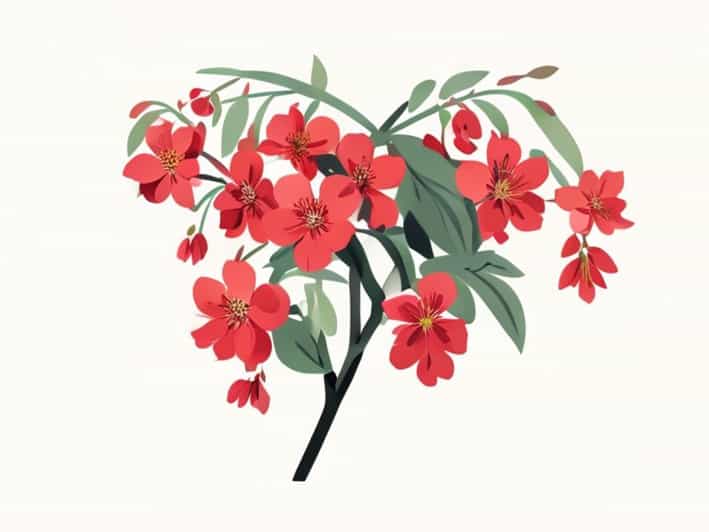
The natural world is filled with plants that capture attention with their vibrant colors and unique forms, and one such striking example is the shrub with pendulous red flowers. These shrubs are often admired for their cascading blossoms that add a splash of color to gardens, landscapes, and parks. The bright red flowers hanging gracefully from the branches create a dramatic visual effect, attracting not only human observers but also pollinators such as birds and insects. Their ornamental appeal, combined with ecological benefits, makes them a popular choice among gardeners and horticultural enthusiasts alike.
Identification and Classification
The shrub with pendulous red flowers belongs to a variety of botanical families, but many popular species are part of the genusFuchsia. Known for their distinctive drooping flowers, these shrubs are native to Central and South America, as well as some regions in New Zealand and Tahiti. The pendulous nature of the flowers helps facilitate pollination by hummingbirds and other nectar-feeding creatures. Each species within this group displays slight variations in flower size, shade of red, and growth habits, offering gardeners diverse options for ornamental planting.
Common Characteristics
- Bright red, tubular, or bell-shaped flowers that hang downward.
- Woody or semi-woody stems that support cascading blooms.
- Leaves that are typically opposite, ovate, and dark green, providing contrast to the red flowers.
- Compact to medium growth, often suitable for container gardening or borders.
- Flowers that bloom for extended periods, attracting pollinators and adding year-round appeal in certain climates.
Ecological Significance
Beyond their ornamental beauty, shrubs with pendulous red flowers play an important role in their ecosystems. The vibrant red flowers are particularly attractive to birds, especially hummingbirds, which are primary pollinators for many species. Insects, such as bees and butterflies, are also drawn to the flowers, aiding in cross-pollination. By providing nectar and shelter, these shrubs contribute to biodiversity, supporting local wildlife and maintaining ecological balance. Their presence in gardens can encourage natural pollination and help sustain populations of beneficial species.
Pollination and Growth
The pendulous flowers of these shrubs are specifically adapted to pollinators. Their hanging form allows birds to hover or perch while accessing nectar, transferring pollen in the process. The bright red coloration is particularly visible to birds, signaling a rich nectar source. These shrubs generally prefer well-drained soils and partial to full sunlight, though some species can tolerate shaded areas. Proper watering, fertilization, and pruning are essential for maintaining healthy growth and maximizing flowering potential.
Popular Varieties
Several varieties of shrubs with pendulous red flowers are widely cultivated for their aesthetic appeal. Each offers unique features, making them suitable for different landscaping purposes. Some of the most notable varieties include
- Fuchsia magellanicaA hardy variety known for its bright red and purple flowers and ability to thrive in cooler climates.
- Coral FountainRecognized for its abundant cascading red blooms, perfect for hanging baskets or as a focal shrub in gardens.
- RussellianaFeaturing elongated red flowers that bloom in profusion, attracting hummingbirds and butterflies.
- Hummingbird FuchsiaA compact variety with vivid red flowers that are highly appealing to nectar-feeding birds.
Garden Uses and Landscaping
Due to their striking appearance, shrubs with pendulous red flowers are highly valued in ornamental gardening and landscaping. They can be used as standalone specimens, in mixed borders, or as part of hanging gardens. Their cascading blooms create visual interest, while the red color provides a bold contrast against green foliage or other flowering plants. These shrubs are also effective for container gardening, making them versatile for patios, balconies, and small urban gardens. Gardeners often combine them with complementary plants such as ferns, ivy, or other flowering shrubs to enhance texture and color diversity.
Maintenance Tips
- Plant in well-drained soil with good fertility to encourage healthy growth.
- Provide partial to full sunlight depending on the specific species.
- Regular pruning helps maintain shape and encourages new flowering shoots.
- Fertilize periodically with balanced nutrients to support continuous blooming.
- Monitor for pests such as aphids or spider mites and treat promptly to avoid damage.
Seasonal Blooming and Flower Care
Many shrubs with pendulous red flowers have long blooming seasons, often producing vibrant flowers from spring through fall. Some tropical varieties may bloom year-round in favorable climates. The health of the shrub is closely linked to proper care practices, including watering, mulching, and pest management. Deadheading spent flowers can encourage additional blooms, maintaining a fresh and colorful display. In colder regions, protective measures such as mulching or bringing container plants indoors may be necessary to survive frost or freezing temperatures.
Attracting Wildlife
The pendulous red flowers are highly attractive to pollinators and nectar-feeding wildlife. Hummingbirds, in particular, are drawn to the bright red color and tubular shape of the blooms, while bees and butterflies contribute to pollination. By planting these shrubs, gardeners not only enhance the beauty of their spaces but also support local ecosystems. Providing water sources and avoiding harmful pesticides can further increase wildlife activity around these shrubs, creating a dynamic and thriving garden environment.
Shrubs with pendulous red flowers offer a perfect combination of beauty, ecological value, and versatility in garden design. Their cascading blooms, vibrant red color, and ability to attract pollinators make them a favorite among gardeners and nature enthusiasts. From hardy species likeFuchsia magellanicato ornamental varieties such as Coral Fountain and Hummingbird Fuchsia, these shrubs provide visual appeal and environmental benefits. Proper planting, care, and maintenance ensure that they thrive, bringing color and life to any landscape. Whether used in borders, containers, or hanging displays, the pendulous red flowers of these shrubs continue to captivate and inspire gardeners while supporting local biodiversity.