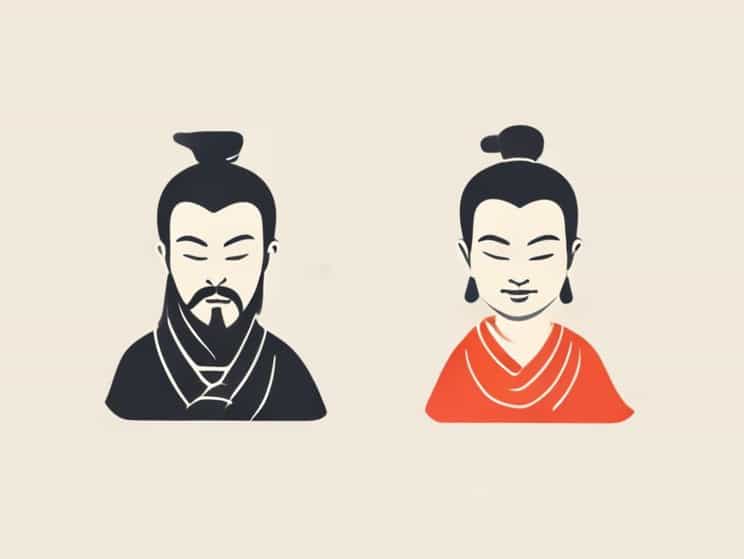
Confucianism and Buddhism are two influential philosophies that have shaped the spiritual, ethical, and cultural landscapes of East Asia for centuries. Despite their distinct origins and teachings, these belief systems share several notable similarities that make them complementary in many societies. Both Confucianism and Buddhism emphasize moral development, self-cultivation, and the importance of ethical conduct in daily life. They provide frameworks for individuals to live harmoniously within their communities, stressing respect, compassion, and mindfulness. Exploring the similarities between Confucianism and Buddhism reveals how these two traditions converge in promoting personal growth, social harmony, and ethical responsibility.
Origins and Historical Context
Confucianism originated in China around the 5th century BCE, founded by the philosopher Confucius. It focuses on social ethics, proper conduct, and the cultivation of virtue, particularly through education and adherence to societal norms. Buddhism, on the other hand, originated in India around the 6th century BCE, founded by Siddhartha Gautama, the Buddha. Its core teachings revolve around understanding the nature of suffering, achieving enlightenment, and practicing compassion. While Confucianism is more socially oriented and concerned with relationships, Buddhism centers on individual spiritual liberation. Despite these differences, both philosophies emphasize the transformation of the self through discipline, moral behavior, and mindfulness.
Focus on Ethical Living
One of the primary similarities between Confucianism and Buddhism is their focus on ethical living. Confucianism teaches that moral virtues such as benevolence, righteousness, propriety, and filial piety are essential for maintaining harmony in society. Similarly, Buddhism emphasizes ethical conduct through principles such as the Five Precepts, which guide individuals to abstain from harming others, stealing, lying, engaging in sexual misconduct, and consuming intoxicants. Both systems recognize that ethical behavior contributes to personal development and creates a more harmonious social environment.
Self-Cultivation and Personal Growth
Another similarity lies in the emphasis on self-cultivation and personal growth. Confucianism encourages individuals to cultivate virtue, wisdom, and moral character through education, reflection, and adherence to societal roles. Buddhism also promotes personal growth through meditation, mindfulness, and understanding the Four Noble Truths. Both traditions believe that personal improvement is a lifelong process and that self-discipline and moral effort are necessary to achieve a meaningful and harmonious life. This focus on self-cultivation links the two philosophies in their shared goal of developing a better, more virtuous individual.
Importance of Social Harmony
Confucianism is known for its strong emphasis on social harmony and the proper conduct of relationships. The philosophy teaches that individuals should act with respect and responsibility toward family, community, and society at large. Buddhism, although more focused on individual spiritual practice, also promotes social harmony through compassion and the principle of non-harming. Both systems recognize that personal behavior affects others and that maintaining harmonious relationships is essential for collective well-being. The shared concern for social order and ethical responsibility demonstrates a key similarity between Confucian and Buddhist teachings.
Compassion and Empathy
Compassion is central to both Confucianism and Buddhism. Confucianism stresses the importance of empathy in human relationships, encouraging people to treat others with kindness, respect, and consideration. Similarly, Buddhism emphasizes compassion (karuna) as a fundamental virtue, guiding individuals to alleviate the suffering of others. Both philosophies teach that ethical behavior extends beyond personal gain, fostering a sense of responsibility and care for the well-being of others. This shared emphasis on compassion strengthens the moral framework of each tradition and promotes harmonious interactions within society.
Rituals and Practices
Both Confucianism and Buddhism incorporate rituals and practices as part of their ethical and spiritual training. In Confucianism, rituals (li) are performed to honor ancestors, maintain social order, and cultivate moral behavior. In Buddhism, meditation, chanting, and other devotional practices serve to develop mindfulness, compassion, and understanding. While the specific rituals differ, the underlying purpose of fostering discipline, ethical awareness, and personal development is a common thread. Rituals in both systems support moral and spiritual growth, reinforcing the values they teach.
Philosophical and Educational Influence
Confucianism and Buddhism have both had profound influences on education and philosophical thought in East Asia. Confucianism shaped educational systems, emphasizing moral instruction and the cultivation of virtuous leaders. Buddhism also influenced learning, encouraging introspection, philosophical inquiry, and the study of scriptures. Both traditions promote reflective thought, ethical reasoning, and the pursuit of knowledge as essential elements of human development. Their combined impact has created societies that value learning, ethical behavior, and the continuous refinement of character.
Guidance for Daily Life
Both philosophies offer practical guidance for daily living. Confucianism provides rules for proper behavior within families, workplaces, and communities, emphasizing duties, respect, and moral integrity. Buddhism offers guidance on mindful living, ethical decision-making, and the cultivation of mental clarity and compassion. In daily life, followers of both traditions are encouraged to act thoughtfully, consider the consequences of their actions, and prioritize harmony with others. This practical approach to ethics and morality illustrates another significant similarity between the two systems.
Complementary Nature
Although Confucianism and Buddhism differ in their ultimate goals-social order and personal enlightenment, respectively-they often complement each other in practice. Many East Asian societies integrate elements of both philosophies, using Confucian principles for social conduct and Buddhist practices for spiritual development. This complementary relationship highlights their shared emphasis on morality, self-cultivation, and compassion. The combination allows individuals to achieve balance between ethical living, personal growth, and societal harmony.
The similarities between Confucianism and Buddhism demonstrate that despite their distinct origins and teachings, both philosophies offer valuable guidance for ethical living, personal growth, and social harmony. They emphasize the importance of compassion, self-cultivation, and mindfulness, providing practical tools for navigating life in a moral and thoughtful way. Rituals, educational influence, and guidance for daily life further reinforce their shared goals of creating virtuous individuals and harmonious communities. Understanding these similarities allows us to appreciate how Confucianism and Buddhism have shaped East Asian cultures and continue to provide meaningful frameworks for ethical and spiritual development in contemporary society.