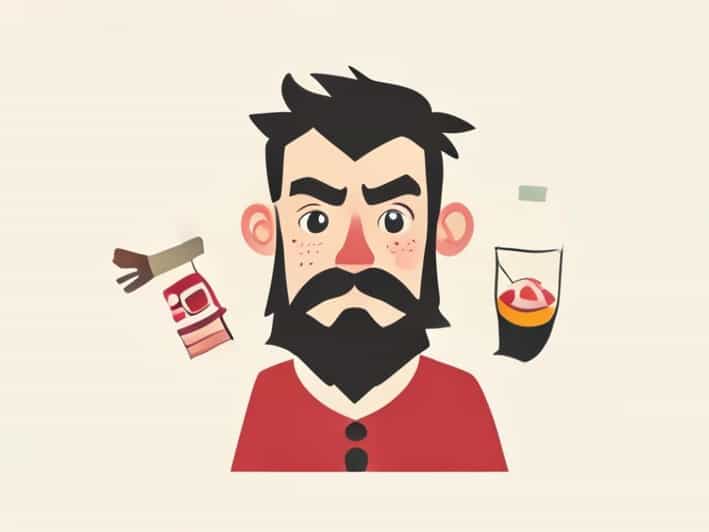
The story of Rumpelstiltskin is one of the most fascinating and mysterious fairy tales ever told. Originating from German folklore and popularized by the Brothers Grimm, this story explores themes of greed, deception, intelligence, and justice. It centers on a poor miller’s daughter, a boastful father, a greedy king, and a strange little man who spins straw into gold. The tale is both a moral lesson and a reflection on human desires and promises that come with hidden prices.
The Beginning of the Story
The story begins with a poor miller who wants to impress the king. In his foolish pride, he boasts that his daughter can spin straw into gold. The king, greedy and curious, summons the miller’s daughter to his castle. He locks her in a room full of straw and demands that she spin it all into gold by morning or face death.
The young woman, terrified and helpless, bursts into tears. She knows that spinning straw into gold is impossible. Just when she believes all hope is lost, a strange little man appears in the room. He has an odd appearance, with quick movements and sharp eyes. He offers to help her on one condition. If she gives him something valuable, he will spin the straw into gold for her. Desperate, she agrees and gives him her necklace. The little man keeps his word and works through the night, turning the straw into glittering gold.
The King’s Greed Grows
When the king enters the room the next morning, he is astonished to see piles of gold where straw once lay. But his greed only grows stronger. He takes the girl to an even larger room filled with straw and demands she repeat the task. Once again, she cries in despair, and once again, the mysterious little man appears. This time, she gives him her ring in exchange for his magical help. By morning, the room is filled with gold once more.
The king, overwhelmed by his desire for more wealth, takes her to a third and final room, even larger than before. He promises that if she can turn this straw into gold, he will marry her. The poor girl, facing death or a lifetime in the king’s service, feels completely hopeless. When the little man appears again, she has nothing left to give him. The creature, however, proposes a new deal he will spin the straw into gold if she promises to give him her firstborn child when she becomes queen. Out of desperation, she agrees.
The Queen’s Dilemma
As promised, the little man spins all the straw into gold, and the king, satisfied at last, keeps his word. He marries the miller’s daughter, making her queen. Time passes, and the queen gives birth to a beautiful child. The joy of her new life, however, is quickly shattered when the little man returns to claim his reward. Horrified, the queen begs him to spare her baby, offering him riches and treasures instead. But the little man refuses, saying that something living is dearer to me than all the treasures in the world.
Moved by her tears, he finally agrees to give her three days to guess his name. If she can find out what he is called, she can keep her child. If not, he will take the baby away forever.
The Challenge of the Name
On the first day, the queen sends out messengers across the land to gather every name they can find. When the little man arrives that night, she recites name after name Casper, Melchior, Balzar but none are correct. The little man laughs and disappears.
On the second day, the queen tries even stranger names Short-Ribs, Sheep-Shanks, and Lace-Legs but the little man shakes his head each time. No, that is not my name, he says gleefully before vanishing again.
On the third day, one of the queen’s messengers returns with an unusual story. Deep in the forest, he had seen a small house with a fire burning outside. Around the fire, a strange little man was dancing and singing joyfully, saying
Tonight, tonight, my plans I spin,
Tomorrow’s child, the queen will win.
No one knows, no one can claim,
That Rumpelstiltskin is my name.
The messenger tells the queen what he heard. That night, when the little man arrives, the queen pretends to guess a few wrong names at first. Then, with calm confidence, she says, Is your name Rumpelstiltskin?
The Defeat of Rumpelstiltskin
At hearing his name, the little man screams in rage. The devil told you that! The devil told you that! he cries, stamping his foot so hard that it drives into the ground. Some versions of the tale say he tears himself in two from anger, while others say he vanishes forever in a puff of smoke. Either way, the queen is free, and her child is safe. Her intelligence and persistence have triumphed over deception.
Characters and Their Symbolism
The story of Rumpelstiltskin features several key characters, each representing different aspects of human nature and morality
- The MillerSymbolizes pride and foolish ambition. His lie sets the entire story in motion.
- The KingRepresents greed and power, caring more for gold than for people.
- The Miller’s Daughter (Queen)Symbolizes innocence and perseverance. She grows from a helpless girl into a clever, determined woman.
- RumpelstiltskinRepresents cunning, secrecy, and the power of names. His magic is tied to mystery, and his downfall comes from being known.
The Meaning Behind the Tale
Rumpelstiltskin is more than a simple fairy tale; it carries deeper moral lessons. It teaches that deceit and greed lead to danger, while intelligence and honesty bring salvation. The story also reflects the old belief that names hold magical power knowing someone’s true name gives control over them. This theme is found in many cultures and legends, showing the connection between identity and strength.
Furthermore, the tale can be seen as a metaphor for human ambition. The miller’s lie and the king’s greed mirror society’s obsession with wealth and status. The queen’s journey, from fear to empowerment, reflects personal growth and resilience under pressure. Her ability to outsmart Rumpelstiltskin shows that knowledge and determination can defeat even the darkest forces.
Different Versions of the Story
While the Brothers Grimm made the story famous, many variations exist across cultures. In some versions, Rumpelstiltskin helps out of pity, not greed. In others, he genuinely wants a child to raise as his own. Some adaptations even portray him as a misunderstood figure who keeps his promises while humans break theirs. Despite these variations, the core message remains the same be careful what you promise, for words carry power.
Legacy and Modern Interpretations
The story of Rumpelstiltskin has remained popular for centuries. It continues to appear in books, films, plays, and television shows. Modern retellings often reinterpret the character of Rumpelstiltskin as more complex sometimes villainous, sometimes tragic. In many adaptations, such as fantasy series and children’s stories, he is portrayed as a magical trickster who represents the dangers of ambition and greed.
The tale’s enduring appeal lies in its combination of mystery, magic, and morality. It speaks to both children and adults, reminding readers that every decision has consequences and that wisdom can overcome deceit. The repeated test of naming also symbolizes the human struggle to uncover truth in a world filled with secrets.
The story of Rumpelstiltskin is a timeless reflection on the balance between power, greed, and knowledge. Through the miller’s daughter’s journey, readers learn about courage, cleverness, and the importance of keeping promises. The mysterious little man, with his strange bargain, remains one of the most intriguing figures in fairy-tale history. His downfall, caused by the revelation of his name, teaches that truth always finds a way to surface. In the end, the story continues to enchant and educate, showing that even in the darkest situations, wisdom and perseverance can turn straw into gold.