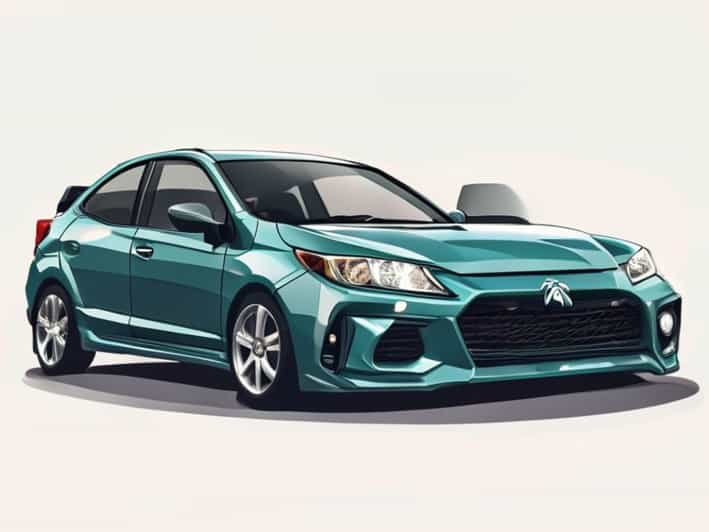
When it comes to compact hatchbacks, few comparisons are as interesting as the Suzuki Baleno vs Toyota Starlet. Both cars offer practicality, efficiency, and affordability, making them popular choices for drivers who need a reliable daily vehicle without breaking the bank. While they share similarities under the hood since they are based on the same platform their styling, features, and brand approach set them apart. This detailed comparison takes a closer look at performance, design, comfort, and value to help you decide which one suits your needs better.
Overview of the Suzuki Baleno
The Suzuki Baleno has long been recognized for its roomy interior and excellent fuel economy. Designed as a premium hatchback, it offers a blend of comfort and practicality that appeals to urban drivers and small families. The current generation of the Baleno has seen major improvements in styling, safety, and technology, making it one of Suzuki’s most refined small cars.
Under the hood, the Baleno is powered by a 1.4-liter four-cylinder petrol engine, paired with either a five-speed manual or a four-speed automatic transmission. It delivers around 68 kW (91 hp) and 130 Nm of torque, offering a smooth and efficient driving experience for everyday use. While it may not be a performance car, the Baleno focuses on comfort and fuel efficiency, with a combined consumption rate of about 5.1L/100km.
Overview of the Toyota Starlet
The Toyota Starlet, a nameplate that made a nostalgic return after years of absence, is Toyota’s version of the Baleno. In fact, it is built on the same platform, a result of Toyota’s partnership with Suzuki. This means the Starlet shares much of its mechanical foundation with the Baleno, but Toyota has added its own touch when it comes to design, suspension tuning, and equipment levels.
The Starlet uses the same 1.4-liter engine and transmission options as the Baleno, providing identical power output and similar fuel efficiency. However, Toyota focuses more on refinement and ride comfort, giving the Starlet a slightly different driving feel. Many buyers are drawn to the Starlet because of Toyota’s strong reputation for reliability, widespread dealer support, and higher resale value compared to Suzuki.
Design and Exterior Comparison
One of the most obvious differences between the Suzuki Baleno and Toyota Starlet lies in their styling. While they share the same body shell, each brand gives the car a unique personality through front-end design, color choices, and trim finishes.
Suzuki Baleno Design
The Baleno has a sleeker and sportier appearance, featuring a bold front grille and smooth, flowing lines. It appeals to drivers who prefer a more modern and slightly youthful look. The headlights are sharp and well-integrated with LED daytime running lights, enhancing its premium character.
Toyota Starlet Design
In contrast, the Toyota Starlet sports a more conservative and clean design. It has a larger grille and rounded contours that align with Toyota’s global design language. This gives it a mature, trustworthy appearance something that long-time Toyota customers often appreciate. Though less flashy than the Baleno, the Starlet exudes understated confidence and reliability.
Interior Features and Comfort
Both the Suzuki Baleno and Toyota Starlet share similar cabin layouts since they originate from the same platform. The differences mostly come down to interior materials, color schemes, and equipment levels depending on the trim.
Inside the Suzuki Baleno
The Baleno’s cabin is airy and spacious, with one of the most generous interiors in its class. The dashboard layout is simple but functional, and higher trims include features like a 7-inch touchscreen infotainment system with smartphone connectivity, steering wheel controls, and automatic climate control. The seats are comfortable for long drives, and the 355-liter boot space is excellent for a hatchback of this size.
Inside the Toyota Starlet
The Starlet offers a similarly well-thought-out interior but adds Toyota’s signature touch of refinement. Soft-touch materials and neat finishing give it a slightly more premium feel. The infotainment system is intuitive, and the touchscreen interface supports Android Auto and Apple CarPlay. Some trims also feature a reverse camera, keyless entry, and push-start functionality, which enhance everyday convenience.
Performance and Driving Experience
While both vehicles share the same engine, their driving characteristics differ slightly due to suspension tuning and steering calibration. Reddit and car review communities often discuss these subtle distinctions, as they influence the overall driving experience.
- Power and AccelerationBoth cars produce the same 68 kW and 130 Nm, providing modest but adequate performance for city and highway driving. The manual version feels a bit more engaging, while the automatic prioritizes smoothness over speed.
- HandlingThe Baleno feels lighter and slightly sportier, while the Starlet has a more composed and cushioned ride. Toyota’s suspension tuning provides better bump absorption, making it the more comfortable choice for uneven roads.
- Fuel EfficiencyBoth cars shine in efficiency, averaging around 5.0 5.5L per 100km depending on driving style. This makes them great options for budget-conscious drivers.
Overall, the driving dynamics are similar, but drivers who prefer a slightly firmer, more responsive ride may lean toward the Baleno, whereas those who value comfort and smoothness might prefer the Starlet.
Safety and Reliability
Safety has become a major factor for modern car buyers, and both hatchbacks perform well in this regard. They are equipped with essential safety features, including dual front airbags, ABS with EBD, and stability control in higher trims. Toyota’s Starlet, however, often wins favor for its perceived reliability and strong after-sales support.
Suzuki’s Baleno is by no means unreliable its simple mechanics make it easy to maintain, and parts are affordable. Yet, Toyota’s brand reputation in durability and resale value gives the Starlet a slight edge. Many drivers trust Toyota’s long-standing record of producing vehicles that last well over a decade with minimal issues.
Pricing and Value for Money
Pricing is where the Suzuki Baleno typically shines. It is usually more affordable than the Toyota Starlet, offering better value for drivers who want the same performance at a lower cost. The Baleno often includes more features at comparable trim levels, which can make it the better deal for budget-conscious buyers.
The Toyota Starlet, on the other hand, commands a small premium due to the Toyota badge and its stronger resale value. Buyers who plan to keep their car for a long time may find this difference negligible, as the Starlet retains its value better in the used car market.
Pros and Cons Summary
Suzuki Baleno Pros
- Lower purchase price
- Spacious interior and large boot
- Sportier appearance
- Good fuel economy
Suzuki Baleno Cons
- Less premium brand image
- Interior materials slightly basic compared to rivals
Toyota Starlet Pros
- Excellent reliability and resale value
- Refined interior with Toyota’s quality touch
- Comfortable and smooth ride
- Wide dealer and service network
Toyota Starlet Cons
- Higher price compared to Baleno
- Less sporty design
Which Hatchback Wins?
The choice between the Suzuki Baleno and Toyota Starlet depends largely on your priorities. If affordability, practicality, and sporty looks are at the top of your list, the Baleno is an excellent choice. It provides all the essentials with impressive efficiency and comfort at a competitive price. However, if you value long-term reliability, brand reputation, and smoother driving comfort, the Toyota Starlet holds the edge.
In essence, both cars share the same heart but wear different personalities. The Baleno is the smart pick for cost-conscious buyers, while the Starlet appeals to those who prefer peace of mind and brand prestige. No matter which one you choose, both represent solid options in the compact hatchback market, offering reliability, efficiency, and everyday driving enjoyment.