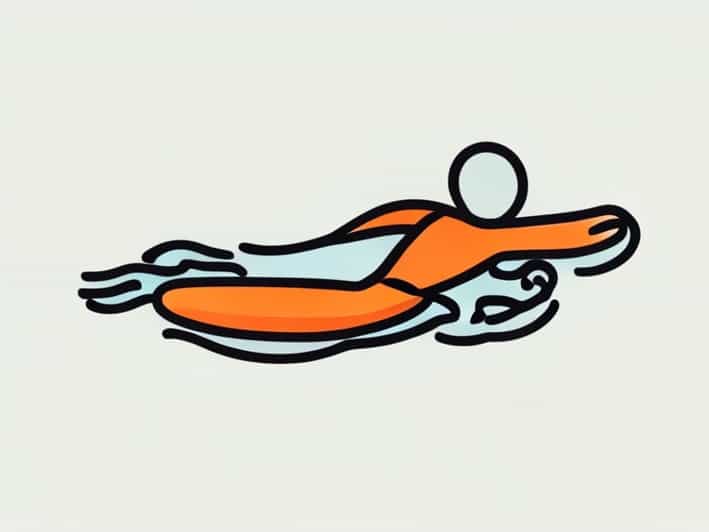
When it comes to swimming efficiently and conserving energy, especially in open water or survival situations, the sidestroke technique stands out as one of the most valuable skills to master. Unlike faster strokes such as freestyle or butterfly, the sidestroke is designed for endurance and practicality. It allows swimmers to maintain a steady pace while keeping their head above water and using minimal effort. Understanding the technique for survival sidestroke body positioning can be the difference between exhaustion and safety in challenging conditions.
Understanding the Purpose of the Sidestroke
The sidestroke is primarily used in situations where conserving energy and maintaining visibility are essential. It has been a fundamental technique in military swimming, lifeguard training, and survival instruction. The goal of this stroke is not speed but efficiency and endurance. It allows a swimmer to move through water with less fatigue, making it especially useful for carrying objects or rescuing another person.
In a survival context, the sidestroke helps maintain buoyancy and keeps breathing easy. Because the swimmer’s head stays above the surface, it reduces the risk of water inhalation and provides a constant view of the surroundings, which is crucial when navigating or waiting for rescue.
Body Position in the Survival Sidestroke
Proper body alignment is essential for mastering the technique for survival sidestroke body control. The swimmer lies on one side, with the body kept as flat and streamlined as possible. This position minimizes drag and allows for smooth, continuous movement through the water.
Here are the key elements of correct body position
- HeadKeep your head in a neutral position, looking forward or slightly upward to maintain awareness of your surroundings.
- Shoulders and torsoAlign your shoulders with the direction of travel. Avoid excessive rotation or twisting that may cause imbalance.
- HipsKeep your hips high and in line with your body to reduce resistance. If your hips drop, you’ll expend more energy to stay afloat.
- LegsExtend your legs fully during the glide phase to maximize propulsion and minimize drag.
The sidestroke’s unique side-body orientation makes it comfortable and sustainable for long distances. It also allows a swimmer to rest one arm at a time, alternating effort between the upper and lower body for balanced endurance.
Arm Movement and Coordination
The arms play a critical role in maintaining rhythm and direction during the sidestroke. Each arm performs a different function, alternating between pulling and recovering to create a smooth and efficient motion.
The Leading Arm
The leading arm, which is closer to the bottom of the pool or the water surface, extends forward during the glide phase. When it pulls, it moves in a sweeping motion toward the chest, pushing water backward and generating forward momentum. After the pull, it straightens out again, preparing for the next stroke.
The Trailing Arm
The trailing arm, which is on the upper side of the body, starts from the chest and pushes backward through the water to assist with propulsion. It then recovers by sliding forward over the water, returning to the starting position near the head. This motion resembles a sculling action that complements the movement of the leading arm.
Timing and Rhythm
Synchronization between the arms is vital. When the leading arm pulls, the trailing arm recovers, and vice versa. Between each cycle, the swimmer glides briefly, allowing momentum to carry them forward. This glide phase is crucial for conserving energy a defining feature of the sidestroke’s efficiency.
The Scissor Kick Power Behind the Stroke
The scissor kick is the foundation of propulsion in the sidestroke. It is performed by extending the legs in opposite directions and then bringing them together forcefully. This motion resembles the opening and closing of a pair of scissors, hence the name.
To execute an effective scissor kick
- Start with your knees slightly bent and your legs close together.
- Move your top leg forward and your bottom leg backward in a controlled motion.
- Snap your legs together quickly, generating forward propulsion.
- Finish with a glide, allowing your momentum to carry you through the water before starting the next stroke cycle.
The scissor kick should be powerful but not exhausting. The secret to mastering it lies in timing combining it smoothly with the arm pull for maximum efficiency. By alternating between the pull and kick, the swimmer maintains continuous forward motion without tiring quickly.
Breathing and Head Position
One of the most significant advantages of the sidestroke is the ease of breathing. Because the swimmer’s face remains above the water for most of the stroke, breathing can occur naturally without the need for strict timing or rotation, as required in freestyle or backstroke.
Maintain a relaxed breathing rhythm. Inhale during the glide phase or when your head is naturally above water, and exhale gently during the arm recovery. This steady breathing pattern helps prevent panic or fatigue during long-distance or survival swims.
Advantages of the Survival Sidestroke Technique
Learning the sidestroke is beneficial for anyone who spends time in or near water. Its practical and energy-efficient nature makes it ideal for survival situations, long-distance swimming, or rescue operations. Some key advantages include
- Energy conservationThe glide phase and alternating arm movements allow for rest between strokes, reducing fatigue.
- Visibility and awarenessThe swimmer’s head remains above water, making it easier to see and navigate.
- Controlled breathingBreathing is unrestricted, which helps maintain calm in stressful situations.
- VersatilityThe stroke can be used to tow objects or another person, which is why it’s a standard part of lifesaving techniques.
- Minimal splashThe sidestroke’s smooth, quiet motion makes it useful for stealth swimming, often practiced in military training.
Common Mistakes and How to Correct Them
Even experienced swimmers can make errors when learning the sidestroke. Awareness of these common mistakes can improve efficiency and safety
- OverkickingUsing too much leg power wastes energy. Focus on smooth, controlled kicks instead.
- Poor timingIf the arms and legs are out of sync, propulsion will suffer. Practice the rhythm pull, kick, glide.
- Low hipsDropping the hips increases drag. Keep your body level with the water.
- Short glide phaseSkipping the glide eliminates the stroke’s energy-saving advantage. Always pause briefly after each kick and pull.
- Tense movementsThe sidestroke should feel relaxed and steady, not forced or jerky.
Applications in Survival and Rescue
The survival sidestroke technique has practical applications beyond recreational swimming. In lifeguard training, it is taught as a way to tow a distressed swimmer to safety without losing control or tiring prematurely. Military personnel also use it for long-distance swimming under load, as it allows for efficient movement while carrying equipment.
For survival at sea or in open water, the sidestroke offers two essential benefits conserving strength and maintaining situational awareness. When combined with floating techniques, it enables a swimmer to endure for extended periods until help arrives.
Training Tips to Improve Technique
To master the survival sidestroke, consistent practice and proper form are key. Swimmers should focus on coordination, endurance, and relaxation. Here are some training tips
- Practice the scissor kick separately to perfect timing and power.
- Work on alternating arm pulls while maintaining a steady glide.
- Perform slow drills emphasizing body alignment and rhythm.
- Build endurance through interval training and long-distance swimming sessions.
- Incorporate breathing exercises to stay calm and efficient during extended swims.
Mastering the technique for survival sidestroke body alignment and movement is not just about learning another swimming style it’s about developing a life-saving skill. Its emphasis on balance, efficiency, and endurance makes it ideal for both emergency situations and professional training. Whether you are a lifeguard, a soldier, or simply someone who enjoys open-water swimming, the sidestroke offers the perfect blend of practicality and endurance. By practicing correct form, breathing steadily, and maintaining calm, you can make the sidestroke one of your most reliable tools for survival in water.