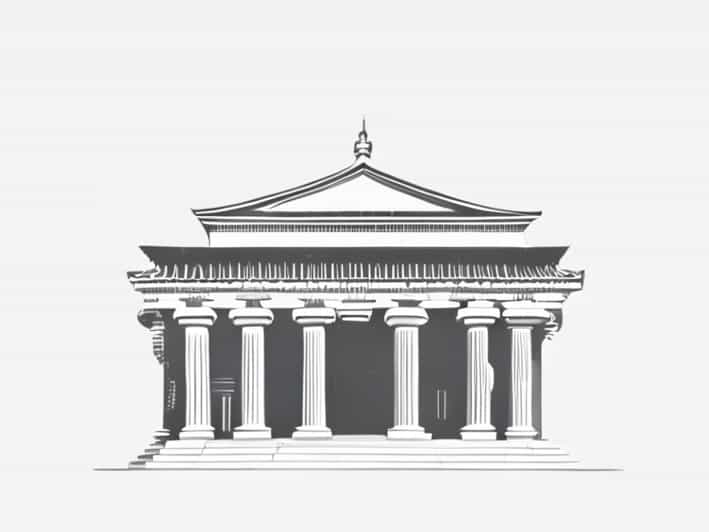
The Temple of Zeus at Olympia stands as one of the most significant monuments of ancient Greek architecture and art. Built in the 5th century BCE, it was not only a religious sanctuary dedicated to Zeus, the king of the gods, but also a symbol of the cultural and artistic achievements of classical Greece. Among its most remarkable features were the sculptural decorations on its pediments. The east pediment of the Temple of Zeus is particularly famous for its powerful depiction of a mythological scene the chariot race between Pelops and Oenomaus. This sculpture represents both the artistic mastery and the deep storytelling tradition of ancient Greece, blending myth, morality, and divine order into stone.
The Temple of Zeus at Olympia
The Temple of Zeus was constructed between 472 and 456 BCE under the supervision of the architect Libon of Elis. It was a massive Doric temple located in Olympia, one of the most sacred sites in ancient Greece and the birthplace of the Olympic Games. The temple measured approximately 64 meters in length and 28 meters in width, standing tall as a symbol of Greek devotion to their chief deity. Inside the temple once stood the colossal statue of Zeus, crafted by the sculptor Phidias, which was considered one of the Seven Wonders of the Ancient World.
The structure was adorned with detailed sculptures on both its east and west pediments, as well as metopes that illustrated the Twelve Labors of Heracles. These sculptural works were not merely decorative they conveyed complex mythological themes that expressed Greek values such as justice, competition, and divine intervention. The east pediment, in particular, captured a scene of anticipation and moral tension rather than physical action, showcasing a unique approach to storytelling through sculpture.
The Story Depicted on the East Pediment
The east pediment of the Temple of Zeus portrays the myth of Pelops and Oenomaus, a story deeply tied to the origins of the Olympic Games. According to Greek mythology, King Oenomaus of Pisa had a daughter named Hippodamia, whom many suitors desired to marry. However, Oenomaus would only give his daughter’s hand to the man who could defeat him in a chariot race. If the suitor lost, he would be killed. Many had tried and failed until Pelops arrived.
Pelops, with the help of divine favor and strategy, challenged Oenomaus to the race. Before the competition, Pelops convinced Oenomaus’ charioteer, Myrtilus, to sabotage the king’s chariot by replacing the bronze linchpins with wax ones. During the race, the chariot collapsed, killing Oenomaus. Pelops emerged victorious and married Hippodamia. However, the story does not end there Pelops later killed Myrtilus in betrayal, leading to a curse on his descendants, a recurring theme in Greek myths of fate and punishment.
Composition and Artistic Structure of the East Pediment
The east pediment was designed to fit within the triangular shape of the temple’s façade, measuring over 26 meters wide and about 3.5 meters high at its center. The sculptural group, carved from Parian marble, was arranged in a balanced yet emotionally charged composition. At the center stood the figure of Zeus, calm and composed, symbolizing divine justice and impartial authority. On either side of him were Pelops and Oenomaus, preparing for the race. The central figures were flanked by others connected to the story, including Hippodamia, Myrtilus, and various attendants and chariots.
Unlike the west pediment, which depicted the chaotic battle of the Lapiths and Centaurs, the east pediment focuses on a moment of stillness before the action begins. The sculptor captured the psychological tension of anticipation the calm before the storm. This approach reflects the Classical Greek emphasis on balance, harmony, and restraint. The figures are carefully arranged to direct the viewer’s gaze toward the center, where divine authority (Zeus) oversees the human drama unfolding before him.
The Central Figure Zeus
Zeus dominates the composition not through physical movement but through presence and symbolism. Standing erect with a serene expression, he serves as the moral and divine arbiter of the upcoming contest. His stillness contrasts sharply with the underlying tension of the surrounding figures. This compositional technique emphasizes the theme of divine justice the idea that human ambition and deceit will ultimately be judged by the gods.
Pelops and Oenomaus The Mortal Contestants
On either side of Zeus are the two main human figures, Pelops and Oenomaus. Pelops is depicted as youthful and noble, representing courage and cunning, while Oenomaus appears older and powerful, embodying authority and pride. Their gazes are directed toward each other, creating a visual dialogue that intensifies the narrative. Between them, the chariots and horses add to the sense of readiness and competition, though their stillness reinforces the overall calm before the event.
Supporting Figures and Symbolism
Hippodamia, the cause of the contest, stands near her father, Oenomaus, with a gesture of concern or prayer. Myrtilus, the charioteer, is positioned subtly, hinting at his crucial role in the deception to come. At the far ends of the pediment, reclining river gods symbolize the local geography of Olympia, grounding the myth in a specific sacred setting. These figures not only balance the composition but also connect the mythological story to the physical and spiritual landscape of Greece.
Artistic Style and Technique
The sculptures of the east pediment represent a transition from the Archaic to the Classical style of Greek art. The rigid poses and stylized forms of earlier periods gave way to more naturalistic proportions and expressive faces. The sculptor’s attention to anatomy, drapery, and emotional subtlety demonstrates the evolving mastery of form and realism that would define Classical sculpture.
The calm and restrained expressions of the figures reflect the Greek ideal of sophrosyne self-control and rationality even in moments of intense emotion. Rather than dramatic gestures, the sculptor used posture, gaze, and proportion to convey psychological depth. This artistic sophistication was a hallmark of the High Classical period and made the Temple of Zeus a model for later Greek temples.
Meaning and Interpretation of the Pediment
The myth of Pelops and Oenomaus carries moral and cultural significance that aligns with the themes of Olympia. The story warns against arrogance and deceit, emphasizing the role of divine justice in human affairs. Zeus’ central position reinforces this moral order, reminding viewers that even heroes are subject to the gods’ judgment.
Furthermore, the myth’s association with the founding of the Olympic Games connects the pediment’s imagery to the religious and athletic practices of Olympia. The games themselves were acts of devotion to Zeus, celebrating human excellence within divine boundaries. The east pediment thus served not only as a decorative element but also as a moral and spiritual lesson for those who visited the sanctuary.
The Pediment’s Legacy
Today, the sculptures from the east pediment are preserved in the Archaeological Museum of Olympia, where they continue to captivate scholars and visitors alike. Though time and weather have eroded much of their original detail, the artistry and storytelling remain evident. The pediment stands as a testament to ancient Greek craftsmanship and to the enduring power of myth as a vehicle for cultural identity and philosophical reflection.
Comparing the East and West Pediments
While the east pediment emphasizes order and divine oversight, the west pediment of the Temple of Zeus portrays a scene of chaos the battle between the Lapiths and the Centaurs at the wedding of Pirithous. Together, these two pediments represent a moral duality one side illustrating discipline and divine order, the other the dangers of savagery and excess. This balance between restraint and passion mirrors the broader Greek worldview, where harmony could only be achieved through the moderation of human impulses.
The east pediment of the Temple of Zeus at Olympia is a masterpiece of ancient Greek art and storytelling. Through its depiction of the myth of Pelops and Oenomaus, it captures the essence of Classical ideals balance, rationality, and the moral authority of the gods. The calm presence of Zeus, the poised tension between the competitors, and the harmony of composition all reflect a civilization deeply invested in exploring the relationship between humanity and divinity. More than a decorative sculpture, it stands as a moral allegory carved in stone, reminding viewers that in the realm of gods and men, justice and virtue remain the ultimate measures of greatness.