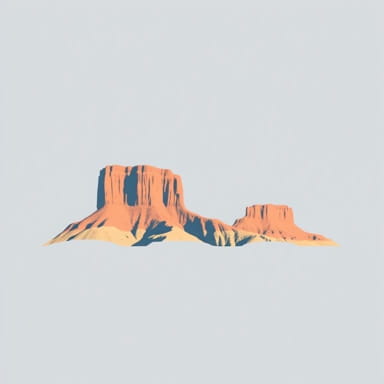
Stretching across the rugged landscape of southwestern South Dakota, the Badlands are a striking natural wonder known for their dramatic rock formations, fossil beds, and wide-open prairies. This unique region offers a breathtaking contrast between sharply eroded buttes and serene grasslands, making it a must-visit destination for nature lovers, photographers, geologists, and travelers looking for a truly American adventure. The Badlands South Dakota isn’t just a park it’s a place where natural history, indigenous culture, and stunning scenery converge in unforgettable ways.
Introduction to Badlands National Park
The heart of this region is Badlands National Park, covering nearly 244,000 acres of protected land. The park is home to some of the most unusual and captivating geological formations in the United States. Layered rock spires, deep canyons, and fossil-rich sedimentary deposits paint a colorful and otherworldly landscape that changes with the light of day.
Located about 60 miles east of Rapid City, Badlands National Park draws hundreds of thousands of visitors each year who come to hike, camp, and learn about the area’s fascinating past. It is also a sacred place for the Lakota people, whose ancestral history is deeply intertwined with the land.
Geology and Fossils
Formation of the Landscape
The Badlands were formed over millions of years by the forces of deposition and erosion. Sediment from ancient seas, rivers, and volcanic ash built up in layers, which were then slowly sculpted by wind and water. Today, visitors can observe colorful rock layers that date back nearly 75 million years.
Because of its constantly eroding nature, the Badlands is often called a living laboratory. The formations you see today are only temporary; they are continuously changing with every storm and rainfall. The region offers an exceptional opportunity to observe active geological processes in real-time.
Fossil Treasures
The Badlands South Dakota is one of the richest fossil beds in North America. Fossils of ancient horses, rhinoceroses, saber-toothed cats, and marine reptiles have been unearthed in the area. These discoveries have helped scientists piece together the prehistoric story of the Great Plains and its evolution through time.
The Fossil Exhibit Trail inside the park features fossil replicas and interpretive signs, making it easy for visitors to learn about the creatures that once roamed this wild landscape.
Wildlife and Nature
Prairie Ecosystem
While the rocky formations may steal the show, the grasslands of the Badlands support a thriving prairie ecosystem. The park is home to a diverse array of plant and animal life, much of it specially adapted to the harsh conditions of the region.
- Bison: Often seen grazing in open fields, these iconic animals are a symbol of the American West.
- Bighorn Sheep: Commonly spotted on the cliffs and ledges, known for their impressive horns and agility.
- Prairie Dogs: Found in large colonies called ‘towns,’ these small creatures are fun to watch and play an important ecological role.
- Black-footed Ferret: Once thought extinct, these elusive predators have been successfully reintroduced into the park.
- Golden Eagles and Hawks: Soaring overhead, these birds of prey are often seen hunting in the wide-open skies.
Spring and early summer are great times to visit if you’re interested in wildflowers and birdwatching. The plains bloom with vibrant colors, and migratory birds make their appearance across the park.
Things to Do in the Badlands
Scenic Drives
One of the most popular ways to explore the Badlands is by car. The Badlands Loop Road (Highway 240) offers stunning views of the rock formations and numerous pullouts where you can stop, take photos, and soak in the scenery. The 31-mile route is paved and suitable for all vehicles.
Key stops along the drive include:
- Big Badlands Overlook
- Panorama Point
- Yellow Mounds Overlook
- Conata Basin
Hiking Trails
For those who prefer to explore on foot, the Badlands offers several well-maintained hiking trails. Trails vary in difficulty and length, so there’s something for every level of hiker.
- Notch Trail: A moderate 1.5-mile hike with a log ladder and spectacular views
- Door Trail: Easy and accessible, with a boardwalk leading to a rocky canyon
- Window Trail: Short and scenic, perfect for quick photo ops
- Saddle Pass Trail: A steep climb that connects to longer backcountry trails
Always bring plenty of water, wear sturdy shoes, and keep an eye on the weather sudden changes can occur, especially in the summer months.
Camping Under the Stars
Camping in the Badlands is an unforgettable experience. With minimal light pollution, the night sky reveals a dazzling blanket of stars. The park has two main campgrounds:
- Cedar Pass Campground: Offers restrooms, picnic tables, and easy access to the visitor center
- Sage Creek Campground: A primitive site popular with bison watchers and stargazers
For those seeking more solitude, backcountry camping is allowed in designated areas with a free permit. Be prepared to pack in and pack out everything, as facilities are not available in remote zones.
Visitor Centers and Educational Resources
The Ben Reifel Visitor Center is the main hub for park information, maps, exhibits, and ranger-led programs. It’s a great place to start your trip and learn about the geology, ecology, and cultural history of the area. The center also houses a working fossil lab where paleontologists examine and preserve new discoveries.
Throughout the year, the park hosts events and interpretive talks on topics like Lakota heritage, prairie ecology, and wildlife conservation. These programs enhance the visitor experience and provide deeper context to the landscape around you.
Planning Your Visit
When to Go
The Badlands are open year-round, but the most popular time to visit is between May and September. Summer months can be hot and dry, with daytime temperatures reaching over 90°F (32°C). Spring and fall offer cooler weather and fewer crowds, making them ideal for hiking and photography.
Winter visitors will find a quiet, starkly beautiful landscape, though some roads and facilities may be closed due to snow or ice.
Getting There
Badlands National Park is easily accessed from Rapid City via Interstate 90. The town of Wall, just north of the park, serves as a convenient gateway with gas stations, restaurants, and the famous Wall Drug Store.
Entry to the park requires a fee, valid for seven days per vehicle. Annual passes and interagency passes are also accepted.
The Badlands of South Dakota offer one of the most visually stunning and geologically significant landscapes in the United States. With towering spires, colorful canyons, rich fossil beds, and diverse wildlife, the park provides countless opportunities for exploration and education. Whether you’re driving through the scenic loop, camping under the stars, or hiking into the rugged terrain, the Badlands will leave you with a deep appreciation for nature’s power and beauty. A visit here is not just a trip it’s a journey through time, land, and sky.