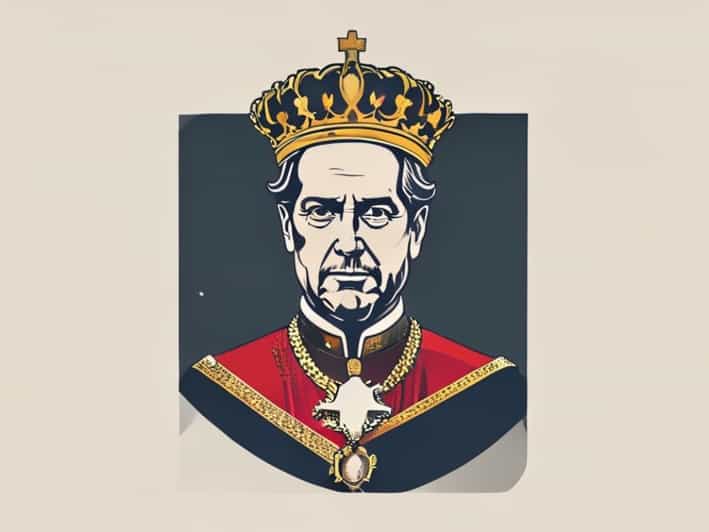
The coronation of King Charles marked a historic moment in the United Kingdom, drawing attention from citizens and monarchists around the world. This grand ceremony represented not only the formal ascension of a new monarch but also a continuation of centuries-old traditions that define the British monarchy. Crowds gathered along the streets, flags waved in celebration, and the media extensively covered every detail of the event. Beyond its pomp and ceremony, the coronation also symbolized a period of reflection on the monarchy’s evolving role in modern society and the responsibilities that King Charles now assumes as head of state and symbol of national unity.
Historical Background
The coronation of a British monarch is a ceremony steeped in tradition, tracing its roots back over a thousand years. King Charles’ coronation followed the passing of Queen Elizabeth II, whose reign lasted over seven decades. This transition not only marked a generational change but also reflected the enduring relevance of the monarchy in contemporary Britain. Historically, coronations have combined religious rituals, political symbolism, and public spectacle to legitimize the monarch’s authority, a practice that King Charles’ ceremony carefully maintained while incorporating elements relevant to the 21st century.
The Line of Succession
King Charles ascended the throne as the eldest son of Queen Elizabeth II, following the hereditary principles that govern succession in the United Kingdom. His long tenure as Prince of Wales allowed him to prepare for the responsibilities of monarchy, including ceremonial duties, charitable work, and diplomatic engagements. The coronation therefore represented the culmination of decades of public service, a moment where preparation and tradition intersected with national expectation.
The Ceremony and Key Rituals
The coronation ceremony itself took place at Westminster Abbey, a historic site for British monarchs for over 900 years. The event included a sequence of meticulously choreographed rituals, each imbued with symbolic meaning. From the procession into the Abbey to the anointing, crowning, and oath-taking, every step reflected a continuity of tradition and an affirmation of King Charles’ role as both a religious and political figure.
Procession and Arrival
The day began with a formal procession through the streets of London, allowing the public to witness the monarch’s entrance. Members of the royal family, government officials, and dignitaries from around the world joined the parade, highlighting the international significance of the event. Spectators lined the streets to cheer, capturing photographs and waving flags. This procession not only showcased the ceremonial grandeur but also emphasized the accessibility of the monarchy to its citizens, blending formality with public engagement.
Anointing and Crowning
At the heart of the coronation is the anointing, a sacred ritual conducted by the Archbishop of Canterbury. During this moment, King Charles received holy oil, signifying divine approval and spiritual responsibility. Following the anointing, the monarch was crowned with the traditional St. Edward’s Crown, a symbol of authority that has been used for centuries. These rituals, while ancient, were adapted to reflect the modern era, emphasizing inclusivity and continuity while respecting centuries-old tradition.
Oaths and Commitments
Another key component of the ceremony involved the taking of oaths, in which King Charles pledged to uphold the laws, serve the people, and protect the Church of England. These declarations reinforced the dual role of the monarch as a constitutional figurehead and moral leader. The oaths also served to reassure citizens that their new monarch recognized the responsibilities of leadership, balancing ceremonial grandeur with practical governance.
Public Celebrations and Media Coverage
Beyond the religious and political aspects, the coronation was a cultural event celebrated throughout the nation. Street parties, concerts, and local festivities provided opportunities for citizens to participate in the historic occasion. Media coverage played a crucial role, broadcasting the event live to millions of viewers around the world. Newspapers, television channels, and online platforms captured every detail, from fashion and protocol to the public’s reaction, creating a shared experience that transcended geographic boundaries.
Fashion and Royal Attire
The attire worn by King Charles and attending dignitaries drew considerable attention. Traditional robes, ceremonial sashes, and meticulously crafted crowns highlighted the pageantry associated with British royalty. Female members of the royal family wore formal gowns and tiaras, reflecting both heritage and contemporary style. The careful selection of attire underscored the blend of historical reverence and modern elegance that defined the event.
Global Participation
World leaders, diplomats, and representatives from numerous countries attended the coronation, emphasizing the monarchy’s global diplomatic significance. Their presence reinforced international ties and showcased the United Kingdom’s role on the world stage. The gathering of foreign dignitaries also symbolized respect for the continuity and stability represented by the British monarchy, bridging past traditions with contemporary global relations.
Symbolism and National Identity
The coronation of King Charles carried profound symbolic meaning, serving as a reminder of the monarchy’s role in shaping national identity. The event emphasized unity, heritage, and the responsibilities of leadership. It also provided an opportunity for reflection on the monarchy’s evolving relevance in a modern, multicultural society. By blending ancient rituals with contemporary considerations, the ceremony acknowledged both history and the future of the United Kingdom.
Religious Significance
The religious components of the coronation reaffirmed the connection between the monarchy and the Church of England. The anointing, prayers, and blessings highlighted the spiritual dimension of kingship, suggesting that moral and ethical guidance is integral to governance. This religious foundation, while traditional, also communicated values of service, humility, and stewardship to the wider public.
Political and Constitutional Importance
While largely ceremonial, the coronation also carried constitutional significance. It reaffirmed the monarch’s role within the framework of parliamentary democracy and highlighted the balance of power between the Crown and elected officials. By taking oaths to uphold laws and serve the people, King Charles demonstrated his commitment to constitutional responsibilities, ensuring that the monarchy remains a stabilizing and unifying force within British society.
Challenges and Modern Considerations
Organizing a coronation in the modern era presents unique challenges. Security, logistics, media coverage, and public engagement all require careful planning. Additionally, the monarchy must navigate contemporary expectations regarding transparency, inclusivity, and relevance. King Charles’ coronation addressed these challenges by incorporating modern elements, such as eco-friendly considerations, live broadcasts, and wider public participation, ensuring that the event resonated with today’s audience while honoring tradition.
Inclusivity and Diversity
The ceremony emphasized inclusivity by acknowledging the diverse communities that make up modern Britain. Invitations, performances, and participation included representatives from different cultural, religious, and social groups, reflecting the monarchy’s recognition of the country’s evolving demographic landscape. This approach highlighted the monarchy’s adaptability and willingness to engage with a broad spectrum of society, reinforcing its continued relevance.
Legacy of the Coronation
The coronation of King Charles will be remembered as a landmark event in British history. It captured the intersection of tradition, ceremony, and modernity, while also highlighting the personal commitment of a monarch to serve his country. Beyond the pageantry, the coronation provided a moment for national reflection, celebration, and unity. Its legacy will influence future generations, offering insights into the enduring role of monarchy in shaping culture, identity, and governance.
Historical Documentation
Records of the coronation, including photographs, video footage, and written accounts, will serve as valuable historical documents. These materials will help historians, scholars, and the public understand the significance of the event, the cultural context, and the evolution of British ceremonial practices. The documentation also ensures that the memory of this pivotal moment remains accessible for generations to come.
Public Memory and National Identity
The coronation reinforced a sense of shared national identity, connecting citizens through a common historical and cultural experience. Public celebrations, media coverage, and personal participation created a collective memory that will endure. This shared experience contributes to a sense of continuity, belonging, and civic pride, ensuring that the coronation of King Charles is not only a historical milestone but also a living part of contemporary British identity.
The coronation of King Charles represented a historic and symbolic event, blending centuries-old traditions with contemporary considerations. Through its religious rituals, ceremonial grandeur, public celebrations, and global attention, the event highlighted the monarchy’s enduring role in British society. Beyond the pomp and pageantry, the coronation emphasized the responsibilities of leadership, the importance of unity, and the evolving relevance of the Crown in a modern, multicultural nation. As a moment of historical significance, cultural reflection, and national celebration, the coronation of King Charles will remain a defining chapter in the history of the British monarchy, remembered for its balance of tradition, modernity, and enduring symbolism.