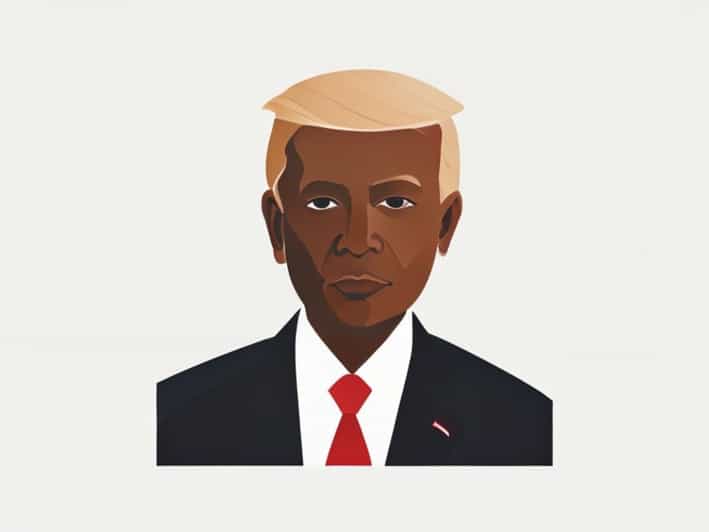
The political landscape of the East African nation of Burundi has been shaped in recent years by the leadership of Ãvariste Ndayishimiye, who serves as the country’s tenth president. His tenure begins amid significant challenges and opportunities, including domestic reform, regional diplomacy, and a desire to shift away from a history of political turmoil. Understanding his background, policies, and the environment in which he governs is important for gaining insight into Burundi’s current path and what the future might hold for this country.
Background and Early Life
Ãvariste Ndayishimiye was born in 1968 in Giheta, Gitega Province, Burundi. contentReference[oaicite2] Before entering highlevel politics, he became active in the ruling party, the Conseil national pour la défense de la démocratie Forces pour la défense de la démocratie (CNDDFDD), which originated as a rebel movement during the Burundian Civil War. contentReference[oaicite4] His path to national leadership was shaped by both the conflict’s legacy and the postwar transition of the country. He studied law at the University of Bujumbura starting in 1995. contentReference[oaicite5]
Rise to the Presidency
Ndayishimiye was chosen as the CNDDFDD’s presidential candidate in early 2020. contentReference[oaicite6] After the sudden death of his predecessor, Pierre Nkurunziza, on June 8, 2020, the succession process accelerated and Ndayishimiye was sworn in on June 18, 2020. contentReference[oaicite8] His election and swearingin occurred amid hopes for reform as well as skepticism from those aware of the country’s history of political repression.
Political Platform and Governance Approach
At his inauguration, Ndayishimiye pledged to protect national unity, promote social justice, and restore national institutions. contentReference[oaicite9] His leadership style has sought to present a more open and inclusive image than past administrations, emphasizing development, reform, and cooperation with international partners.
Key Policy Areas
The president’s agenda can be understood through several major focus areas
- National unity and social cohesionAddressing ethnic tensions and strengthening a sense of shared Burundian identity.
- Economic developmentImproving infrastructure, revitalizing agriculture, and attracting investment to boost the economy.
- Institutional reformStrengthening the judiciary, public sector governance, and rule of law institutions.
- Regional and international relationsEngaging with neighbours in the Great Lakes region and improving diplomatic ties.
Challenges Facing the Presidency
Despite ambitions of reform and growth, President Ndayishimiye confronts a number of serious challenges in his leadership of Burundi. These obstacles are deeply rooted in the country’s past and present realities.
Economic and Social Pressures
Burundi remains one of the world’s poorest countries. It faces chronic poverty, food insecurity, infrastructure gaps, and dependence on agriculture for the majority of livelihoods. contentReference[oaicite10] The president’s ability to deliver economic improvements is crucial to his legitimacy and the nation’s stability.
Human Rights and Political Freedoms
Although there have been signals of openness, concerns persist regarding democratic space, human rights, and media freedom. The ruling party’s dominance and past practices raise questions about how much genuine reform is possible under the current system. contentReference[oaicite11]
Regional Security and Diplomacy
Located in a region with complex geopolitics, Burundi under Ndayishimiye has had to navigate tensions with neighbouring states, particularly in relation to the conflicts in the eastern Democratic Republic of the Congo (DRC) and accusations of external interference. contentReference[oaicite12] The ability to maintain stability and build productive relationships is central to his presidency.
Domestic Achievements and Criticisms
During his time in office, President Ndayishimiye has registered some achievements while also attracting criticism for certain aspects of his governance.
Achievements
- Swearingin of a new era of leadership following a longserving predecessor. contentReference[oaicite13]
- Commitments made to public sector reform and outreach to development partners. contentReference[oaicite14]
- Some progress in regional diplomacy and efforts to reposition Burundi internationally. contentReference[oaicite15]
Areas of Concern
- Electoral processes and claims of monopolised power, such as reports of the ruling party winning all seats in legislature elections. contentReference[oaicite16]
- Poor economic results relative to ambitious reform goals, with many citizens still facing extreme hardship. contentReference[oaicite17]
- Challenges in translating reform pledges into concrete changes in governance and transparency. External observers remain cautious. contentReference[oaicite18]
Looking Ahead The Future under Ndayishimiye
The future trajectory of Burundi under President Ndayishimiye suggests several possible directions and areas to watch as his leadership continues. Understanding these can shed light on the country’s broader potential and risks.
Opportunities for Growth
If the president succeeds in mobilising investment, improving infrastructure, and harnessing agriculture and mining potential, Burundi could see meaningful improvements in living standards and economic resilience. Efforts to normalise international relations and remove sanctions offer additional opportunities.
Risks and Uncertainties
On the flip side, the sustainability of this leadership depends on how well the president addresses deeprooted institutional weaknesses, ensures political inclusion, and responds to public expectations. Without credible progress, popular frustration may rise and erode confidence. Regional security issues and external influences also pose risks.
Ãvariste Ndayishimiye’s presidency represents a pivotal chapter in Burundi’s history. His rise to power, the agenda he has set, and the challenges he faces reflect the hopes and complexities of a country that seeks stability, prosperity, and justice. While his leadership holds the promise of a new direction for Burundi, the reality of governance, institutional change, and regional dynamics means that much remains to be accomplished. The coming years will test whether the president can convert his vision into tangible results and secure lasting improvement for the Burundian people.