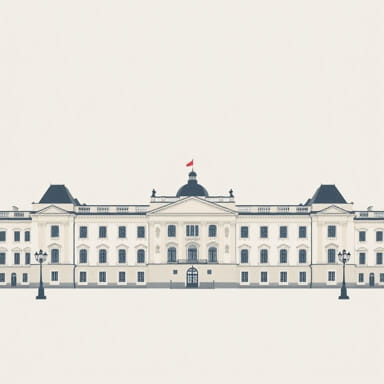
In the heart of Luxembourg City stands one of the nation’s most iconic and elegant buildings The Grand Ducal Palace. This historic residence, with its striking façade and blend of architectural styles, serves as the official home of the Grand Duke of Luxembourg. Beyond its political function, the palace represents the cultural and historical soul of the country. As a landmark of national pride, it draws visitors from around the world eager to experience the grandeur and tradition of the Luxembourg monarchy.
Location and Historical Significance
The Grand Ducal Palace is located in the Old Town of Luxembourg City, surrounded by charming cobbled streets and historical landmarks. Its central position makes it easily accessible to both tourists and locals exploring the capital. The palace sits near Place Guillaume II and is just a short walk from other attractions such as the Notre-Dame Cathedral and the Bock Casemates.
Originally constructed in the 16th century, the building has served multiple purposes throughout its existence. It began as the city’s town hall before becoming the administrative headquarters during the reign of the Dutch kings. In 1890, it was designated as the residence of the Grand Duke, marking its transformation into the Grand Ducal Palace as it is known today.
Architectural Style and Restoration
The palace showcases a remarkable mix of Renaissance and Baroque influences. Its intricate stonework, arched windows, and elegant turrets reflect the architectural trends of the Spanish Renaissance period. The richly decorated exterior is matched by a lavish interior featuring carved woodwork, chandeliers, tapestries, and fine furnishings.
Despite the passage of centuries, the Grand Ducal Palace has been carefully maintained and restored. A major renovation took place in the 1990s, ensuring the building’s structural integrity and updating essential features while preserving its historical integrity. The attention to detail in these restorations highlights Luxembourg’s dedication to preserving its cultural heritage.
Official Residence and Ceremonial Functions
The Grand Ducal Palace is not just a historic monument it is an active residence and the working office of the Grand Duke. It is here that the Grand Duke hosts foreign dignitaries, holds state meetings, and participates in national ceremonies. The palace plays a vital role in the formal functions of the constitutional monarchy of Luxembourg.
Key Roles of the Palace
- Hosting state banquets and diplomatic receptions
- Holding official audiences with government officials
- Announcing national celebrations and proclamations
- Serving as the Grand Duke’s workspace for official duties
As the administrative center of Luxembourg’s monarchy, the palace remains an enduring symbol of national unity and sovereignty.
Public Access and Guided Tours
While the Grand Ducal Palace functions as a royal residence, it is open to the public during select periods of the year. Typically, guided tours are available in the summer months when the Grand Duke is away on vacation. These tours provide a rare glimpse inside the lavish halls and state rooms that are otherwise reserved for official functions.
Visitors are guided through several rooms, including the Grand Duke’s office, the Yellow Room, and the Chamber of Deputies. Knowledgeable tour guides share insights about the history, furnishings, and protocols associated with royal life. Photography is often restricted inside the palace to preserve its furnishings and artworks.
Tips for Visitors
- Book tickets in advance, especially during peak tourist season
- Check the official tourism calendar for opening dates
- Wear comfortable shoes as tours involve walking through multiple levels
- Arrive early to enjoy the palace’s exterior and surroundings
For those interested in European monarchies, architecture, or political history, the palace tour offers a meaningful and enriching experience.
Changing of the Guard
One of the highlights for many visitors is witnessing the Changing of the Guard ceremony. Held in front of the palace, the ceremony is carried out by the Luxembourg Army and follows strict military tradition. The guards wear ceremonial uniforms and stand watch at the palace entrance, adding a touch of regality to the area.
The event takes place regularly during the daytime and serves both as a security measure and a symbol of the enduring presence of the Grand Ducal family. Tourists often gather to watch the precise and respectful ritual, capturing photos of the uniformed guards and the historic building behind them.
Cultural Symbol and National Identity
The Grand Ducal Palace is more than a royal residence it is a cultural icon of Luxembourg. Its presence in the center of the capital city reflects the nation’s deep respect for its history, governance, and heritage. For many Luxembourgers, the palace represents stability, tradition, and the dignity of the constitutional monarchy.
It also plays a central role in national holidays and celebrations. During National Day, held in June, the palace is brightly illuminated and serves as a focal point for parades and public events. The royal family often greets citizens from the palace balcony, reinforcing the connection between the monarchy and the people.
Nearby Attractions and Experiences
Visiting the Grand Ducal Palace is often part of a broader exploration of Luxembourg’s charming capital. The Old Town is a UNESCO World Heritage site, and its narrow streets are filled with museums, shops, cafes, and historic sites. Many attractions are within walking distance, allowing for a relaxed yet culturally rich day.
Points of Interest Around the Palace
- Notre-Dame Cathedral: The national cathedral and a place of royal ceremonies
- Bock Casemates: Ancient tunnels and fortifications with stunning views
- Museums of Luxembourg City: Art, history, and photography exhibits
- Place d’Armes: A lively square with dining and entertainment
Combining a visit to the palace with nearby landmarks makes for a fulfilling cultural experience in one of Europe’s smallest yet most picturesque capitals.
The Grand Ducal Palace stands as a symbol of Luxembourg’s rich history, cultural pride, and monarchical tradition. From its exquisite architecture to its role in modern governance, the palace blends past and present in a truly remarkable way. Whether you’re admiring its grand exterior, witnessing the Changing of the Guard, or stepping inside during a summer tour, the palace offers a glimpse into the heart of Luxembourg’s national identity. For anyone visiting Luxembourg City, this elegant landmark is not to be missed.