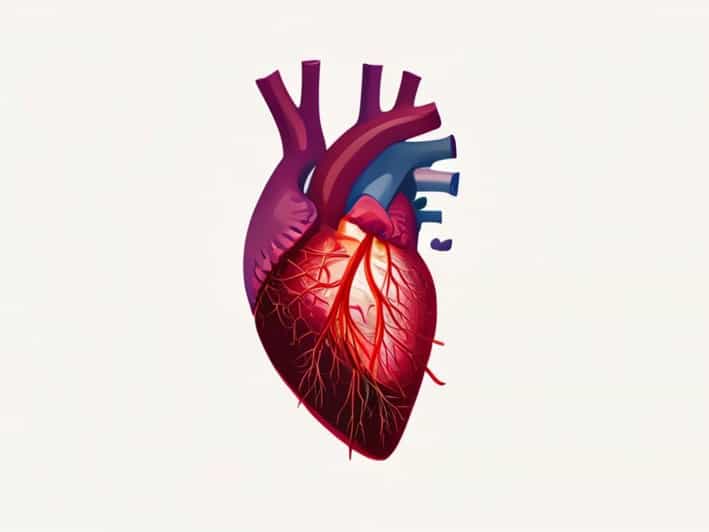
The human heart relies on a complex network of blood vessels to function properly, and among these vessels, cardiac veins play a vital role in returning deoxygenated blood from the heart muscle to the circulation. One structure that often appears in anatomy lessons and medical discussions is the great cardiac vein. Many students and readers encounter the phrase the great cardiac vein runs alongside the… and seek to understand what this means in practical and anatomical terms. Exploring this topic helps clarify how the heart’s venous and arterial systems are closely connected and why this relationship is important for both health and clinical practice.
Overview of the Great Cardiac Vein
The great cardiac vein is the largest vein draining the heart. Its main function is to collect deoxygenated blood from the myocardium, particularly from the left side of the heart, and transport it to the coronary sinus. From there, the blood flows into the right atrium.
This vein is especially significant because it drains areas of the heart that are highly active and demand a constant supply of oxygen. As a result, the pathway of the great cardiac vein closely mirrors key coronary arteries, allowing efficient circulation and balance between blood supply and drainage.
The Great Cardiac Vein Runs Alongside the Left Anterior Descending Artery
When people refer to the statement the great cardiac vein runs alongside the, the most accurate and commonly accepted completion is the left anterior descending artery, often abbreviated as LAD. This artery is also known as the anterior interventricular artery.
The great cardiac vein travels in the anterior interventricular sulcus, a groove on the surface of the heart. This is the same groove occupied by the left anterior descending artery. Their close anatomical relationship is not accidental but reflects the coordinated design of coronary circulation.
Location in the Anterior Interventricular Sulcus
The anterior interventricular sulcus separates the right and left ventricles on the front surface of the heart. Within this groove, the LAD supplies oxygenated blood to the anterior walls of both ventricles and the interventricular septum. Running alongside it, the great cardiac vein collects deoxygenated blood from these same regions.
This parallel course makes it easier to remember their relationship during anatomical study and helps clinicians identify structures during imaging or surgical procedures.
Why This Anatomical Relationship Matters
The fact that the great cardiac vein runs alongside the left anterior descending artery has important functional and clinical implications. The areas supplied by the LAD are among the most critical regions of the heart, responsible for powerful contractions that pump blood throughout the body.
Efficient venous drainage is essential to prevent the buildup of metabolic waste and maintain healthy myocardial tissue. The close proximity of the artery and vein ensures that blood entering and leaving the heart muscle follows a coordinated path.
Role in Coronary Circulation
Coronary circulation refers to the movement of blood through the vessels that supply and drain the heart muscle. While coronary arteries often receive more attention, cardiac veins are just as essential.
The great cardiac vein drains blood from areas supplied by the LAD and portions of the left circumflex artery. This venous blood then enters the coronary sinus, which acts as a collecting chamber before returning blood to the right atrium.
Connection to the Coronary Sinus
As the great cardiac vein travels upward and to the left, it curves around the heart and becomes a major contributor to the coronary sinus. This transition highlights how venous blood from the anterior surface of the heart is funneled efficiently back into systemic circulation.
Clinical Significance of the Great Cardiac Vein
Understanding that the great cardiac vein runs alongside the left anterior descending artery is especially important in clinical settings. The LAD is often referred to as the widowmaker artery because blockages in this vessel can lead to severe and sometimes fatal heart attacks.
During such events, the regions drained by the great cardiac vein are directly affected. Changes in venous return, pressure, and oxygen levels can all reflect underlying arterial problems.
Imaging and Diagnostic Procedures
In procedures such as coronary angiography, CT scans, or cardiac MRI, recognizing the position of the great cardiac vein helps radiologists and cardiologists orient themselves. Since veins and arteries often run together, identifying one can help locate the other.
This anatomical knowledge reduces the risk of misinterpretation and supports accurate diagnosis of coronary artery disease.
Surgical and Interventional Relevance
During heart surgeries, such as bypass operations or valve repairs, surgeons must navigate around major coronary vessels. Knowing that the great cardiac vein runs alongside the LAD helps prevent accidental injury to venous structures.
In addition, some advanced cardiac therapies involve placing devices or leads within the coronary venous system. The great cardiac vein may serve as a landmark or access route in such procedures.
Relationship to Other Cardiac Veins
The great cardiac vein is part of a larger network of cardiac veins that includes the middle cardiac vein and the small cardiac vein. Each of these veins generally follows a corresponding artery.
This consistent pairing pattern makes it easier to understand cardiac anatomy as a whole. For example, while the great cardiac vein runs alongside the left anterior descending artery, the middle cardiac vein follows the posterior interventricular artery.
Pattern of Artery-Vein Pairing
- Great cardiac vein with left anterior descending artery
- Middle cardiac vein with posterior interventricular artery
- Small cardiac vein with right coronary artery branches
This organization supports efficient circulation and simplifies anatomical learning.
Importance in Medical Education
For medical and nursing students, remembering that the great cardiac vein runs alongside the left anterior descending artery is a key learning point. It often appears in exams, diagrams, and clinical case discussions.
Using anatomical landmarks such as sulci and vessel pairings helps students visualize the heart as a three-dimensional structure rather than a flat diagram.
Common Misunderstandings
A common mistake is confusing the great cardiac vein with arteries or assuming it runs alongside multiple major arteries equally. While it does interact with other vessels, its most defining relationship is with the LAD in the anterior interventricular sulcus.
Clarifying this point helps avoid confusion, especially for those new to cardiovascular anatomy.
Relevance to Heart Disease Awareness
Public understanding of heart anatomy often focuses on arteries and blockages, but veins also deserve attention. The great cardiac vein’s role highlights how the heart depends on balanced inflow and outflow of blood.
Damage to heart muscle affects both arterial supply and venous drainage, reinforcing the idea that heart health depends on the entire circulatory network working together.
The phrase the great cardiac vein runs alongside the left anterior descending artery summarizes an important anatomical and functional relationship within the heart. This close pairing reflects the coordinated design of coronary circulation, ensuring efficient delivery and removal of blood in critical regions of the myocardium.
Understanding this relationship is valuable for students, healthcare professionals, and anyone interested in how the heart works. By recognizing where the great cardiac vein runs and why it matters, readers gain a clearer picture of cardiac anatomy and the delicate balance that supports every heartbeat.