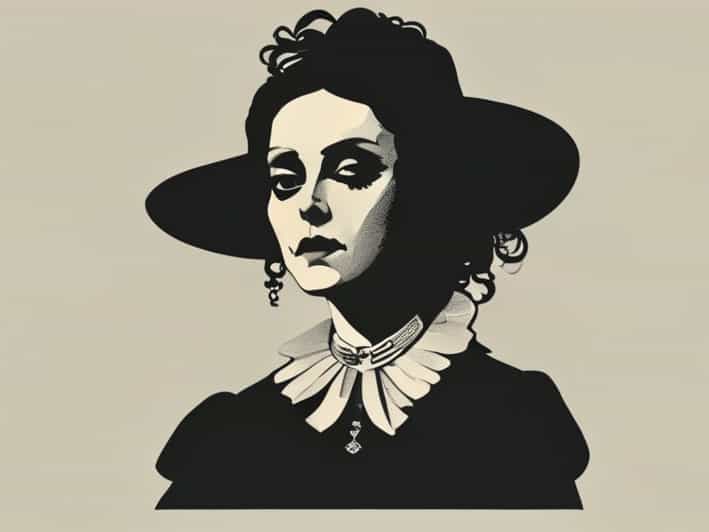
The story of the Madwoman of Locke Street has intrigued residents, historians, and storytellers for generations, blending elements of mystery, tragedy, and local folklore. Situated in an old neighborhood with a mix of historic homes and bustling streets, Locke Street became the backdrop for one of the city’s most enduring tales. The Madwoman, as she was known, was a figure both feared and pitied, whose presence shaped the culture and imagination of the community. Her life and legend offer a fascinating glimpse into societal attitudes toward mental health, isolation, and the way communities preserve stories over time.
Historical Background of Locke Street
Locke Street, with its tree-lined avenues and Victorian-era houses, has long been a notable part of the city’s urban landscape. Originally developed in the late 19th century, the street has witnessed waves of change, including industrial growth, residential shifts, and cultural transformations. During this time, the neighborhood was home to a diverse population, including working-class families, artisans, and merchants. The presence of the Madwoman became an inseparable part of this history, often referenced in local newspapers, personal accounts, and oral traditions.
The Identity of the Madwoman
Little is known about the true identity of the Madwoman of Locke Street. Some accounts suggest she was a woman of middle age who suffered from mental illness, while others claim she was eccentric or misunderstood. Residents described her as wandering the streets, speaking to herself, or appearing at windows of abandoned houses. Despite her erratic behavior, some people recall moments of kindness or insight, indicating that she was a complex figure rather than a one-dimensional stereotype. The mystery surrounding her life contributes to the fascination that continues today.
Legends and Folklore
The Madwoman of Locke Street became the subject of countless stories, each adding layers of intrigue and caution. Folklore depicted her as a ghostly presence who appeared during storms or at night, warning children or delivering cryptic messages. Other tales portrayed her as a symbol of suffering and resilience, highlighting the struggles of those marginalized by society. These legends served not only as entertainment but also as a reflection of the community’s anxieties, social norms, and moral lessons.
Popular Stories
- Stories of her wandering the street at dusk, with a lantern or candle, speaking in riddles.
- Accounts of her interactions with neighborhood children, who were both fascinated and frightened by her.
- Rumors that she possessed knowledge of hidden treasures or secrets in old houses along Locke Street.
- Tales emphasizing her isolation, portraying her as a tragic figure whose life was marked by loss and misunderstanding.
Impact on the Community
The Madwoman of Locke Street had a lasting effect on the neighborhood’s identity. Residents often cited her presence as a reminder of compassion, vigilance, and the importance of community support. Her story influenced local culture, inspiring writers, artists, and educators to reflect on mental health and social exclusion. The tale of the Madwoman also contributed to a sense of shared history among Locke Street residents, connecting generations through storytelling.
Perception and Stigma
The story of the Madwoman also highlights societal attitudes toward mental illness in the past. During her time, there were limited resources or understanding for individuals facing psychological challenges. Instead of receiving care, she was often labeled, ridiculed, or shunned. This reflects broader issues of stigma, illustrating how communities historically responded to behaviors that deviated from social norms. Modern interpretations often emphasize empathy, seeking to understand her experiences rather than simply perpetuating fear or superstition.
Artistic and Literary Influence
The legend of the Madwoman of Locke Street has inspired numerous artistic and literary works. Local writers have included her as a character in short stories, poems, and novels, exploring themes of isolation, mystery, and the human condition. Artists have depicted her in paintings, sketches, and installations, often highlighting the tension between fragility and strength. These creative interpretations ensure that her story continues to resonate with contemporary audiences, blending historical narrative with imaginative exploration.
The Madwoman in Modern Culture
- Local theater productions occasionally recreate episodes of her life, blending history and folklore for educational purposes.
- Community art projects use her figure to discuss mental health awareness and social inclusion.
- Historians and writers analyze her story to reflect on urban change, memory, and the preservation of local legend.
- Her tale has been adapted into modern urban legends, keeping the spirit of Locke Street’s history alive.
Lessons from the Madwoman of Locke Street
The Madwoman’s story serves as a powerful lesson in empathy, historical perspective, and the social treatment of marginalized individuals. It encourages communities to recognize the humanity behind eccentric or challenging behaviors and to reflect on how myths and legends can inform modern understanding of mental health. Her life, whether fully factual or embellished through legend, reminds us that every individual has a story and that compassion can transform perceptions over time.
Community Awareness
Local organizations today use the story of the Madwoman to promote awareness about mental health and social support networks. By studying her life and legend, community members gain insight into the importance of care, understanding, and inclusion. Schools, historical societies, and cultural centers often integrate her story into educational programs, highlighting the value of preserving history while addressing contemporary social challenges.
The Madwoman of Locke Street remains a compelling figure whose story bridges history, legend, and modern interpretation. Her life illustrates the intersection of societal perception, mental health, and community identity, while her legend continues to captivate the imagination of writers, artists, and local residents. Through her story, Locke Street preserves a unique cultural heritage that encourages reflection, empathy, and creativity. The Madwoman’s presence, though rooted in the past, continues to influence the neighborhood, reminding us that legends carry lessons and that every community has stories worth remembering and understanding.