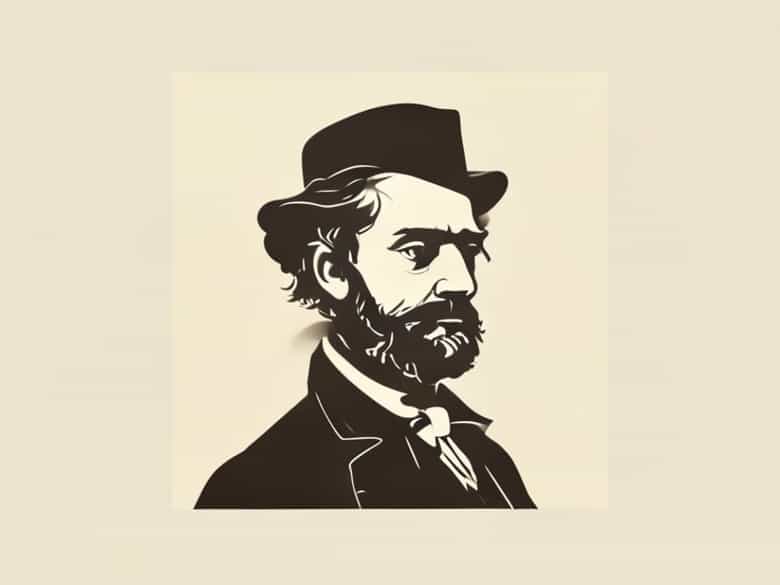
Henry Wadsworth Longfellow was one of the most celebrated American poets of the 19th century, known for his lyrical and narrative poetry that captured the spirit of American life and history. His poems often explored themes of nature, love, morality, heroism, and cultural heritage, resonating with readers both in his time and today. Longfellow’s mastery of rhythm, imagery, and storytelling allowed him to create works that were accessible yet profound, blending European literary traditions with distinctly American themes. His poetry continues to be studied for its stylistic elegance, emotional depth, and historical significance, making him a central figure in American literature.
Life and Influence of Henry Wadsworth Longfellow
Born in Portland, Maine, in 1807, Longfellow grew up in a cultured and intellectually rich environment, fostering his love for literature and language. He attended Bowdoin College and later studied in Europe, where he was influenced by European poets and literary traditions. His exposure to classical and contemporary literature shaped his poetic style, which combined narrative storytelling with lyrical expression. Longfellow later became a professor at Harvard University and eventually devoted himself entirely to writing poetry, gaining national and international recognition for his works.
Themes in Longfellow’s Poetry
Nature and the American Landscape
Longfellow often drew inspiration from nature and the American landscape, using vivid imagery to evoke the beauty and majesty of the natural world. Poems such as The Song of Hiawatha and The Wreck of the Hesperus feature descriptive passages that highlight the power of nature and its impact on human experience. Nature in Longfellow’s poetry is both a source of inspiration and a reflection of moral and spiritual truths, providing readers with a sense of awe, contemplation, and connection to the world around them.
Historical and Cultural Narratives
Longfellow frequently explored historical events, legends, and cultural heritage in his poetry. His epic poem The Song of Hiawatha draws from Native American legends, weaving a narrative that celebrates indigenous culture and mythology. Similarly, poems such as Paul Revere’s Ride depict pivotal moments in American history, emphasizing heroism, civic duty, and national identity. Through these works, Longfellow contributed to a sense of American cultural consciousness, blending storytelling with moral and patriotic themes.
Love, Loss, and Human Emotion
Personal experience and human emotion are central to much of Longfellow’s poetry. He wrote extensively about love, loss, and the human condition, capturing the joys and sorrows of everyday life. Poems like The Cross of Snow reflect his personal grief following the death of his wife, showcasing his ability to transform private suffering into universal artistic expression. Longfellow’s treatment of emotion is often tender and reflective, inviting readers to contemplate the deeper aspects of human experience and morality.
Major Works
Longfellow’s poetry encompasses a wide range of styles and subjects, from epic narratives to lyrical ballads. Some of his most notable works include
The Song of Hiawatha
This epic poem, published in 1855, is one of Longfellow’s most famous works. It is based on Native American legends and tells the story of the hero Hiawatha, exploring themes of love, nature, and cultural tradition. The poem’s rhythmic meter, vivid imagery, and narrative style make it both a literary achievement and a reflection of Longfellow’s interest in cultural preservation and storytelling.
Paul Revere’s Ride
Published in 1860, this narrative poem recounts the famous midnight ride of Paul Revere during the American Revolution. It combines historical detail with dramatic storytelling, emphasizing themes of bravery, civic responsibility, and patriotism. The poem has become an iconic representation of American history and national identity, widely taught and celebrated for its rhythm, clarity, and inspirational message.
Evangeline
Evangeline A Tale of Acadie, published in 1847, tells the story of a young woman separated from her love during the expulsion of the Acadians from Canada. The poem explores themes of perseverance, love, and loss, using Longfellow’s signature lyrical style to create a narrative that is both moving and memorable. Evangeline exemplifies Longfellow’s ability to combine historical events with emotional storytelling, highlighting the resilience of the human spirit.
The Courtship of Miles Standish
This narrative poem, published in 1858, recounts a love triangle among early settlers in Plymouth Colony. Combining humor, romance, and historical context, it reflects Longfellow’s interest in American history and character-driven storytelling. The poem also demonstrates his skill in blending verse with narrative structure, making historical events engaging and relatable to readers.
Style and Literary Techniques
Longfellow’s poetry is known for its accessibility, rhythmic flow, and vivid imagery. He often used consistent meter and rhyme schemes, creating a musical quality that appeals to a wide audience. His narrative poems are characterized by clear storytelling, detailed descriptions, and moral reflection. He also employed symbolism, allegory, and repetition to reinforce themes and evoke emotional resonance. Longfellow’s style combines European literary influence with a distinctly American sensibility, bridging cultural traditions and national identity.
Lyrical and Narrative Balance
Longfellow skillfully balanced lyrical beauty with narrative clarity. Whether exploring historical events or personal emotion, he maintained a rhythm that enhances both the story and the reader’s engagement. His ability to weave moral and philosophical insights into accessible verse contributed to his popularity and enduring influence in American literature.
Use of Imagery and Symbolism
Vivid imagery is central to Longfellow’s poetry, creating strong visual and emotional experiences for readers. Natural elements, historical scenes, and personal experiences are depicted in detail, often serving as symbols for broader themes such as perseverance, morality, and the passage of time. Through imagery, Longfellow connects readers to both the physical and emotional landscapes of his works.
Legacy and Influence
Henry Wadsworth Longfellow’s poetry has left a lasting impact on American literature and culture. He helped shape a distinctly American literary voice, drawing on national history, folklore, and cultural values. His works were widely read and celebrated in his lifetime, making him one of the first American poets to achieve international recognition. Longfellow’s influence extends to later poets and writers who admired his clarity, narrative skill, and moral focus.
Enduring Appeal
- Longfellow’s exploration of universal themes such as love, loss, heroism, and morality ensures that his poetry remains relevant to modern readers.
- His ability to combine lyrical expression with historical and cultural narratives appeals to a broad audience, from casual readers to literary scholars.
- The musical quality of his verse and memorable storytelling make his poems accessible and enjoyable for educational purposes and public readings.
- Longfellow’s emphasis on cultural identity and historical memory continues to inspire discussions about American heritage and literary tradition.
The poems of Henry Wadsworth Longfellow offer a rich tapestry of American history, personal reflection, and lyrical beauty. Through works like The Song of Hiawatha, Paul Revere’s Ride, and Evangeline, Longfellow explored themes of love, loss, heroism, and cultural identity with clarity and emotional depth. His mastery of rhythm, imagery, and narrative structure made his poetry both accessible and profound, resonating with readers across generations. Longfellow’s legacy endures as a central figure in American literature, whose works continue to educate, inspire, and engage audiences with their timeless exploration of human experience, history, and morality.