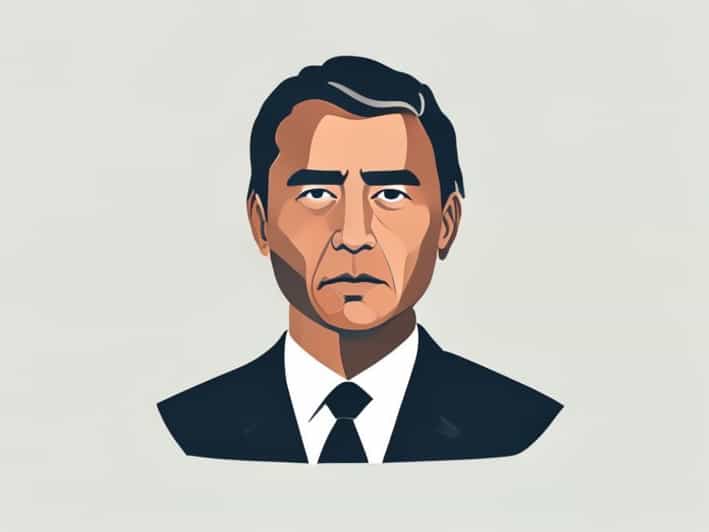
The President of El Salvador serves as the head of state and government in a country known for its vibrant culture, historical significance, and dynamic political landscape. This position carries the highest executive authority in the nation, encompassing responsibilities such as guiding national policy, representing El Salvador on the international stage, and ensuring the enforcement of laws. The office of the president has evolved over the years, reflecting changes in the country’s constitution, political environment, and societal needs. Understanding the role, powers, and current leadership of El Salvador provides insight into how governance functions in this Central American nation and the impact it has on both domestic and international affairs.
Historical Background of the Presidency
The office of the president in El Salvador was established in the 19th century following the country’s independence from Spain and the dissolution of the Federal Republic of Central America. Initially, the role was primarily ceremonial, but over time, it expanded to include significant executive powers. Throughout history, the presidency has been shaped by periods of political instability, military rule, and democratic reforms. The current system is based on the 1983 Constitution, which defines the president as both the chief executive and a symbol of national unity.
Election and Term Limits
The president of El Salvador is elected through a popular vote. According to the constitution, the presidential term is five years. Historically, re-election was prohibited to prevent the concentration of power, but recent reforms have allowed for consecutive terms under certain conditions. The election process is overseen by the Supreme Electoral Tribunal, ensuring transparency and fairness in the democratic process. Voters elect the president based on policies, leadership qualities, and party affiliations, which significantly influence the country’s direction.
Powers and Responsibilities
The president of El Salvador holds extensive powers, which are crucial for maintaining national governance and stability. These powers include
- Appointing and dismissing government ministers and key officials.
- Implementing domestic and foreign policies in line with constitutional mandates.
- Commanding the armed forces and ensuring national security.
- Proposing legislation and using veto powers when necessary.
- Representing El Salvador in diplomatic relations and international organizations.
These responsibilities require balancing domestic needs with international obligations, ensuring economic development, social welfare, and political stability. The president must also coordinate with the legislative and judicial branches to achieve effective governance.
Role in Economic and Social Policy
The president plays a central role in shaping El Salvador’s economic and social policies. This includes strategies for job creation, public investment, education, healthcare, and poverty reduction. Policies implemented by the president impact millions of citizens and can influence regional trade and cooperation within Central America. Presidents often propose economic reforms, infrastructure projects, and social programs to improve living standards and address systemic challenges in areas like employment, housing, and public health.
Current President of El Salvador
As of the latest term, the president of El Salvador is Nayib Bukele, who assumed office with a focus on innovation, security, and economic modernization. Bukele, a former mayor, gained popularity for his unconventional approach to governance and his use of digital platforms to communicate with citizens. His administration has prioritized initiatives such as urban development, public security reforms, and the promotion of technological solutions for government efficiency. Bukele’s leadership style has attracted both national support and international attention, highlighting the evolving nature of El Salvador’s political landscape.
Policies and Initiatives
Under the current presidency, several initiatives have been implemented to strengthen public safety, improve infrastructure, and foster economic growth. Key policies include
- Comprehensive crime reduction programs targeting organized crime and gang activity.
- Investment in urban renewal projects, including transportation, housing, and public spaces.
- Promotion of digital currency adoption, making El Salvador the first country to adopt Bitcoin as legal tender.
- Strengthening social welfare programs to support vulnerable populations, including healthcare and education reforms.
These initiatives illustrate the president’s commitment to modernizing the country while addressing pressing social and economic challenges.
Checks and Balances
The president’s powers are not absolute. The constitution of El Salvador provides a framework of checks and balances to prevent abuse of authority. The Legislative Assembly, the judiciary, and independent institutions oversee and regulate executive actions. For example, laws proposed by the president must be approved by the legislature, and judicial review ensures constitutional compliance. This system maintains accountability and promotes transparency in the administration of government.
Challenges Faced by the Presidency
Leading El Salvador involves navigating complex challenges, including political opposition, economic constraints, and social issues. Crime and public safety remain pressing concerns, while economic development requires careful policy planning and international cooperation. Additionally, the president must manage public perception, media relations, and citizen expectations, balancing short-term results with long-term strategic goals. Effective leadership requires skill, adaptability, and a commitment to democratic principles.
International Role and Diplomacy
The president also represents El Salvador internationally, engaging in diplomacy with other nations and participating in global forums. This role includes negotiating trade agreements, collaborating on regional security initiatives, and promoting El Salvador’s interests abroad. International relations are crucial for foreign investment, development assistance, and political alliances, influencing both domestic prosperity and the country’s global standing.
The president of El Salvador serves as the central figure in the country’s governance, combining executive authority with symbolic leadership. From shaping economic policies to representing the nation internationally, the president’s role is multifaceted and impactful. The office has evolved over time, reflecting democratic principles, constitutional mandates, and societal needs. Understanding the powers, responsibilities, and challenges of the presidency provides valuable insight into El Salvador’s political system and the leadership required to navigate complex national and international issues. As the country continues to develop, the president will remain a key actor in guiding its future trajectory, ensuring stability, progress, and the protection of citizens’ rights.