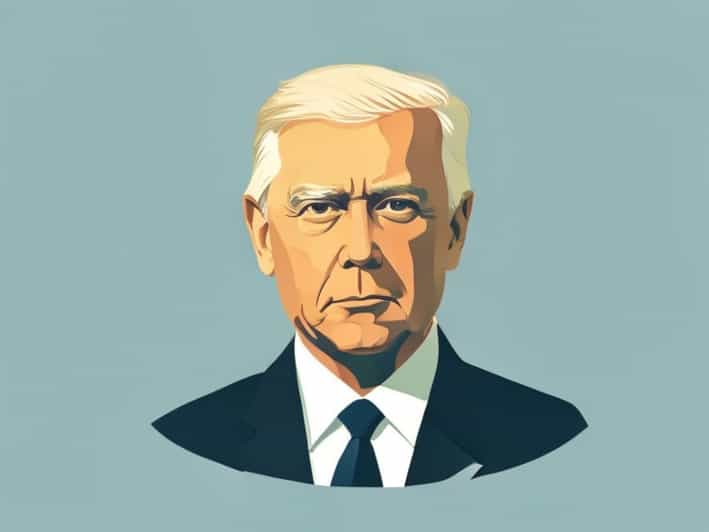
The President of Timor-Leste serves as the head of state and symbolizes the unity and sovereignty of this young and resilient nation. Timor-Leste, also known as East Timor, gained its independence in 2002 after a long and tumultuous struggle for self-determination, emerging from decades of colonial rule and occupation. The role of the president in this context is not only political but also deeply symbolic, representing the aspirations, identity, and stability of the nation. Understanding the powers, responsibilities, and influence of the president provides insight into the political structure and democratic development of Timor-Leste.
Historical Context of the Presidency
Timor-Leste’s presidency was established following the country’s declaration of independence from Indonesia in 2002. The office of the president was designed to ensure a balance of power within a semi-presidential system, where executive authority is shared with the prime minister and the national parliament. The creation of the presidency reflected the need for strong national leadership while protecting democratic principles and preventing authoritarian rule. Since independence, the presidency has played a crucial role in guiding the country through political, social, and economic challenges.
First President of Timor-Leste
Xanana Gusmão, a former revolutionary leader and a central figure in the struggle for independence, became the first president of Timor-Leste. His presidency symbolized the transition from armed resistance to democratic governance. Gusmão’s leadership emphasized reconciliation, institution-building, and the establishment of national identity. He focused on stabilizing the political landscape, fostering unity among diverse ethnic groups, and promoting international recognition of the young nation. His presidency set a precedent for the role and influence of the office in Timor-Leste’s political system.
Powers and Responsibilities of the President
The president of Timor-Leste has a range of constitutional powers and responsibilities designed to ensure governance, national security, and diplomatic representation. The office serves as a check and balance within the government, complementing the work of the prime minister and parliament. The president’s duties include overseeing the armed forces, ratifying legislation, appointing key officials, and representing Timor-Leste in international relations. The presidency is both a political and ceremonial office, bridging the practical aspects of governance with symbolic leadership.
Key Responsibilities
- Appointing the prime minister, ministers, and other senior officials.
- Commanding the defense forces and overseeing national security.
- Ratifying laws passed by the parliament and ensuring their implementation.
- Representing Timor-Leste in diplomatic affairs and international organizations.
- Ensuring the constitution is upheld and protecting democratic institutions.
Election and Term of Office
The president of Timor-Leste is elected by popular vote, reflecting the democratic values established after independence. Presidential elections are conducted every five years, and a president may serve a maximum of two consecutive terms. The electoral process emphasizes transparency, fairness, and the participation of citizens, providing legitimacy to the office. Elections have often been pivotal moments in the country’s political development, signaling shifts in public opinion and influencing national policy priorities.
Electoral Process and Political Influence
The electoral system requires a candidate to secure an absolute majority to win the presidency. If no candidate achieves this in the first round, a runoff election is held between the top two contenders. This system ensures broad support for the elected president and strengthens democratic legitimacy. While the president has significant influence, particularly in foreign affairs and national security, executive power is shared with the prime minister, creating a balance that encourages collaboration and prevents concentration of authority.
Recent Presidents and Political Developments
Since independence, Timor-Leste has seen a succession of presidents who have contributed to the country’s political evolution. Following Xanana Gusmão, José Ramos-Horta, a Nobel Peace Prize laureate, served as president, focusing on peacebuilding, economic development, and international engagement. The presidency has remained a stabilizing force, particularly during periods of political tension or social unrest. Leaders have emphasized national reconciliation, development strategies, and strengthening democratic institutions to ensure long-term stability.
Role in Domestic Politics
- Presidents often mediate political conflicts and encourage dialogue between parties.
- The office provides guidance on national priorities, including education, health, and infrastructure development.
- Presidents may use their platform to advocate for social and economic reforms, reflecting public concerns.
- Leadership in times of crisis, such as natural disasters or political unrest, demonstrates the symbolic and practical importance of the presidency.
International Role and Diplomacy
Timor-Leste’s president plays a crucial role in shaping the country’s international relations. As a small, developing nation, Timor-Leste relies on diplomatic engagement, foreign aid, and participation in regional and global organizations. The president represents the country at the United Nations, ASEAN-related forums, and bilateral meetings with foreign leaders. Through diplomacy, the president seeks to strengthen Timor-Leste’s economic, security, and cultural ties while promoting the nation’s sovereignty and international standing.
Global Influence and Advocacy
- Promoting Timor-Leste’s interests in international trade and economic development.
- Advocating for human rights, peace, and democracy on the global stage.
- Encouraging foreign investment and partnerships to support national growth.
- Building regional alliances to address challenges such as security and environmental concerns.
Challenges Facing the Presidency
The presidency of Timor-Leste faces multiple challenges, including political instability, economic development, and social cohesion. Presidents must navigate complex party dynamics, address public expectations, and manage the pressures of a growing democracy. Corruption, unemployment, and access to education and healthcare remain central concerns that influence presidential priorities. Successfully addressing these challenges requires vision, negotiation skills, and the ability to inspire confidence among citizens and international partners alike.
Future Prospects
Looking forward, the role of the president will continue to evolve as Timor-Leste strengthens its institutions and expands its economy. Future presidents will play a critical role in guiding sustainable development, promoting social equity, and maintaining democratic governance. As the country matures politically, the presidency is expected to balance ceremonial duties with active engagement in policymaking, diplomacy, and national advocacy, ensuring that Timor-Leste remains a stable and respected nation on the global stage.
The president of Timor-Leste holds a unique and multifaceted position, blending symbolic authority with practical governance. From its establishment after independence to the present day, the presidency has been central to shaping the nation’s political landscape, promoting reconciliation, and representing Timor-Leste internationally. Understanding the powers, responsibilities, and challenges of the office offers insight into the development of a young democracy and the enduring importance of leadership in fostering national unity and progress. The president’s role continues to evolve, reflecting the aspirations, resilience, and identity of the Timorese people.