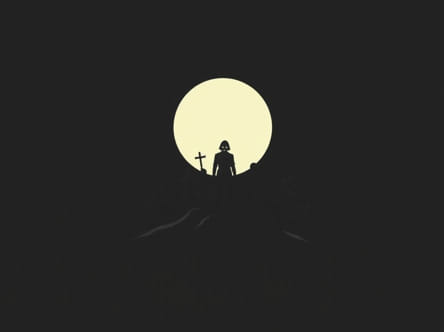
Released in 1985,The Return of the Living Deadcarved its place in horror cinema by blending comedy, punk culture, and a gruesome twist on the zombie genre. Unlike traditional zombie films of the time, this cult classic added a new layer to the undead mythos and delivered unforgettable scenes filled with chaos, gore, and dark humor. For fans of horror movies with a rebellious spirit,The Return of the Living Deadoffers a wild ride that remains both iconic and influential decades after its release.
Origins and Development
The Return of the Living Deadhas a unique production history. While it might appear to be a direct sequel to George A. Romero’sNight of the Living Dead, it’s actually a separate storyline that evolved due to a split in creative rights. John A. Russo, co-writer of Romero’s original film, retained the rights to use the phrase Living Dead, which allowed him to develop his own version of events. The film was eventually written and directed by Dan O’Bannon, who brought a new vision and tone to the undead apocalypse.
O’Bannon’s approach diverged sharply from Romero’s grim and socially conscious horror. Instead, he infused the story with satire, outrageous characters, and a high-energy punk rock aesthetic. The result was a zombie movie that didn’t just scare it entertained on multiple levels.
Plot Summary
Set in Louisville, Kentucky, the film begins at the Uneeda Medical Supply warehouse, where two employees, Frank and Freddy, accidentally release a gas called Trioxin 245. This chemical was supposedly used by the military to contain the zombies from a past incident. When the gas leaks into the air, it reanimates corpses in the nearby cemetery, setting off a night of chaos and carnage.
Freddy’s punk rock friends, who are partying nearby, quickly become entangled in the nightmare. As the dead rise from their graves, the group must fight for survival while grappling with the horrifying reality that these zombies are not slow-moving and mindless they are fast, intelligent, and nearly impossible to kill.
Unique Take on Zombies
One of the defining features ofThe Return of the Living Deadis its redefinition of zombie behavior. Unlike Romero’s traditional slow and shambling undead, the zombies in this film are:
- Fast-moving These zombies can run, making them far more dangerous in a chase.
- Verbal Some of the undead can speak, famously groaning, Brains! to express their hunger.
- Indestructible Destroying the brain doesn’t kill them. Burning the bodies only spreads the gas, worsening the outbreak.
These characteristics gave the film a fresh energy and increased the stakes, offering viewers a zombie threat that felt new and more terrifying. This reinvention became a staple for many zombie films that followed.
Characters and Performances
Clu Gulager as Burt Wilson
Gulager plays the warehouse manager who tries to maintain control amid the disaster. His frantic energy adds to the film’s manic tone, and his attempts to solve the zombie problem highlight the absurdity of the situation.
James Karen as Frank
Frank is the bumbling employee who accidentally unleashes the gas. Karen’s performance is both hilarious and tragic, offering some of the film’s most memorable moments as he descends into panic and despair.
Thom Mathews as Freddy
Freddy serves as the link between the medical supply company and the punk rock group. His transformation throughout the film from a carefree youth to a terrifying undead figure provides emotional weight and a chilling example of how Trioxin affects the living.
Linnea Quigley as Trash
Perhaps the most iconic character in the movie, Trash is a punk girl with a dark fascination with death. Her cemetery dance scene is legendary in horror history, and her transformation into a zombie adds a haunting visual element to the film.
Soundtrack and Style
The film’s punk rock soundtrack plays a crucial role in its identity. Featuring bands like The Cramps, 45 Grave, and TSOL, the music sets the tone for a rebellious, anarchic atmosphere. The soundtrack matches the visual style, filled with gritty set designs, neon lighting, and costumes that scream 1980s subculture.
From the mohawked punks to the industrial warehouse setting, every element reinforces the film’s chaotic energy. This distinct style helped the movie connect with youth audiences of the era and cemented its place in cult film circles.
Impact and Legacy
The Return of the Living Deadwas not just a fun horror flick it had a lasting impact on zombie media. By introducing zombies that were fast, smart, and hard to kill, it challenged existing norms and pushed the genre in new directions. Films like28 Days Laterand theDawn of the Deadremake owe some of their DNA to the innovations introduced here.
Moreover, the film helped popularize the idea that zombies eat brains a trope that has now become synonymous with the genre. While earlier films showed the undead consuming flesh in general, this movie made brains their primary craving, even adding a bit of twisted logic by suggesting the undead eat brains to relieve their pain.
Sequels and Franchise
Due to its success,The Return of the Living Deadspawned several sequels. While none matched the originality and energy of the first, they helped expand the lore:
- Return of the Living Dead Part II (1988) A lighter, more comedic sequel that reuses some of the same actors in different roles.
- Return of the Living Dead 3 (1993) A darker, romantic take on the zombie myth, with a cult following of its own.
- Later sequels Parts 4 and 5, released in the 2000s, were less well received but kept the franchise alive among dedicated fans.
The Return of the Living Deadis a shining example of how horror can evolve while still entertaining its audience. With its unique spin on zombies, unforgettable characters, and punk rock attitude, it stands as one of the most influential horror-comedy hybrids ever made. Its bold stylistic choices and energetic pacing make it a must-watch for horror fans, and its cultural impact continues to be felt in today’s zombie media. For those exploring classic horror or seeking a wild, bloody, and darkly humorous ride, this film remains a true genre-defining masterpiece.