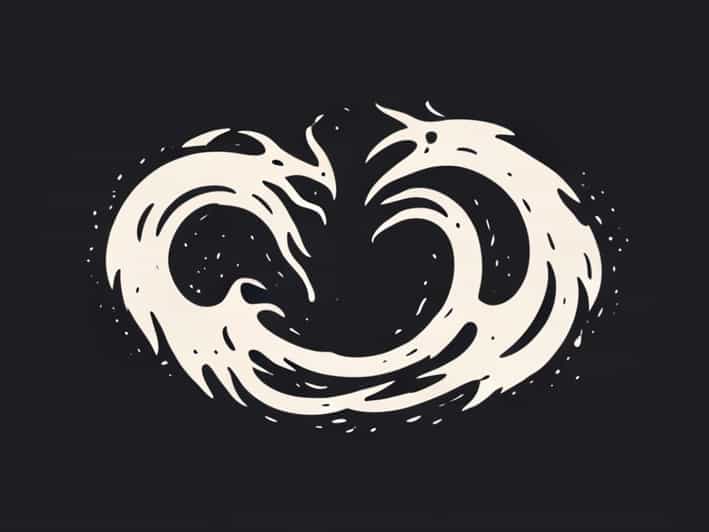
The Scylla and Charybdis is a tale from Greek mythology that highlights the perils of navigating between two dangerous forces. It has been immortalized in literature, particularly in Homer’s Odyssey, where the hero Odysseus must guide his ship through a narrow strait flanked by these two deadly threats. The story is rich with symbolism and offers lessons about caution, strategy, and the consequences of difficult choices. This narrative has fascinated readers for centuries due to its vivid imagery, suspenseful tension, and the moral and philosophical undertones that underline human decision-making in the face of danger.
Overview of the Story
The tale of Scylla and Charybdis is set in a narrow strait that represents a dangerous passage where sailors must navigate carefully to survive. On one side lies Scylla, a monstrous creature with multiple heads that snatches sailors from ships. On the other side is Charybdis, a massive whirlpool that threatens to swallow entire vessels. The story is a classic example of a dilemma in which there is no safe option, only the choice of a lesser evil, illustrating the difficult decisions humans face when confronted with unavoidable risks.
Origins and Mythological Context
Scylla and Charybdis are rooted in ancient Greek mythology, with references appearing in various literary works, most notably Homer’s Odyssey. Scylla was said to have once been a beautiful nymph transformed into a monster due to a curse, while Charybdis was originally a sea goddess who was punished by Zeus and turned into a destructive whirlpool. These mythological origins add depth to the story, giving the dangers a sense of inevitability and divine influence. Sailors’ encounters with these forces symbolize human vulnerability and the challenges of navigating the natural and supernatural world.
Detailed Summary
The narrative begins with Odysseus and his crew approaching the perilous strait between Scylla and Charybdis. The tension builds as they must choose a course that minimizes risk while accepting the potential for loss. The story emphasizes the hero’s leadership, judgment, and courage in confronting threats that seem insurmountable. Homer presents this journey as both a literal and metaphorical struggle, reflecting the broader challenges of life where every decision carries consequences.
Scylla The Monster on One Side
Scylla is depicted as a terrifying sea creature with multiple heads, each capable of snatching sailors from passing ships. Her lair is along the cliffside of the strait, making it impossible for sailors to avoid her entirely. The imagery associated with Scylla evokes fear and awe, emphasizing the relentless nature of the danger she represents. Odysseus is advised to sail closer to Scylla rather than Charybdis, accepting the loss of a few men to preserve the majority of his crew. This decision underscores the theme of choosing the lesser evil and exercising difficult judgment under pressure.
Charybdis The Whirlpool on the Other Side
Charybdis, in contrast, represents an overwhelming and indiscriminate force of nature. As a whirlpool, she threatens to engulf entire ships, leaving no chance of survival for those caught in her grasp. The danger of Charybdis is immediate and total, making her a symbol of catastrophic risk. By steering closer to Scylla, Odysseus mitigates the risk of complete destruction but must accept the inevitable sacrifice of some of his men. The interplay between these two threats illustrates the concept of trade-offs and the harsh realities of strategic decision-making.
Thematic Analysis
The story of Scylla and Charybdis carries several enduring themes, including human vulnerability, leadership, decision-making under pressure, and the inevitability of risk. Homer uses the narrow strait as a metaphor for life’s challenges, where individuals must navigate between competing dangers and accept the consequences of their choices. The narrative demonstrates the importance of wisdom, courage, and prioritization in managing threats that cannot be entirely avoided.
Human Vulnerability and Mortality
The constant threat posed by Scylla and Charybdis highlights human fragility in the face of uncontrollable forces. Despite Odysseus’ skill and courage, he cannot prevent all losses, underscoring the limitations of human power. The story conveys that some dangers are unavoidable, and survival often requires compromise and resilience. This theme resonates with readers as a reflection of real-life challenges where complete control is impossible.
Leadership and Decision-Making
Odysseus’ role as a leader is central to the narrative. His ability to make difficult choices, even when all options carry risks, demonstrates the qualities of effective leadership. By choosing to sail closer to Scylla, he minimizes total loss, showing foresight and strategic thinking. The story illustrates that leadership often involves making decisions that may be unpopular or difficult but are necessary for the greater good.
The Dilemma of the Lesser Evil
The encounter with Scylla and Charybdis exemplifies the ethical and strategic concept of the lesser evil. Odysseus must accept partial loss to prevent complete catastrophe. This moral dilemma encourages readers to consider the complexity of real-world decision-making, where ideal solutions are rarely available, and sacrifices are sometimes necessary. The story serves as a metaphor for navigating difficult situations in life, emphasizing prudence, judgment, and moral responsibility.
Symbolism and Literary Significance
The narrow strait between Scylla and Charybdis symbolizes the challenging choices humans face in life. Scylla and Charybdis themselves represent opposing forces of danger one that takes a manageable but unavoidable toll, and one that threatens total destruction. This symbolism has been widely analyzed in literary and philosophical contexts, highlighting the story’s relevance beyond its mythological origins. It continues to inspire writers, artists, and thinkers exploring themes of risk, strategy, and human resilience.
Impact on Literature and Culture
The story has had a lasting impact on literature, often serving as a metaphor for navigating difficult situations. Expressions such as between Scylla and Charybdis or between a rock and a hard place have entered common usage, illustrating the story’s cultural influence. Authors, poets, and philosophers have drawn on the tale to explore dilemmas where every choice involves risk, emphasizing the universality and enduring relevance of Homer’s narrative.
The Scylla and Charybdis story remains a timeless tale of danger, decision-making, and the complexities of human choice. Through Homer’s vivid narrative, readers experience the tension, fear, and moral challenges faced by Odysseus and his crew. The story’s themes of human vulnerability, leadership, strategic thinking, and navigating between unavoidable dangers continue to resonate in literature, philosophy, and everyday life. By presenting the strait as both a literal and metaphorical journey, Homer provides a powerful reflection on the challenges and responsibilities inherent in making difficult decisions.