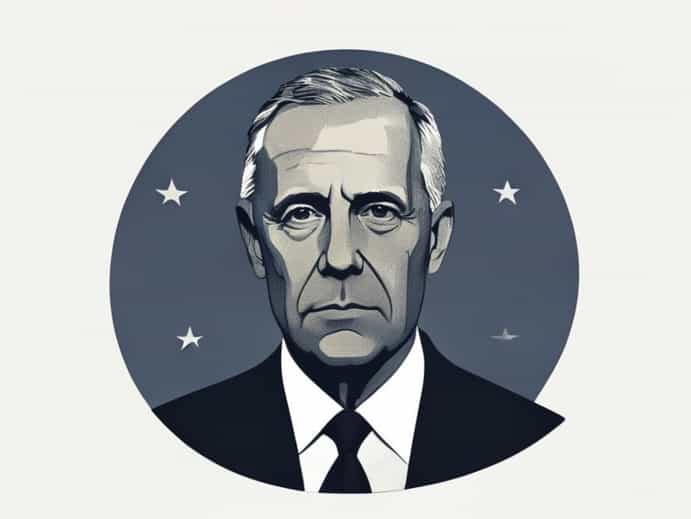
Malcolm Wallop was a prominent figure in American politics, best known for serving as a U.S. Senator from Wyoming for several terms. His career combined a deep commitment to conservative principles with a focus on national defense, fiscal responsibility, and rural issues that mattered to his constituents. Wallop’s influence extended beyond Wyoming, as his legislative efforts shaped policy in areas such as military strategy, energy development, and education reform. His life and career represent a significant chapter in late 20th-century American political history and offer insight into the role of the U.S. Senate in addressing national challenges.
Early Life and Background
Malcolm Wallop was born into a ranching family, which shaped his values and political perspective. Growing up in Wyoming gave him a firsthand understanding of agricultural issues, land use policies, and the unique challenges faced by rural communities. This background would later influence his legislative priorities as a senator. He pursued higher education before returning to Wyoming, where he became involved in ranching and public service. His experience as a rancher gave him a practical understanding of economic pressures and government regulations affecting small businesses and agriculture.
Entry into Politics
Before becoming a U.S. Senator, Wallop served in the Wyoming state legislature. These early political experiences provided him with insight into how laws affect local communities and prepared him for the complexities of national governance. His commitment to representing Wyoming’s interests and his ability to communicate with voters helped him win his Senate seat in the late 1970s.
Career in the U.S. Senate
Malcolm Wallop served as a U.S. Senator for several terms, building a reputation as a strong conservative voice. He focused on issues such as reducing federal spending, supporting military readiness, and advocating for policies that would benefit rural America. His work on national security legislation made him a respected figure on defense issues. Wallop also worked to ensure that Wyoming’s natural resources were used responsibly and that federal land policies considered the needs of local communities.
National Defense and Foreign Policy
One of Wallop’s major areas of influence was national defense. He was an outspoken advocate for strengthening America’s military capabilities during the Cold War era. He supported missile defense programs and believed in maintaining a strong deterrent against foreign adversaries. His efforts contributed to key defense initiatives that shaped U.S. strategy in the 1980s. Wallop’s approach to foreign policy emphasized peace through strength, a position that aligned with the broader conservative movement of the time.
Economic and Fiscal Policy
Wallop was also committed to reducing the size and scope of the federal government. He supported tax cuts and measures designed to give individuals and businesses more economic freedom. His focus on fiscal responsibility made him a critic of excessive government spending, and he worked to promote balanced budgets and efficient use of taxpayer money.
Advocacy for Wyoming
Representing a state with a small population but vast natural resources, Wallop was a strong advocate for energy development and rural issues. He worked to ensure that Wyoming’s coal, oil, and natural gas industries could thrive while balancing environmental concerns. Wallop also supported legislation that would help ranchers, farmers, and small business owners succeed in a competitive economy.
Focus on Education and Culture
While known primarily for his work on defense and economic issues, Wallop also took an interest in education reform and cultural policy. He supported initiatives that encouraged local control over schools and opposed federal overreach in education. His belief in preserving American traditions and values shaped many of his cultural policy positions.
Key Legislative Achievements
Throughout his Senate career, Wallop sponsored and co-sponsored important legislation that reflected his priorities. Some of his key achievements included
- Promoting missile defense initiatives to protect the United States during the Cold War.
- Advocating for energy development policies that benefited Wyoming’s economy.
- Supporting tax reform measures designed to encourage economic growth.
- Working on legislation to protect property rights and reduce unnecessary federal regulations.
Relationship with Constituents
Wallop was known for maintaining close ties with Wyoming voters. He frequently traveled back to the state, held town halls, and listened to the concerns of his constituents. This connection helped him maintain strong support during his years in office and allowed him to represent Wyoming effectively on the national stage.
Role in Conservative Movement
As a senator, Wallop was part of the broader conservative resurgence that gained momentum in the late 20th century. He worked alongside other conservative leaders to promote limited government, strong defense, and free-market policies. His contributions helped shape the direction of the Republican Party during a critical period in American political history.
Legacy and Impact
Malcolm Wallop’s legacy continues to influence American politics today. His work on national defense contributed to the eventual end of the Cold War, and his support for economic freedom remains relevant in discussions about the proper role of government. For Wyoming, Wallop is remembered as a senator who put the state’s interests first and helped ensure its voice was heard in Washington.
Lessons from His Career
Wallop’s career offers several lessons for modern policymakers and citizens alike
- The importance of balancing national priorities with the needs of local communities.
- The value of maintaining a strong national defense to deter threats.
- The need for fiscal responsibility and efficient use of government resources.
- The role of personal connection between elected officials and their constituents.
U.S. Senator Malcolm Wallop was a significant figure in American political history, remembered for his leadership on defense, economic, and rural issues. His career reflects the responsibilities of a senator to balance state and national interests while staying true to core principles. Wallop’s influence on defense policy, fiscal conservatism, and energy development left a lasting mark on both Wyoming and the nation. His life story serves as a reminder of the impact that dedicated public service can have on shaping the future of a country.