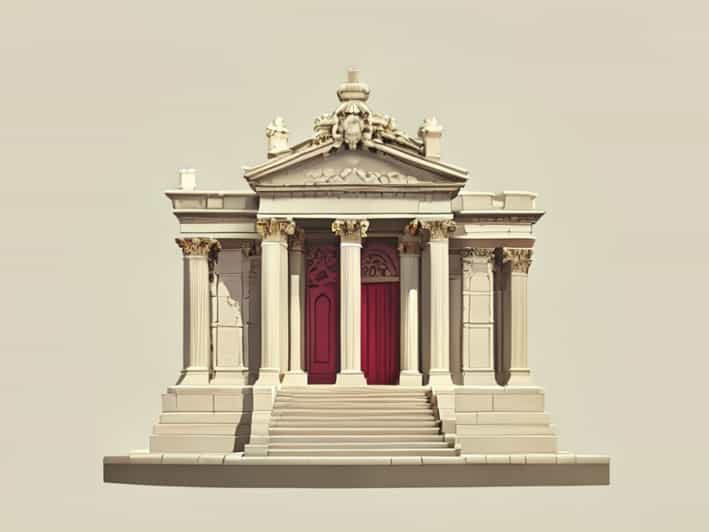
The United Kingdom is home to many historic and culturally significant sites, but few are as intriguing and steeped in royal heritage as the Royal Mausoleum. This majestic site captures the attention of historians, tourists, and puzzle enthusiasts alike, including those who enjoy games like CodyCross, where its name often appears as a clue. Located in the serene surroundings of Frogmore Estate in Windsor, the Royal Mausoleum is renowned for its architectural beauty, historical importance, and its connection to British royalty. Understanding the background, design, and significance of this site provides a deeper appreciation of the United Kingdom’s royal history and cultural heritage.
Location and Historical Background
The Royal Mausoleum is situated within the Frogmore Estate, near Windsor Castle in Berkshire, England. This estate has been associated with the British royal family for centuries and offers a peaceful setting of landscaped gardens and historical buildings. The mausoleum itself was commissioned in the 19th century by Queen Victoria in memory of her beloved husband, Prince Albert. Its creation was both a tribute to love and a testament to the Victorian era’s fascination with elaborate funerary architecture.
The Commissioning of the Mausoleum
After the death of Prince Albert in 1861, Queen Victoria was deeply grief-stricken. She sought to create a fitting memorial to her late husband that would reflect their enduring bond. The Royal Mausoleum was designed to serve as a permanent resting place for Prince Albert and, eventually, Queen Victoria herself. The project not only commemorated Prince Albert’s contributions to British society but also symbolized the queen’s profound personal loss and devotion.
- Commissioned by Queen Victoria in 1861
- Built in memory of Prince Albert
- Located within the private Frogmore Estate
- Reflects Victorian funerary traditions and architecture
Architectural Significance
The Royal Mausoleum is a remarkable example of 19th-century architecture, blending elements of Gothic and Italianate design. Its exterior features intricate stonework, decorative arches, and elaborate statues that highlight the attention to detail typical of the period. Inside, the mausoleum is equally impressive, with marble floors, ornate carvings, and a serene atmosphere designed to evoke reflection and reverence. The artistic and architectural details of the mausoleum are a testament to the skill of the architects and craftsmen who brought Queen Victoria’s vision to life.
Design and Interior
The interior of the mausoleum is designed to provide a solemn yet beautiful resting place. The sarcophagi of Queen Victoria and Prince Albert are placed within the building, surrounded by finely carved decorations and symbolic motifs. The design incorporates elements that represent love, mourning, and remembrance, creating an environment that is both dignified and emotionally resonant. Visitors to the site often remark on the combination of grandeur and intimacy within the space, making it a unique historical landmark.
- Marble sarcophagi of Queen Victoria and Prince Albert
- Gothic and Italianate architectural elements
- Symbolic carvings and decorative motifs
- Peaceful and reflective interior atmosphere
Visiting the Royal Mausoleum
Although the Royal Mausoleum is part of the private Frogmore Estate, it is occasionally open to the public during special events or heritage days. Visitors are encouraged to explore the surrounding gardens and view the exterior architecture while learning about the rich history of the royal family. The site provides insight into Victorian values, royal traditions, and the personal stories behind the British monarchy. While direct access to the interior may be limited, the mausoleum remains an iconic symbol of royal commemoration and architectural achievement.
Access and Tourism
Access to the Royal Mausoleum is generally restricted, as it is part of the private estate of the royal family. However, on select heritage days, guided tours and special events allow the public to appreciate the site. These opportunities are valuable for those interested in history, architecture, and the personal stories of Queen Victoria and Prince Albert. Even viewing the mausoleum from the estate’s grounds provides a sense of its grandeur and historical significance.
- Occasionally open during heritage events
- Guided tours provide historical context
- Located within the scenic Frogmore Estate gardens
- Educational value for visitors interested in British royal history
The Royal Mausoleum in Popular Culture
The Royal Mausoleum has also made appearances in popular culture, including games like CodyCross, where it is referenced in trivia or crossword puzzles. Its recognition in such games demonstrates the site’s enduring cultural significance and public fascination with royal history. Players are often challenged to identify the location or the historical figures associated with the mausoleum, highlighting the connection between historical knowledge and entertainment.
References in Games and Education
In CodyCross and similar educational games, the Royal Mausoleum serves as a clue that encourages players to explore historical and geographical knowledge. These games help promote awareness of British heritage and encourage learning through interactive challenges. By engaging with trivia about the mausoleum, players gain insights into its history, architectural features, and the personal stories of the royal family.
- Featured in trivia and crossword puzzles
- Highlights British royal history
- Encourages educational engagement with historical sites
- Connects entertainment with cultural heritage
Historical and Cultural Importance
The Royal Mausoleum is more than a resting place; it is a symbol of Victorian values, royal devotion, and historical memory. It preserves the legacy of Queen Victoria and Prince Albert, reflecting their personal and public contributions. The site also serves as a reminder of the broader cultural practices of memorialization in the 19th century, showcasing the intricate relationship between architecture, history, and personal sentiment.
Legacy of Queen Victoria and Prince Albert
The mausoleum represents the enduring bond between Queen Victoria and Prince Albert, highlighting their mutual dedication to family, society, and governance. Their legacy is embedded in the architecture and symbolism of the site, which continues to inspire historians, architects, and visitors alike. Understanding the mausoleum offers insight into the private lives of the royals and their influence on British culture and heritage.
- Preserves the memory of Queen Victoria and Prince Albert
- Reflects 19th-century memorial practices
- Offers insight into royal personal and public life
- Continues to inspire cultural and historical interest
The Royal Mausoleum at Frogmore Estate is a landmark of architectural beauty, historical significance, and royal devotion. Its connection to Queen Victoria and Prince Albert, along with its presence in cultural references such as CodyCross, makes it a site of enduring interest. Visitors and enthusiasts can appreciate its artistic design, symbolic meaning, and the poignant history it represents. As part of the United Kingdom’s rich heritage, the Royal Mausoleum stands as a testament to love, legacy, and the importance of preserving historical sites for future generations. Whether viewed in person, studied through historical texts, or explored via cultural games, it continues to captivate and educate audiences, ensuring that the story of the Royal Mausoleum remains relevant and celebrated in modern times.