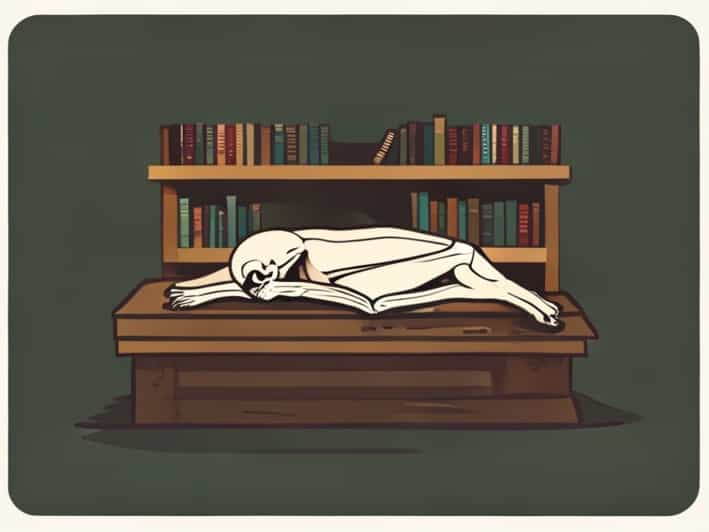
The discovery of a corpse in a library is one of the most compelling settings for a murder mystery, and Un cadaver en la biblioteca captures this intrigue perfectly. The image of a lifeless body among shelves of books immediately evokes curiosity, suspense, and a sense of intellectual irony. Libraries, often seen as places of knowledge and calm, become the stage for a shocking crime, highlighting the contrast between learning and death. Exploring the narrative, characters, and thematic depth of this story reveals why it has captivated readers and inspired adaptations across media, emphasizing the enduring appeal of a well-constructed mystery.
The Concept of a Murder Mystery in a Library
Setting a murder in a library is a classic literary device used to enhance suspense. Libraries are spaces associated with order, silence, and careful study, making the presence of a cadaver disturbingly out of place. This setting forces characters and readers to confront the unexpected within a controlled environment. In Un cadaver en la biblioteca, the juxtaposition of death and intellectual pursuit raises questions about human nature, secrecy, and the hidden dangers that can exist in even the most seemingly safe spaces. The story often uses the library setting to create intricate plots, where every book, shelf, and reading nook can hold clues to the crime.
Characters and Roles
The characters in such a story are typically diverse, each with potential motives and secrets. Common roles include
- The DetectiveA meticulous investigator who examines the scene, questions suspects, and pieces together evidence.
- The VictimThe corpse in the library often has a backstory that connects to other characters, serving as the catalyst for the narrative.
- SuspectsLibrarians, patrons, family members, or colleagues, each with possible motives that create tension and intrigue.
- Supporting CharactersIndividuals who provide clues, red herrings, or insight into the social and psychological dynamics of the library.
The interplay between these characters drives the suspense and keeps readers engaged, as they attempt to solve the mystery alongside the detective.
Plot Structure and Suspense
The plot of Un cadaver en la biblioteca typically follows a structured pattern to maintain tension and intrigue. The narrative often begins with the shocking discovery of the body, followed by the investigation, the collection of clues, and a series of twists that mislead the reader. Red herrings and hidden motives are common, challenging readers to question their assumptions. The resolution, where the detective uncovers the murderer, provides both satisfaction and closure, emphasizing the careful construction of narrative suspense.
- IntroductionThe library is established as a place of learning, and the murder disrupts the normal order.
- InvestigationClues are discovered, and suspects are interrogated, revealing hidden relationships and conflicts.
- ClimaxTension peaks as the detective narrows down suspects and confronts the truth.
- ResolutionThe murderer is revealed, motives are explained, and the library returns to its quiet, ordered state.
Thematic Elements
Un cadaver en la biblioteca explores multiple themes beyond the murder itself. These include
- The Contrast Between Knowledge and ViolenceLibraries symbolize learning and wisdom, yet the presence of a corpse underscores human unpredictability and danger.
- Secrets and DeceptionThe story examines how appearances can be deceiving, as characters may hide motives or past actions.
- Justice and MoralityThe detective’s pursuit of truth reflects the broader human desire for justice and ethical resolution.
- The Role of ObservationAttention to detail, both by characters and readers, is essential to unraveling the mystery.
These themes elevate the story from a simple whodunit to a reflection on human behavior, societal norms, and moral responsibility.
Literary Techniques
Authors use various literary techniques to enhance the mystery in Un cadaver en la biblioteca. Suspense is built through pacing, foreshadowing, and careful placement of clues. Dialogue often serves multiple purposes, revealing character traits while simultaneously misleading the reader. Additionally, the library setting allows for rich descriptive passages, creating a sense of atmosphere that enhances tension. By blending descriptive detail with psychological insight, the narrative engages both the intellect and emotions of the reader.
Impact and Influence
The concept of a murder in a library has influenced numerous works in literature, film, and television. It exemplifies how a familiar and structured environment can be transformed into a setting of suspense and horror. Un cadaver en la biblioteca has inspired adaptations, encouraging audiences to explore mysteries in everyday spaces. Its influence is evident in detective novels, crime dramas, and educational discussions about narrative structure and thematic development. The story demonstrates the enduring popularity of mysteries set in unique, intellectually charged environments.
Psychological Engagement
One reason for the story’s popularity is the psychological engagement it offers. Readers are invited to analyze clues, consider motives, and predict outcomes. The unusual setting of a library challenges conventional thinking, as the quiet, orderly environment contrasts sharply with the chaos of murder. This tension heightens engagement, requiring careful attention to detail and fostering a sense of intellectual participation. The narrative becomes an interactive experience, where the reader’s curiosity and deductive skills are constantly stimulated.
Un cadaver en la biblioteca remains a compelling example of the murder mystery genre, combining suspense, character complexity, and thematic depth. The library setting, initially a symbol of order and knowledge, becomes a place of intrigue and revelation, challenging both characters and readers to solve the crime. Through well-developed characters, intricate plot structure, and thoughtful literary techniques, the story illustrates the timeless appeal of mysteries that blend intellect, emotion, and human psychology. By exploring the themes, setting, and narrative strategies, readers gain a deeper appreciation for how a seemingly ordinary place can become the stage for extraordinary suspense and drama.