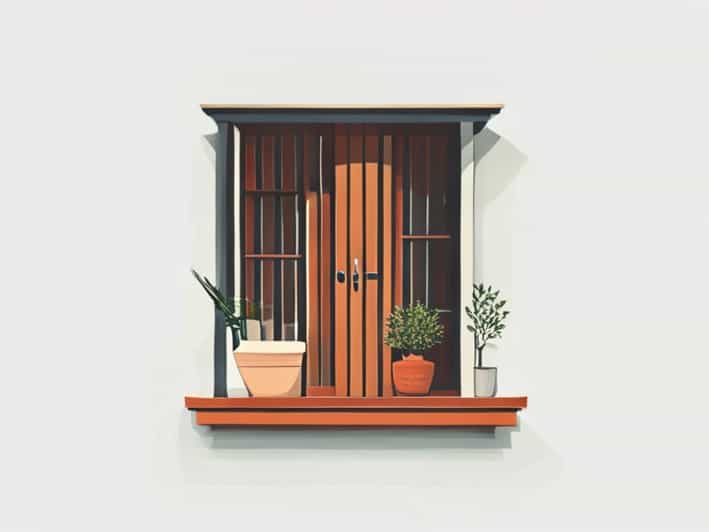
When it comes to apartment living or house design, outdoor extensions such as loggias and balconies often play an important role. They both provide extra space, fresh air, and a connection to the outdoors, yet many people are unsure about their exact differences. While they might appear similar at first glance, the architectural concept and usage of a loggia and a balcony vary significantly. Understanding the unterschied zwischen loggia und balkon is helpful not only for architects and builders but also for property buyers and renters who want to know exactly what type of outdoor area they are getting.
Definition of a Loggia
A loggia is a covered outdoor space that is usually recessed into the main structure of the building. It is often located on the ground floor or incorporated into the building’s façade, creating a semi-outdoor room. Unlike a typical balcony, a loggia has at least one wall on either side and a roof overhead, giving it a sheltered and protected feel. Because of its architectural integration, a loggia feels like an extension of the interior living space, blending indoor comfort with outdoor openness.
Definition of a Balcony
A balcony, on the other hand, is a platform that projects outward from the building’s exterior wall. It is usually smaller than a terrace and does not have walls on the sides. Instead, it is enclosed by railings or balustrades. A balcony is exposed to weather conditions such as rain, wind, and sun, making it less sheltered compared to a loggia. It provides a direct view of the outside and often serves as a spot for enjoying fresh air or a quick break without stepping fully outdoors.
Main Differences Between Loggia and Balcony
The unterschied zwischen loggia und balkon becomes clear when we examine their structural, functional, and design characteristics. Here are the key distinctions
1. Structural Integration
A loggia is recessed into the building’s architecture, making it a part of the main structure. A balcony, however, is usually cantilevered or supported by brackets, projecting outward from the wall. This structural difference impacts both stability and appearance.
2. Protection from Weather
Loggias are covered and shielded by the building, offering better protection from wind, rain, and sun. Balconies remain exposed, which can limit their usability during harsh weather but also makes them ideal for sunbathing or enjoying an open-air experience.
3. Usability
Because loggias are sheltered, they are often usable year-round. They can even be furnished like a small living room or dining area. Balconies are more limited in use, especially in colder climates, though they are great for plants, fresh air, or a quick outdoor retreat.
4. Privacy
Loggias generally offer more privacy since they are recessed and surrounded by walls on at least two sides. Balconies, being exposed, are often visible from outside and neighboring apartments.
5. Aesthetic Impact
A loggia blends into the building’s architectural style and can add elegance to the façade. A balcony, in contrast, often stands out as a protruding feature, giving a lighter and more open look to the exterior.
Advantages of a Loggia
People who prefer sheltered outdoor spaces may find a loggia more appealing. Some advantages include
- Better protection against rain and wind
- Extended usability throughout the year
- Improved privacy compared to balconies
- Can be designed as an outdoor living room or dining space
- Often increases property value due to versatility
Advantages of a Balcony
For those who love fresh air and unobstructed views, balconies provide unique benefits
- Direct exposure to sunlight, ideal for relaxation or gardening
- Architecturally lighter, adding charm to the building exterior
- Often easier to construct compared to a recessed loggia
- Offers a quick connection to the outdoors
- Provides space for flowers, plants, or a small seating area
Historical Perspective
Loggias have a long history in Mediterranean architecture, particularly in Italy, where they were used as shaded gathering places. Famous examples include Renaissance palaces where loggias served both decorative and functional purposes. Balconies, by contrast, became more popular in modern urban housing, where space was limited but residents still desired outdoor access. The unterschied zwischen loggia und balkon also reflects cultural differences loggias emphasize protection and integration, while balconies highlight openness and direct exposure.
Modern Usage
Today, both loggias and balconies remain popular in residential and commercial buildings. In modern apartments, loggias are often used as extended living areas, sometimes even enclosed with glass to create a winter garden. Balconies, however, are seen as essential for city dwellers who want outdoor space despite limited square footage. Developers often highlight whether a property features a loggia or a balcony, as the difference impacts lifestyle and value.
Which One Should You Choose?
Choosing between a loggia and a balcony depends on personal needs, climate, and architectural style. Some key considerations include
- ClimateIn regions with frequent rain or harsh sun, a loggia may be more practical. In sunny climates, a balcony might be preferred.
- PrivacyThose seeking seclusion will likely appreciate the enclosed nature of a loggia.
- Design preferenceA balcony may appeal to people who enjoy open views, while a loggia feels more like an outdoor extension of the home.
- FunctionalityFor outdoor dining or extended living, loggias are more functional, while balconies are better for quick use and decorative appeal.
The unterschied zwischen loggia und balkon lies not only in structure but also in experience. A loggia is an integrated, sheltered space that feels like part of the home, while a balcony is a projecting platform that offers direct outdoor exposure. Both have unique advantages, and the choice often comes down to lifestyle preferences, architectural design, and climate conditions. By understanding these differences, homeowners and renters can make informed decisions and fully enjoy the outdoor extensions their homes provide.